

Have you ever walked into a pharmacy or health store and felt overwhelmed by the hundreds of supplement bottles on the shelves? Vitamins, minerals, protein powders, collagen drinks, fish oil capsules, probiotics, and countless others all claim to improve your health. But do we really need supplements? Are they effective, or are they simply expensive additions to our daily routine?
Today, we’re diving into the world of supplements—what they are, their benefits, their risks, and how to determine whether you actually need them.
WHAT ARE SUPPLEMENTS?
Dietary supplements are products designed to provide nutrients that may be missing or insufficient in a person’s diet. They come in various forms such as capsules, tablets, powders, gummies, liquids, and even energy bars.

Common supplements include:
- Vitamins (Vitamin C, Vitamin D, Vitamin B Complex)
- Minerals (Calcium, Iron, Magnesium, Zinc)
- Protein Supplements
- Fish Oil or Omega-3 Fatty Acids
- Probiotics
- Herbal Supplements
- Collagen Supplements
- Amino Acids and Sports Nutrition Products
The primary goal of supplements is to support overall health, fill nutritional gaps, or address specific health concerns.
WHY DO PEOPLE TAKE SUPPLEMENTS?
People use supplements for different reasons.

Some individuals take supplements to compensate for nutrient deficiencies. Others use them to support athletic performance, improve immunity, enhance skin health, increase energy levels, or manage specific medical conditions.
For example:
- Athletes may use protein powder to support muscle recovery.
- Older adults may take calcium and Vitamin D for bone health.
- Pregnant women are often advised to take folic acid to support fetal development.
- Individuals with iron deficiency anemia may require iron supplements.
In these situations, supplements can play an important role in maintaining health.
CAN SUPPLEMENTS REPLACE A HEALTHY DIET?
The simple answer is no.
Supplements are intended to supplement—not replace—a balanced diet. Whole foods contain a complex combination of nutrients, fiber, antioxidants, and bioactive compounds that work together to promote health.
For example, an orange provides Vitamin C, but it also contains fiber, water, antioxidants, and various phytochemicals that cannot be replicated by a single vitamin tablet.
Health experts consistently recommend obtaining nutrients primarily from food whenever possible.
A diet rich in fruits, vegetables, whole grains, lean proteins, and healthy fats remains the foundation of good health.
COMMON TYPES OF SUPPLEMENTS AND THEIR BENEFITS
1. Multivitamins

Multivitamins contain a combination of vitamins and minerals. They are commonly used as nutritional insurance for individuals who may not consistently meet their daily nutrient requirements.
Potential Benefits:
- Supports overall health
- Helps fill nutritional gaps
- Convenient for busy individuals
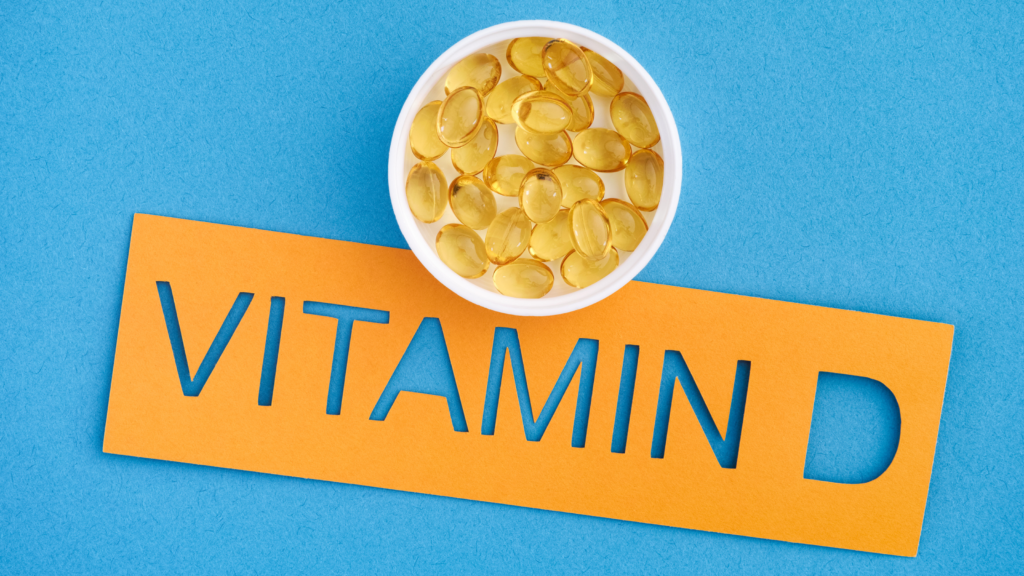
2. Vitamin D
Vitamin D is essential for bone health, immune function, and muscle performance.
Potential Benefits:
- Improves calcium absorption
- Supports immune health
- Promotes strong bones and teeth
People with limited sun exposure may benefit from Vitamin D supplementation.
3. Omega-3 Fish Oil
Omega-3 fatty acids are important for heart, brain, and eye health.

Potential Benefits:
- Supports cardiovascular health
- May reduce inflammation
- Supports cognitive function
4. Protein Supplements
Protein powders are among the most popular supplements, especially among athletes and fitness enthusiasts.

Potential Benefits:
- Supports muscle growth
- Aids recovery after exercise
- Convenient protein source
However, most healthy adults can meet their protein needs through food.
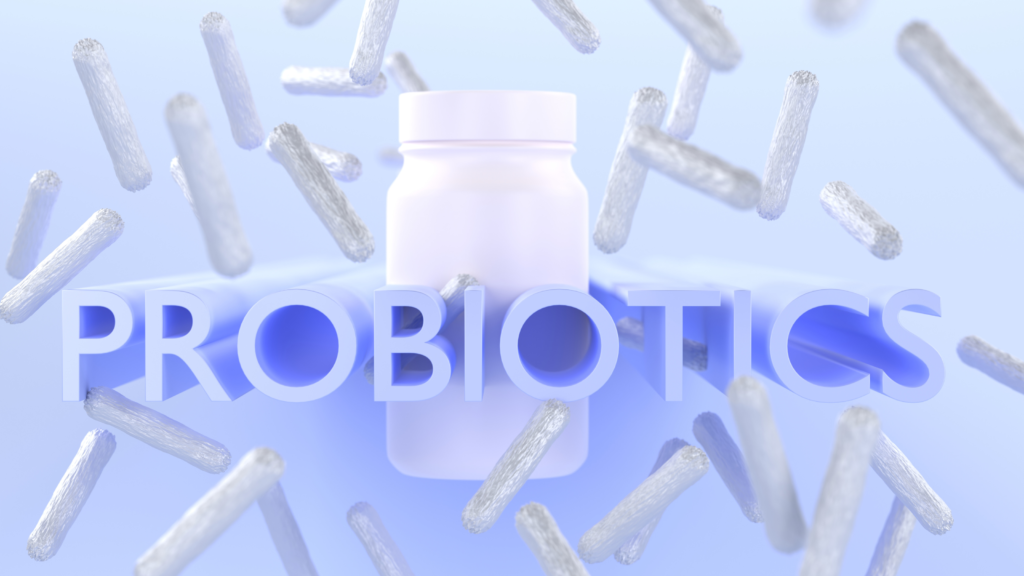
5. Probiotics
Probiotics are beneficial bacteria that support digestive health.
Potential Benefits:
- Promotes healthy gut flora
- May improve digestion
- Supports immune function
Research continues to explore their broader health effects.
6. Collagen Supplements
Collagen has become increasingly popular for skin, hair, nail, and joint health.

Potential Benefits:
- Supports skin elasticity
- May improve joint comfort
- Supports connective tissue health
While some studies show promising results, more research is still needed.
RISKS OF TAKING SUPPLEMENTS
Many people assume that because supplements are marketed as natural, they are automatically safe. Unfortunately, this is not always true.
Potential risks include:
Overdose and Toxicity
Taking excessive amounts of certain vitamins and minerals can be harmful.

Examples:
- Too much Vitamin A can cause liver damage.
- Excessive Iron can be toxic.
- High doses of Vitamin D may lead to calcium buildup.
Drug Interactions
Some supplements can interfere with medications.
Examples:
- Vitamin K can affect blood thinners.
- Certain herbal supplements may interact with prescription drugs.
Always consult a healthcare professional if you are taking medications.
False Health Claims
Not all supplement claims are supported by strong scientific evidence.

Consumers should be cautious of products that promise:
- Instant weight loss
- Miracle cures
- Rapid muscle growth
- Disease prevention without scientific support
If it sounds too good to be true, it probably is.
WHO MAY BENEFIT MOST FROM SUPPLEMENTS?
Certain groups may have increased nutritional needs:
- Pregnant and breastfeeding women
- Older adults
- Vegetarians and vegans
- Individuals with food allergies
- Athletes with high training demands
- People with diagnosed nutrient deficiencies
- Individuals with certain medical conditions
For these populations, supplements can provide meaningful health benefits when used appropriately.
HOW TO CHOOSE A QUALITY SUPPLEMENT
Before purchasing a supplement, consider the following:
Check the Label
Look for:
- Active ingredients
- Dosage information
- Expiration date
- Manufacturer details
Research the Brand
Choose reputable companies with strong quality-control practices.
Avoid Mega-Doses
More is not always better. Stick to recommended daily amounts unless advised otherwise by a healthcare provider.
Consult a Professional
Doctors, registered dietitians, and pharmacists can help determine whether a supplement is appropriate for your specific needs.
THE BOTTOM LINE
Supplements can be useful tools for supporting health, correcting deficiencies, and meeting specific nutritional needs. However, they are not magic pills and should never replace a healthy lifestyle.
The best approach remains simple:
- Eat a balanced diet.
- Stay physically active.
- Get adequate sleep.
- Manage stress.
- And use supplements only when necessary and supported by evidence.
Remember: health is built through consistent habits, not through a bottle.
What about you? Do you take supplements regularly? Have they helped improve your health, fitness, or overall well-being?
Share your experiences in the comments below.
If you found this video helpful, don’t forget to like, subscribe, and share it with your friends and family. Stay healthy, stay informed!