

Fashion boutiques occupy an interesting position in American retail. They are smaller than department stores and major fashion chains, yet that smaller scale can become an advantage when the owner understands the local customer.
A successful boutique does not have to compete with a national retailer by carrying thousands of products. It can compete through curation, personal service, local identity, exclusivity and speed. A boutique in Miami can build its assortment around resort wear, dresses and statement accessories, while a store in Colorado can lean toward elevated casualwear, outerwear and lifestyle pieces. A boutique in Texas may find opportunities in Western-inspired fashion, denim and occasion wear, while stores in New York or California can respond faster to emerging streetwear, contemporary and designer trends.
The underlying U.S. market is substantial. Clothing and clothing-accessories store sales reached roughly $319 billion in 2025, while U.S. Census data showed clothing and accessories retail sales in August 2025 running 7.4% above the same month a year earlier.
At the same time, running a physical boutique is not automatically easy. Census research found that employment in brick-and-mortar clothing retail declined between 2017 and 2022 while electronic shopping businesses expanded. This means the modern boutique should no longer think of itself simply as a store. It should operate as a local fashion brand with both a physical and digital storefront.
Here is how I would approach the opportunity.
Why Boutique Fashion Works Differently Across American States
The United States should never be treated as one uniform fashion market.
Climate alone changes demand dramatically.
A customer in South Florida may shop for lightweight dresses, swimwear and vacation clothing almost year-round. In Minnesota, Wisconsin or Massachusetts, seasonal transitions create opportunities in knitwear, jackets, boots and layering pieces. Arizona boutiques must consider extreme heat. California supports everything from luxury fashion to surf-inspired clothing and athleisure. Texas has large metropolitan fashion markets but also a powerful Western and country influence.
Then there are cultural differences.
New York consumers may respond strongly to emerging designers, streetwear and sophisticated work-to-evening clothing. Nashville can support boutiques influenced by music, Western aesthetics and nightlife. Hawaii naturally creates opportunities around resort and tropical fashion. Utah has developed its own strong community of lifestyle, modest-fashion and digitally driven brands.
This localization matters because fashion consumers are becoming increasingly value-conscious. McKinsey’s recent fashion research emphasizes localization, wider price ranges and stronger brand positioning as ways retailers are responding to changing consumer behavior.
For an independent boutique, that suggests an important principle:
Do not stock what America wants. Stock what your specific customer wants.
That customer may be a 27-year-old professional in Austin, a 45-year-old resort visitor in Naples, Florida, or a college student in Boston.
Those are three completely different inventories.
Top 5 Highly Saleable Product Categories for a U.S. Fashion Boutique
There is no universal national ranking of five individual boutique products—the answer changes by state, demographic, season and price point. However, these five categories give a boutique owner a strong commercial foundation.
1. Women’s Dresses and Occasion Wear
For many women’s boutiques, dresses should be one of the first categories evaluated.
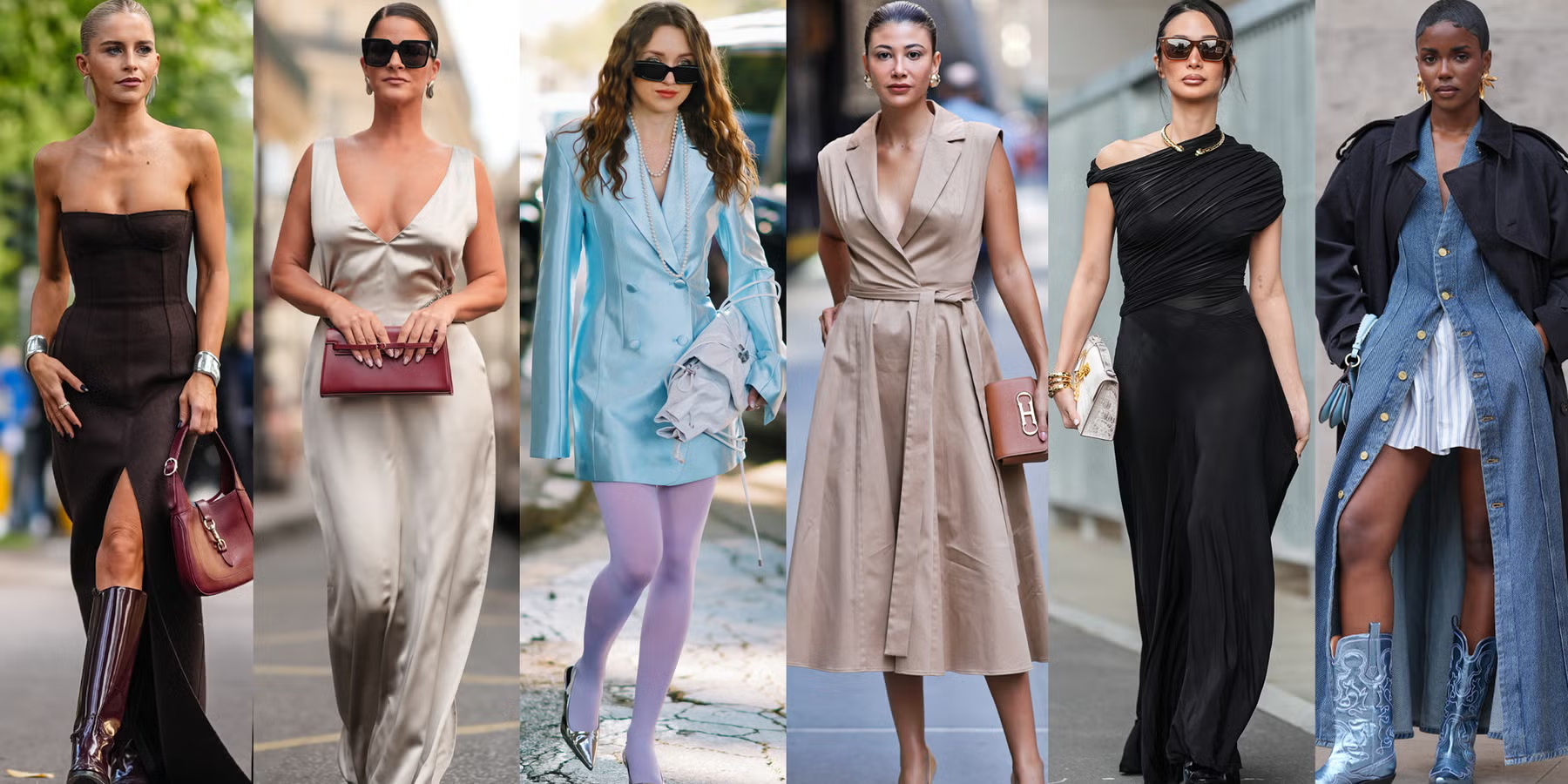
The advantage is the number of occasions that generate purchases: weddings, graduations, birthdays, vacations, date nights, parties, work events, holidays and other celebrations.
Instead of carrying random dresses, divide the assortment according to customer need:
Casual everyday dresses, work-appropriate dresses, cocktail styles, wedding-guest dresses, vacation dresses and premium statement pieces can each serve a different purchasing occasion.
The employee should also understand the customer’s purpose.
Someone who says, “I need a dress for a wedding next weekend,” is giving the salesperson much more information than simply saying she wants a dress. A skilled stylist can ask about venue, time, weather, dress code, preferred fit and budget.
That transforms selling into styling.
2. Denim and Elevated Everyday Basics
Trends change, but customers repeatedly return to pieces they can wear frequently.

That makes denim, fitted tops, shirts, knitwear, trousers, skirts and premium basics commercially valuable.
The opportunity for a boutique is not necessarily selling the cheapest white T-shirt in town. Large retailers will almost always win that battle.
The boutique should offer a better version:
Better fit.
Better fabric.
An unusual cut.
A locally relevant brand.
Limited availability.
Or styling customers cannot easily recreate at a mass retailer.
Current fashion-market research shows consumers continuing to prioritize value, but value does not simply mean “cheap.” Customers increasingly expect a convincing reason for paying a premium.
3. Athleisure, Active-Inspired and Comfortable Lifestyle Clothing
The boundary between athletic and everyday clothing has become increasingly blurred.
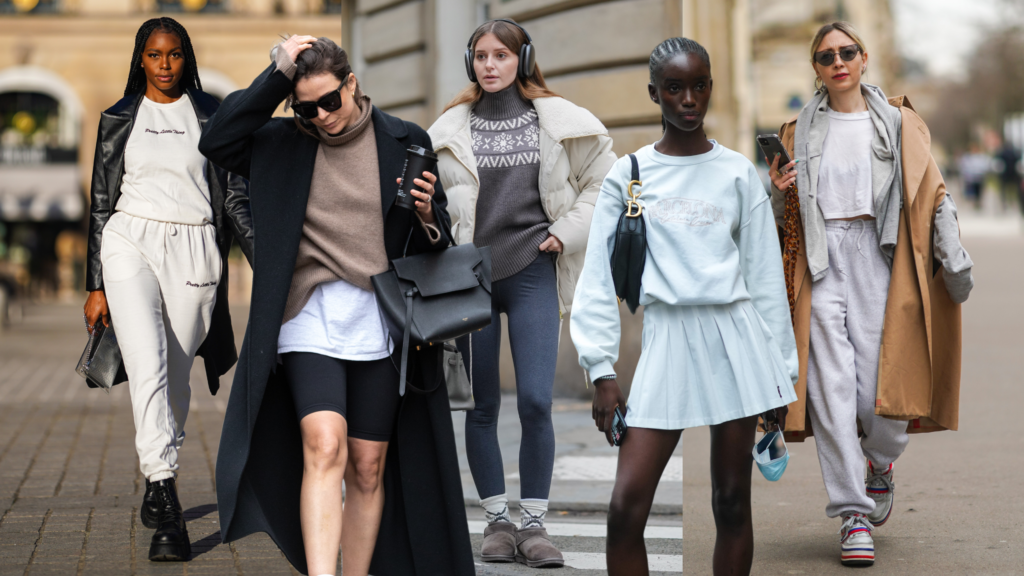
Leggings, coordinated sets, comfortable tops, sweatshirts, elevated joggers, sports-inspired jackets and versatile lifestyle clothing can appeal to customers who move between exercise, errands, travel and casual social activities.
McKinsey identified sportswear as a renewed area of growth, with newer challenger brands helping drive the category.
A boutique should nevertheless avoid becoming a generic activewear store.
Select pieces that fit your identity.
A California boutique might lean into wellness and coastal activewear. A mountain-town boutique might combine performance-inspired products with casual outdoor style. An urban store might carry minimalist athleisure that can transition from daytime to evening.
4. Handbags, Jewelry and Fashion Accessories
Accessories deserve special attention because they can increase the value of a transaction without requiring the customer to buy another complete outfit.

Suppose a customer buys a $120 dress.
Your stylist adds:
a $45 necklace,
a $65 handbag,
and a $30 belt.
The original $120 sale becomes $260.
This is why accessories should not be treated as decoration around the cash register. They should be part of the merchandising and sales strategy.
Handbags are especially interesting because consumers can purchase them without worrying about clothing size. Jewelry, scarves, belts, sunglasses and other accessories can also provide attractive gifting opportunities.
5. Limited, Unique and Resale/Vintage Pieces
One of the strongest opportunities for independent boutiques is selling something customers cannot find everywhere else.
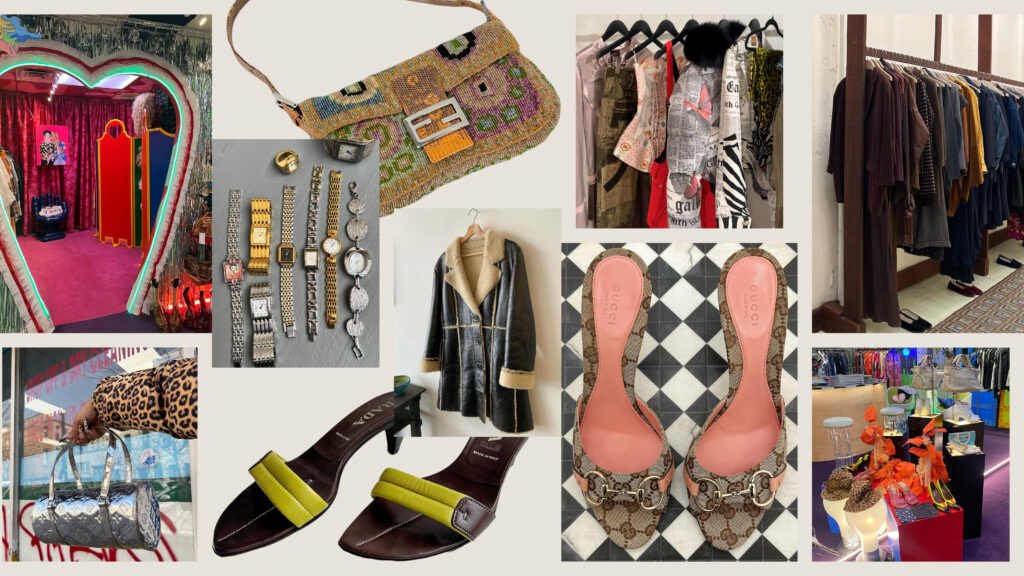
That might mean emerging designers, locally produced products, limited collections, vintage pieces, authenticated resale or exclusive collaborations.
Resale deserves particular attention. McKinsey expects the secondhand fashion and luxury market to grow two to three times faster than the firsthand market through 2027. U.S. consumers are also using resale to discover aspirational brands, while uniqueness and value are important motivations.
A boutique does not necessarily need to become a secondhand store.
You might introduce one curated rail of vintage denim, authenticated designer bags or premium pre-owned accessories.
The objective is differentiation.
What Employees Does a High-Revenue Fashion Boutique Need?
One of the biggest mistakes in boutique management is hiring employees whose only qualification is that they “like fashion.”
Enjoying clothes does not automatically make someone good at retail.

Your employees directly influence conversion rate, average transaction value and repeat purchases.
A strong boutique team should combine sales ability, fashion knowledge, customer service and operational discipline.
The most important frontline position is the sales stylist or client advisor.
This person should understand body shapes, sizing, color combinations, fabrics, occasions and styling. More importantly, the employee needs to listen.
Instead of:
“Can I help you?”
Train the stylist to have genuine conversations.
“What are you shopping for today?”
“What kind of fit do you normally feel comfortable in?”
“Would you like me to find something that works with that skirt?”
The goal is not aggressive upselling. It is solving the customer’s styling problem.
McKinsey’s retail research specifically emphasizes the renewed importance of physical-store experiences and well-trained staff who can assist and inspire shoppers.
As the business grows, I would build a team around five core functions: a boutique/store manager responsible for sales targets and operations; fashion stylists responsible for customer relationships; a visual merchandiser or merchandising-minded employee responsible for presentation; an inventory/e-commerce coordinator responsible for stock accuracy and online orders; and a digital content/community specialist responsible for social media, creator relationships and customer engagement.
In a small boutique, one employee can handle several of these responsibilities. You do not need five separate full-time positions on opening day.
What matters is making sure the functions are covered.
The Marketing Strategy I Would Use for a Fashion Boutique
Boutique marketing should begin before advertising.
The first question is:
Why should someone buy from you instead of a department store, Amazon, a major fashion chain or directly from a brand’s website?
“Because we sell nice clothes” is not enough.
Your boutique needs a clear position.
For example:
Contemporary women’s fashion for professionals who want work-to-weekend outfits under $200.
Or:
Curated Western-inspired fashion for modern Texas women.
Or:
Independent coastal fashion, jewelry and resort wear from emerging designers.
Once the positioning is clear, marketing becomes much easier.
Your physical store should then reinforce that identity through window displays, lighting, fixtures, music, fitting rooms, packaging and employee styling.
Next, build a local community around the store.
Host new-collection evenings, styling appointments, seasonal launches, VIP shopping nights and collaborations with salons, photographers, cafés, fitness studios or other complementary businesses.
Influencer marketing can work particularly well for boutiques, but I would not automatically chase the person with the biggest following. Current fashion marketing is increasingly placing emphasis on niche relevance, engagement quality and authentic creator communities rather than follower count alone.
A local creator with 15,000 genuinely engaged followers in your city could generate more meaningful customers than a national influencer with 500,000 followers who live everywhere.
Measure the results.
Give creators unique discount codes or tracked links.
Then calculate:
Creator cost ÷ customers acquired
and
Revenue generated ÷ campaign cost.
Marketing should eventually become mathematics, not guesswork.
Is Digital Marketing Necessary?
For a modern American fashion boutique, I would consider it essential.

Not every sale has to happen online, but digital channels influence what customers discover before entering a physical store.
McKinsey reported that roughly 70% of fashion transactions and purchases are digitally influenced, while Census data has documented substantial expansion in electronic shopping businesses even as traditional clothing-store employment declined.
Your digital strategy should therefore connect the store and the internet rather than treating them as separate businesses.
Instagram and TikTok can show new arrivals, outfit combinations, employee styling, customer looks and behind-the-scenes content.
Google Business Profile helps people searching locally for boutiques, women’s clothing or fashion stores.
Your website should display products, opening hours, location, returns information and ideally online purchasing or at least inventory discovery.
Email and SMS can be extremely valuable because they let you communicate with existing customers without paying an advertising platform every time you want to reach them.
A customer who has already bought from you is particularly valuable.
Instead of continually paying to acquire strangers, encourage repeat purchases through early access, birthday offers, VIP events, personalized recommendations and new-arrival alerts.
The future is becoming even more digital. Fashion consumers are beginning to use AI tools for product discovery and styling recommendations, while retailers are experimenting with AI-assisted personalization and virtual try-on experiences.
The boutique of the future may still have fitting rooms and human stylists—but the customer’s journey may begin with a search engine, social video or AI assistant.
How to Handle Finance and Accounting Properly
A boutique can look busy and still lose money.

That is why I would separate sales from profit from day one.
Imagine your boutique generates $80,000 in monthly sales.
That sounds impressive.
But now deduct the cost of merchandise, payroll, rent, credit-card processing, insurance, utilities, returns, advertising, software, shipping, packaging, theft, damaged inventory, taxes and markdowns.
What remains is the number that matters.
Start with a dedicated business bank account and a professional accounting system. Do not mix household expenses with boutique expenses.
Every purchase order should be recorded.
Every supplier invoice should be matched.
Every sale should flow through the point-of-sale system.
And physical inventory should regularly be reconciled with recorded inventory.
I would monitor several numbers every week:
Revenue tells you how much you sold.
Gross margin tells you how much remains after merchandise cost.
Average order value shows what the typical customer spends.
Conversion rate measures how many visitors actually purchase.
Inventory turnover tells you whether merchandise is moving.
Sell-through rate tells you how much of a particular product or collection has sold.
Payroll percentage helps control staffing costs.
Marketing return tells you whether advertising produces profitable revenue.
And cash flow tells you whether you can actually pay your bills.
Cash flow is particularly important in fashion because you often pay for inventory before selling it.
Do not make the common mistake of seeing $40,000 in the bank and assuming you have $40,000 available to spend. Part of that cash may be needed for rent, payroll, taxes or the next inventory order.
Inventory is another financial danger.
Too little stock causes lost sales.
Too much stock traps cash.
And fashion inventory becomes increasingly dangerous as the season changes.
A dress that is desirable at full price in May might require a 40% markdown in August.
The owner therefore needs to know when to reorder, when to stop buying and when to mark products down before they become dead inventory.
Work with a qualified bookkeeper or accountant familiar with retail and the tax requirements of the state in which the business operates. Sales-tax obligations and employment requirements can differ by jurisdiction, so accounting should never be treated as an annual tax-season activity.
The Most Important Factors Behind a Successful Fashion Boutique
The first is location, but location now has two meanings.
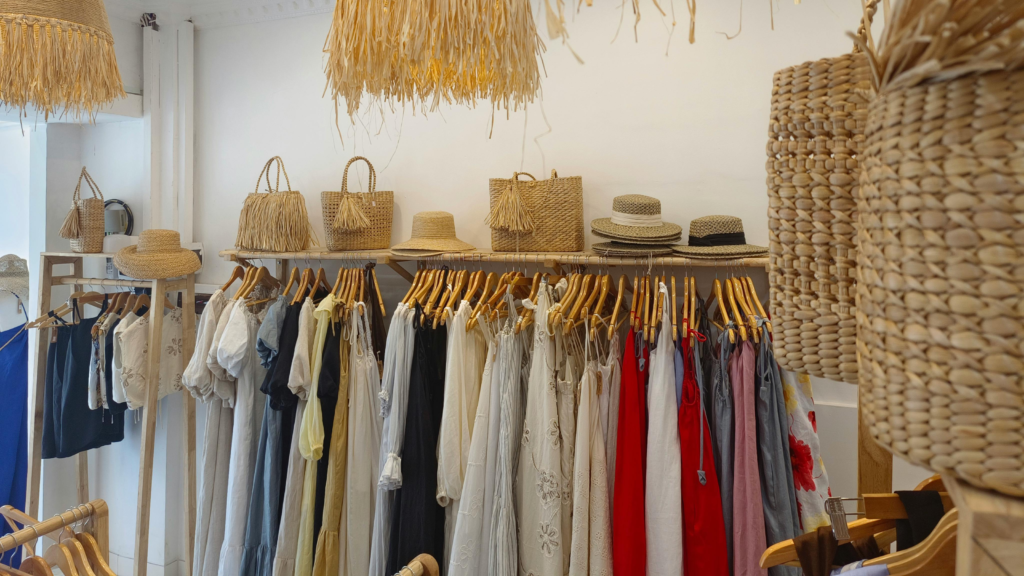
Your physical location needs the right customer traffic, visibility, accessibility and rent economics.
Your digital location means appearing where your customers actually discover fashion.
The second factor is product-market fit.
Do not purchase merchandise simply because you personally like it.
A boutique owner is a curator, but the customer ultimately votes with her wallet.
Track what sells by size, color, price, category and season.
The third factor is inventory discipline.
A small boutique often benefits from buying narrower quantities, testing demand and reordering winners rather than making huge speculative purchases.
The fourth factor is customer experience.
Remember sizes and preferences.
Offer honest recommendations.
Create comfortable fitting rooms.
Make returns straightforward.
Package purchases beautifully.
Send a message when something arrives that genuinely fits a regular customer’s style.
That is where a boutique can defeat a massive retailer.
The fifth factor is a recognizable identity.
If I removed your logo from your Instagram account and store interior, would customers still recognize your boutique?
Your photography, merchandise, styling, packaging and language should all feel connected.
The sixth factor is financial control.
Revenue without margin is vanity.
Inventory without turnover is frozen cash.
Followers without customers are an audience, not necessarily a business.
And advertising without measurement is an expense rather than a strategy.
Finally, remain adaptable.
The fashion industry entering 2026 is dealing with value-conscious shoppers, resale growth, AI-assisted discovery, changing tariffs, operational pressure and stronger demands for differentiated experiences.
A boutique’s small size can actually help.
You can test a new product with 12 units instead of 12,000.
You can introduce a new designer quickly.
You can change a window display tomorrow.
You can personally call your best customers.
You can create content this afternoon about something that began trending this morning.
Large retailers have scale.
Independent boutiques can have speed, personality and relationships.
Turning a Fashion Boutique Into a High-Revenue Brand
The biggest opportunity for American boutique owners is to stop thinking like small shopkeepers and start thinking like specialized fashion retailers and brand builders.
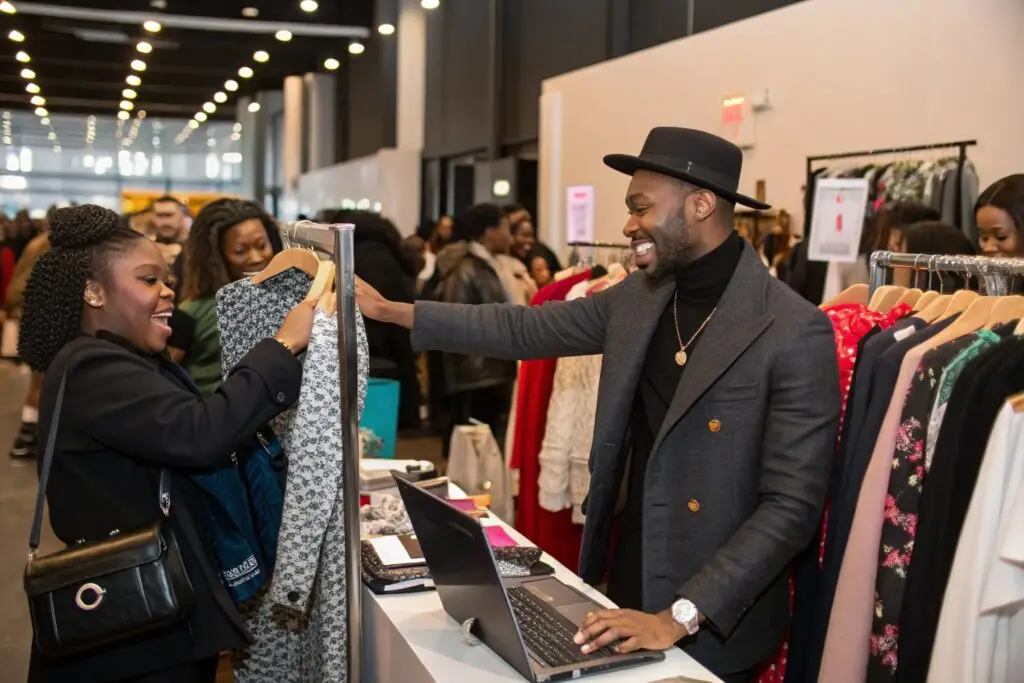
Your physical boutique provides something digital marketplaces struggle to reproduce: touching fabric, trying clothing on, getting immediate styling advice and building a relationship with someone who remembers what you bought last month.
Digital commerce provides what a physical boutique cannot: 24-hour discovery, wider geographic reach, customer data and the ability to continue selling after the store closes.
The strongest business combines both.
Start with a tightly defined customer. Build the inventory around her lifestyle rather than around random fashion trends. Hire people who can style and sell rather than merely operate a cash register. Measure every important financial number. Create a strong digital presence. Develop local relationships. Reward repeat customers. And buy inventory with discipline.
U.S. retail spending is still expected to grow in 2026, with the National Retail Federation forecasting overall retail sales growth of about 4.4% for the year. But growth in the wider market does not guarantee success for an individual boutique.
The boutique that succeeds will be the one that gives customers a clear reason to choose it.
It may be exceptional service.
It may be exclusive products.
It may be local community.
It may be better styling.
Ideally, it will be all four.
That is why fashion boutiques can remain relevant even in an era dominated by huge e-commerce platforms. A good boutique is not trying to offer everything to everybody.
It knows exactly who it serves, what that customer wants and how to make her want to come back.