

 By
By Hair damage is a common concern caused by heat styling, chemical treatments, environmental stress, and improper care routines. Whether dealing with dryness, breakage, or frizz, restoring hair health requires a consistent and informed approach. Understanding how to fix hair begins with identifying the root causes of damage and choosing the right treatments—especially those that include keratin, a key protein that plays a vital role in hair structure.
Understanding Hair Damage
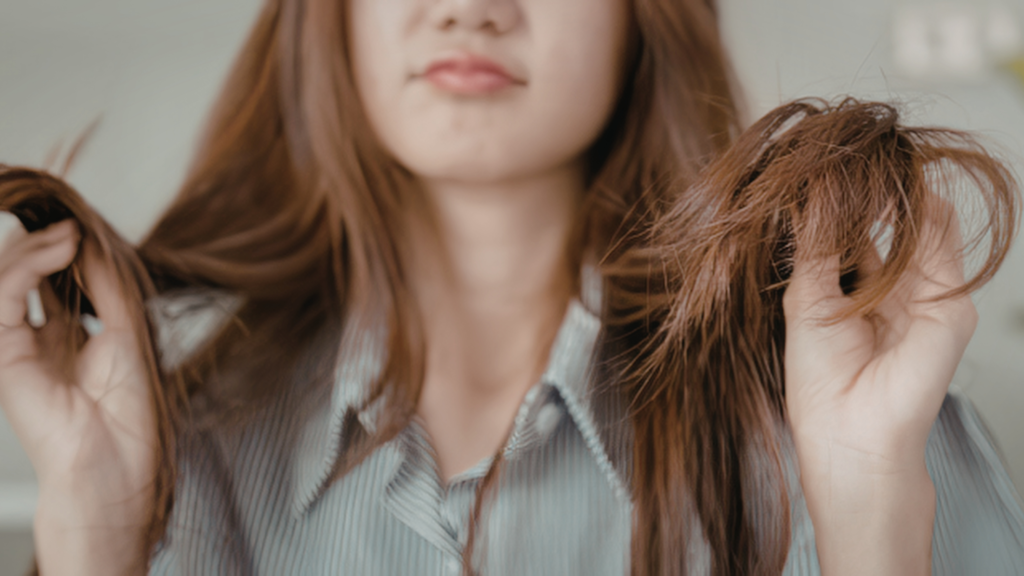
Hair becomes damaged when its outer layer, known as the cuticle, is weakened or stripped away. This leaves strands vulnerable to breakage, split ends, and dullness. Frequent use of flat irons, curling wands, and hair dyes can accelerate this process. In addition, exposure to sun, pollution, and harsh shampoos can further degrade hair quality.
To fix hair effectively, it is essential to shift toward gentle care practices. This includes reducing heat styling, avoiding over-washing, and using products designed to repair and protect. One of the most effective ingredients for this purpose is keratin, which helps rebuild the hair’s natural protein structure.
The Role of Keratin in Hair Repair
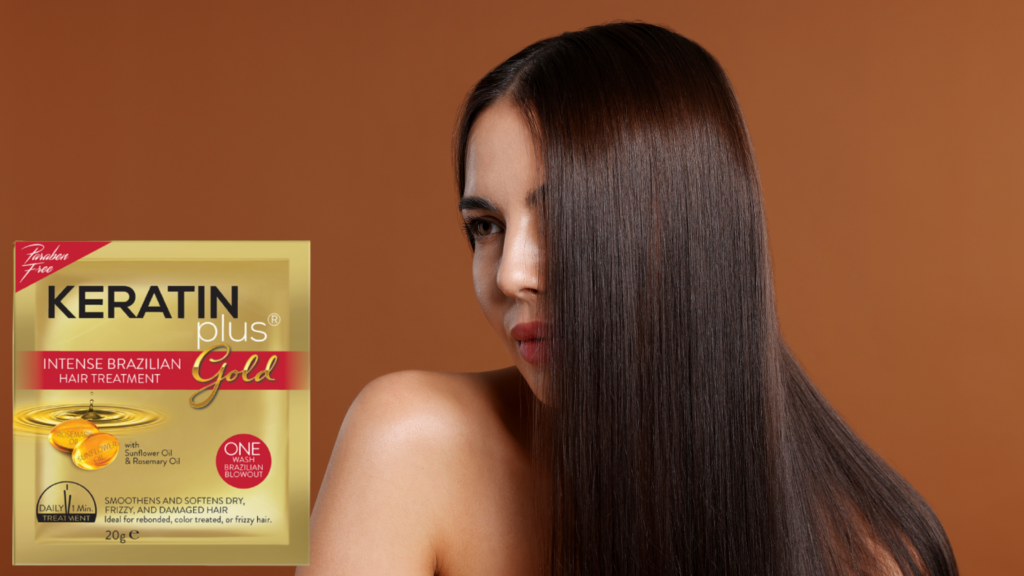
Keratin is a protein naturally found in hair, skin, and nails. It acts as a protective shield, giving hair its strength, elasticity, and smooth texture. When hair becomes damaged, its keratin levels decrease, leading to weak and brittle strands.
Using keratin-infused products can help restore this lost protein. Treatments such as keratin conditioners, masks, and serums work by coating the hair shaft, filling in gaps, and smoothing the cuticle. This results in shinier, stronger, and more manageable hair over time.
Professional keratin treatments are also available and are known for their ability to reduce frizz and improve hair texture. However, even at-home solutions containing keratin can significantly improve hair health when used consistently.
Daily Habits to Fix Hair
Consistency is key when it comes to repairing damaged hair. Incorporating simple daily habits can make a significant difference. First, switching to a sulfate-free shampoo helps prevent further dryness. Following up with a nourishing conditioner enriched with keratin ensures that moisture and protein are replenished.
Limiting heat styling is another crucial step. When styling is necessary, applying a heat protectant can minimize damage. Regular trimming of split ends also helps maintain healthier strands and prevents further breakage.
Deep conditioning treatments once or twice a week can accelerate recovery. Choosing masks that contain keratin and other hydrating ingredients like argan oil or coconut oil can restore softness and shine.
Natural Remedies and Lifestyle Changes
In addition to using the right products, lifestyle choices also impact hair health. A balanced diet rich in protein, vitamins, and minerals supports hair growth and repair. Foods like eggs, fish, nuts, and leafy greens provide nutrients that help maintain strong hair.
Natural oils such as coconut oil, argan oil, and castor oil can also be used to nourish and protect hair. These oils help seal in moisture and complement the effects of keratin treatments. Staying hydrated and managing stress are equally important, as both play a role in maintaining healthy hair.
Long-Term Hair Care Strategy
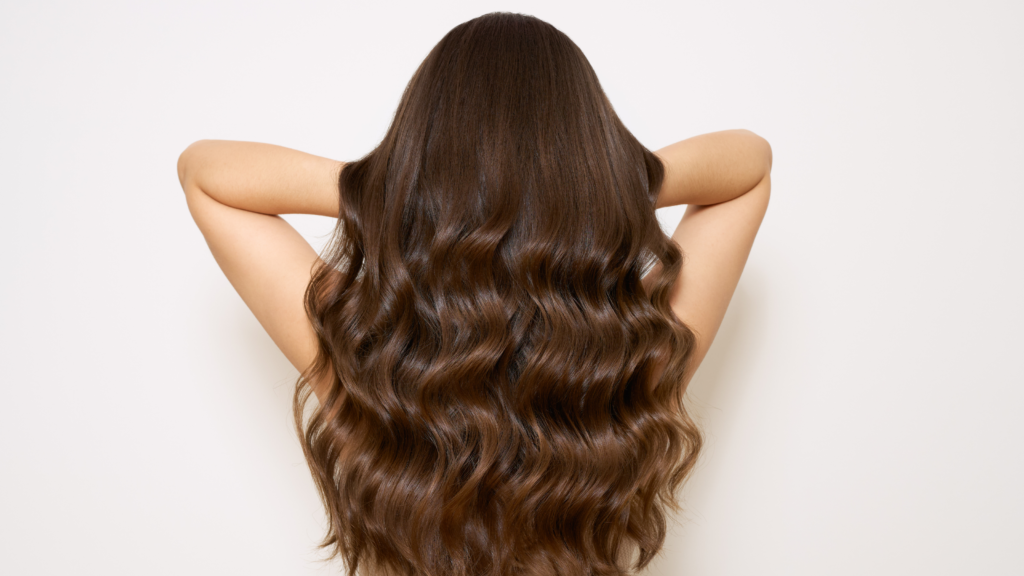
Fixing hair is not an overnight process—it requires patience and a long-term commitment. Building a routine that includes keratin-based products, gentle handling, and proper nutrition will gradually restore hair strength and vitality.
Avoiding harsh treatments and protecting hair from environmental damage will help maintain results. Over time, hair will become smoother, shinier, and more resilient.
By understanding the importance of keratin and adopting consistent care practices, anyone can repair damage and achieve healthier, more beautiful hair.