

 By
By Manolo Blahnik, a shoe designer, made a catastrophic error in 1971. He made shoes for a fashion show in London but failed to put steel pins in the heels. Because of this, the models had trouble walking down the runway. Blahnik thought his job was done. But the media liked it. One well-known photographer even suggested it was “a new way of walking.” A big new show in Scotland is now showing off those green suede shoes.
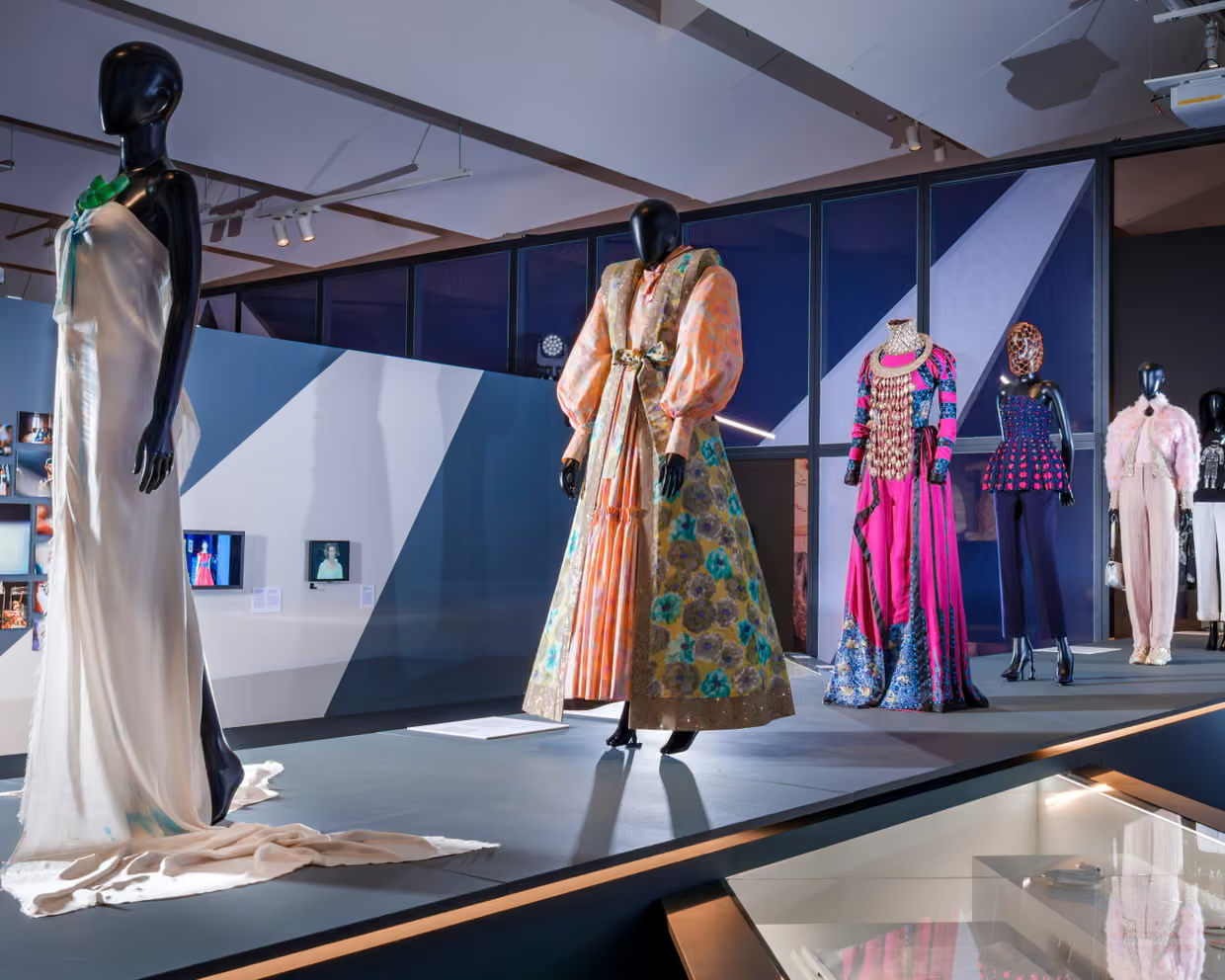
The name of the show is Catwalk: The Art of the Fashion Show. It is presently open at the V&A Dundee in Scotland. The performance explores the story of fashion shows, from the small, private ones of the 1800s to the big, spectacular ones we witness now.
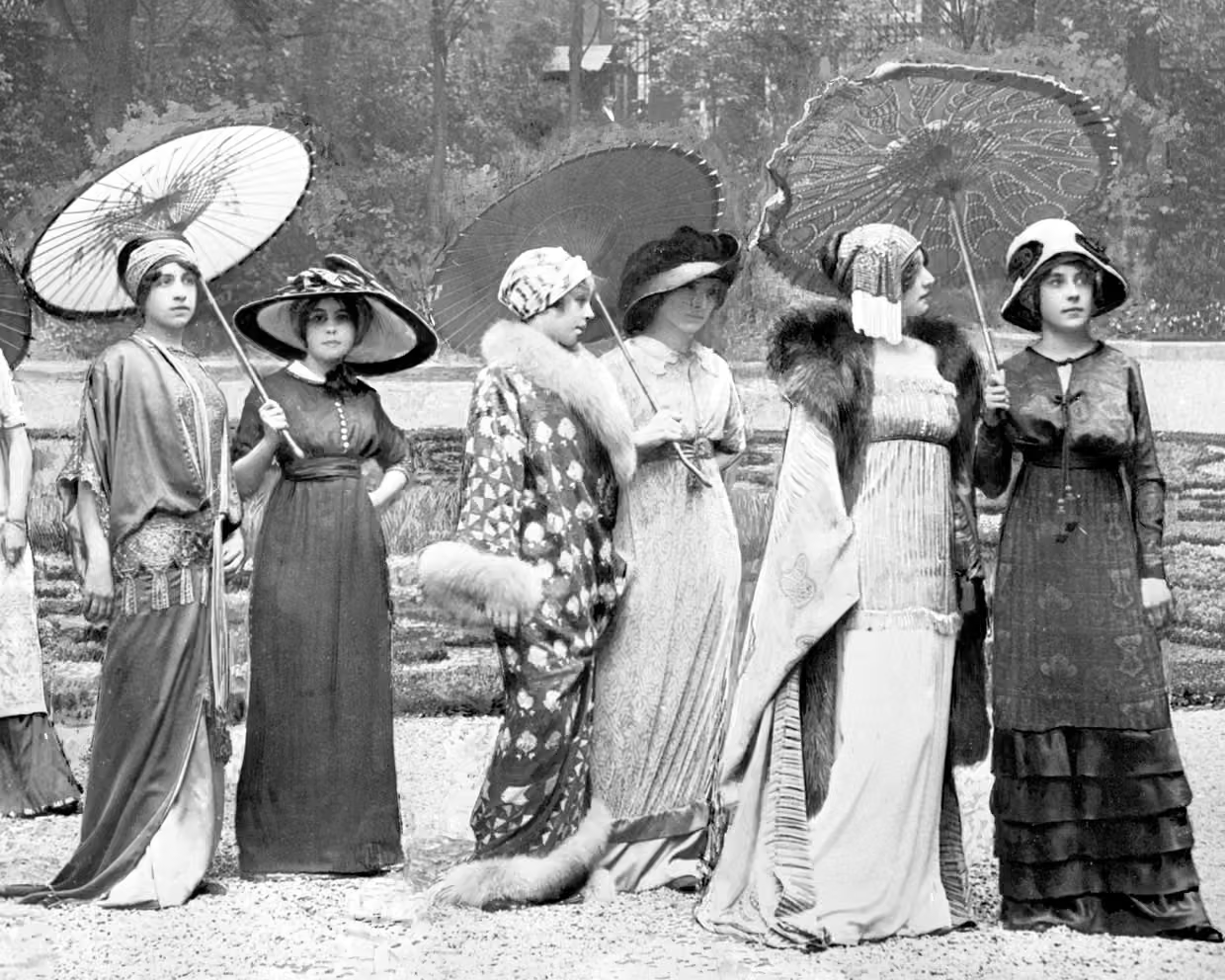
In the 1850s, fashion shows began. In those days, fashion businesses used real people to show off their outfits to wealthy women in small rooms called salons. For the next hundred years, events took place in increasingly interesting and bigger settings, like gardens, ships, and horse races. They became a strong means to sell clothes.
People in the 1950s and 1960s were more likely to wear fashionable clothes. The models started to stomp and dance on the runway. Designers like Mary Quant and Paco Rabanne made garments that were entertaining and violated the boundaries. Today, the show also has these pieces on display.
Scotland has a profound connection to the history of fashion. In 1938, Glasgow hosted a fashion display. Dior, a well-known fashion label, held displays in Glasgow and Gleneagles in 1955. Dior came back to Scotland for another exhibition in 2024.
The show also honors Scottish designers. It has a vivid orange and white outfit by Christopher Kane from his first London Fashion Week presentation in 2007. There are additional works by Charles Jeffrey Loverboy and Nicholas Daley, who is of Jamaican and Scottish descent.
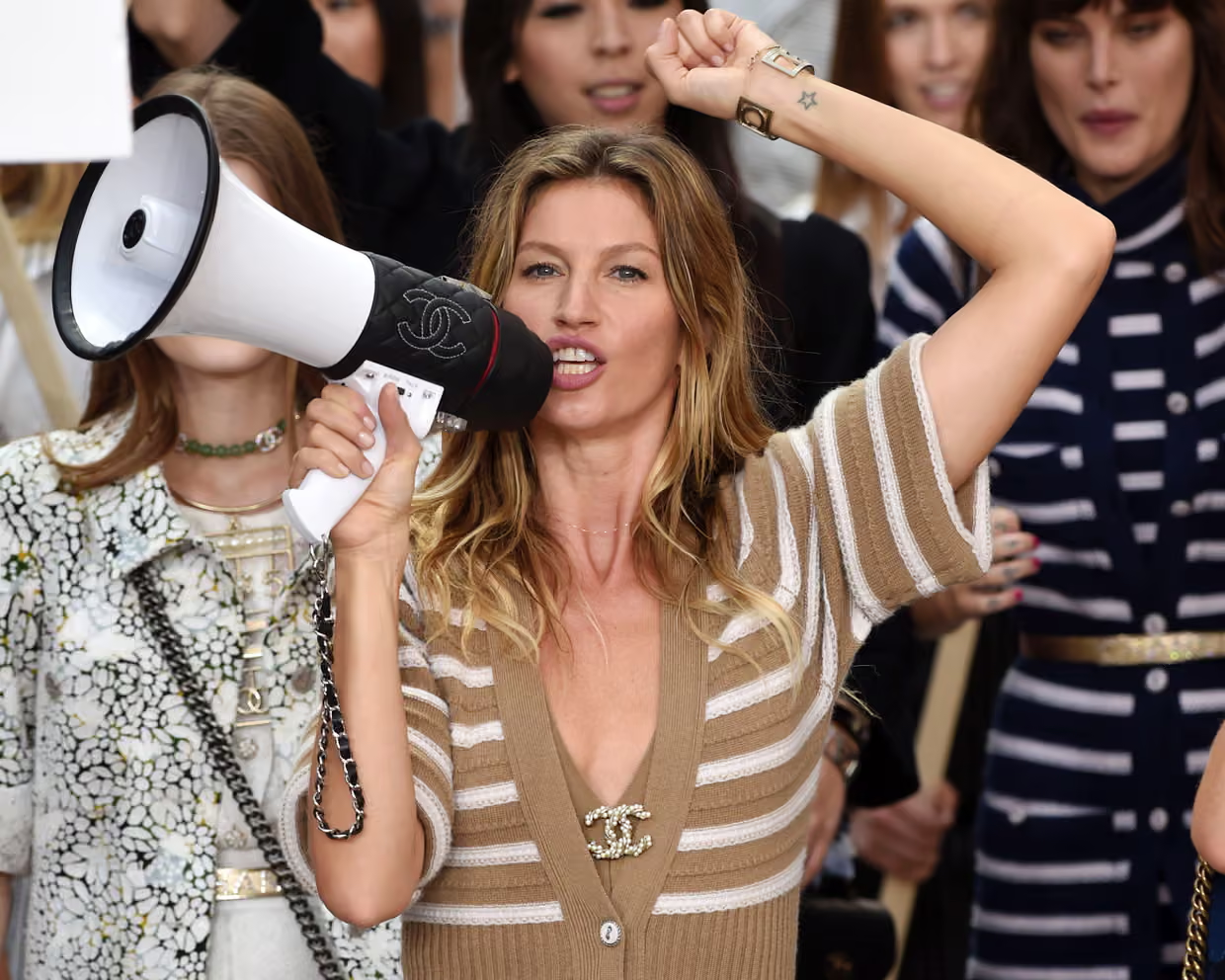
As fashion got bigger, shows started to seem more like plays. Karl Lagerfeld once sent a rocket shooting off inside a Paris skyscraper for a Chanel event. Another Chanel show looked like a feminist protest march, with famous models at the front. The exhibition uses video displays and artifacts from the real shows to portray these moments.
The invitations to fashion shows were even a part of the art. There is an invite created from parts of a tennis net and a phony old wallet loaded with coins and receipts. Both were presented as invites to actual shows.
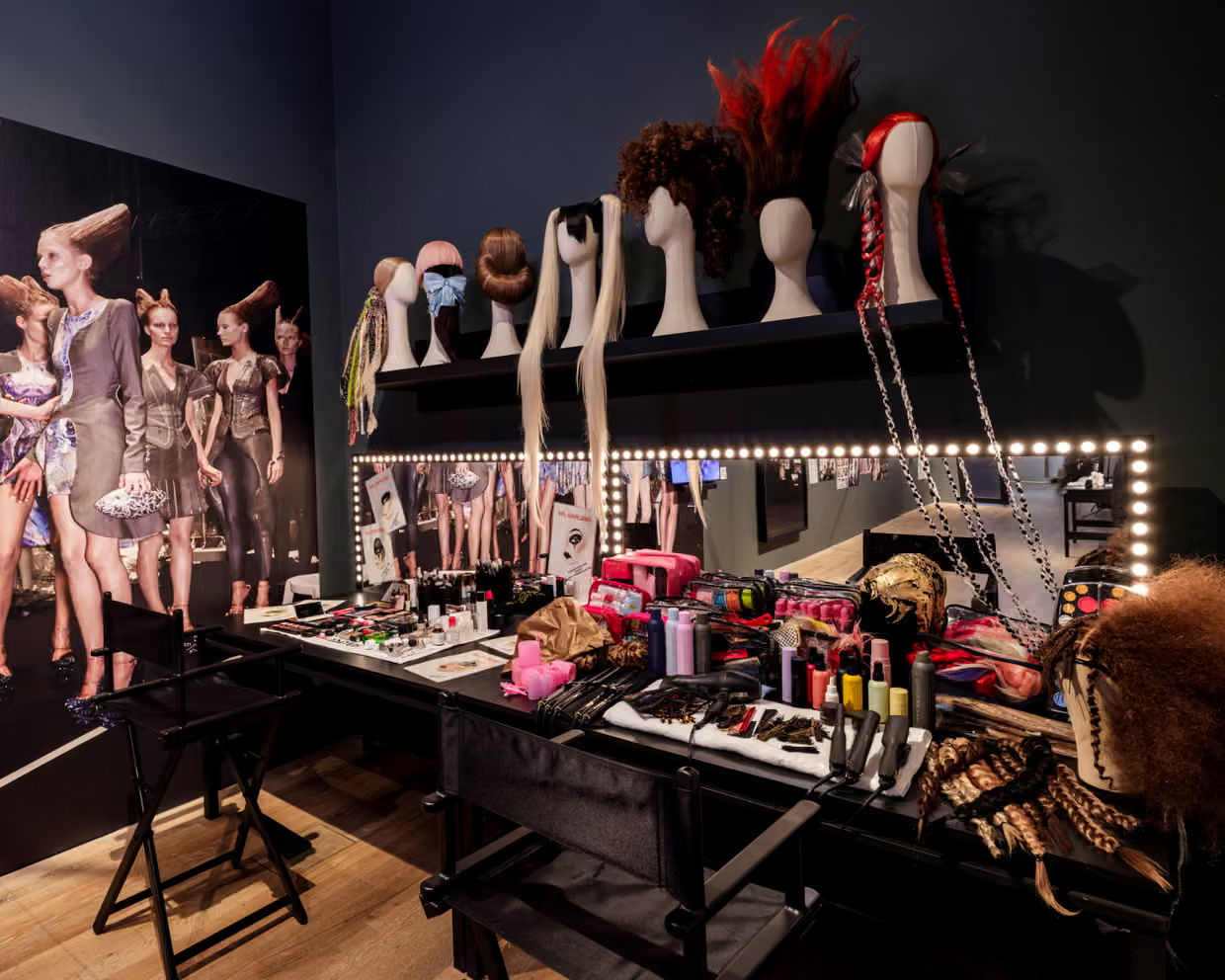
The show also shows what goes on behind the scenes. It demonstrates the equipment that the best hair and makeup professionals use, which reminds people that fashion shows are a group effort.
Fashion shows might look like they are only for the rich and famous. But Catwalk proves that what happens on the runway affects what we all wear and buy. Fashion shapes your life, whether you’ve been to a show or not. This exhibition tells that tale to everyone.