

 By
By You may have seen the word “cica” on skin-care products lately. But this ingredient is not new. It has been used for hundreds of years in Asia to heal and calm the skin.

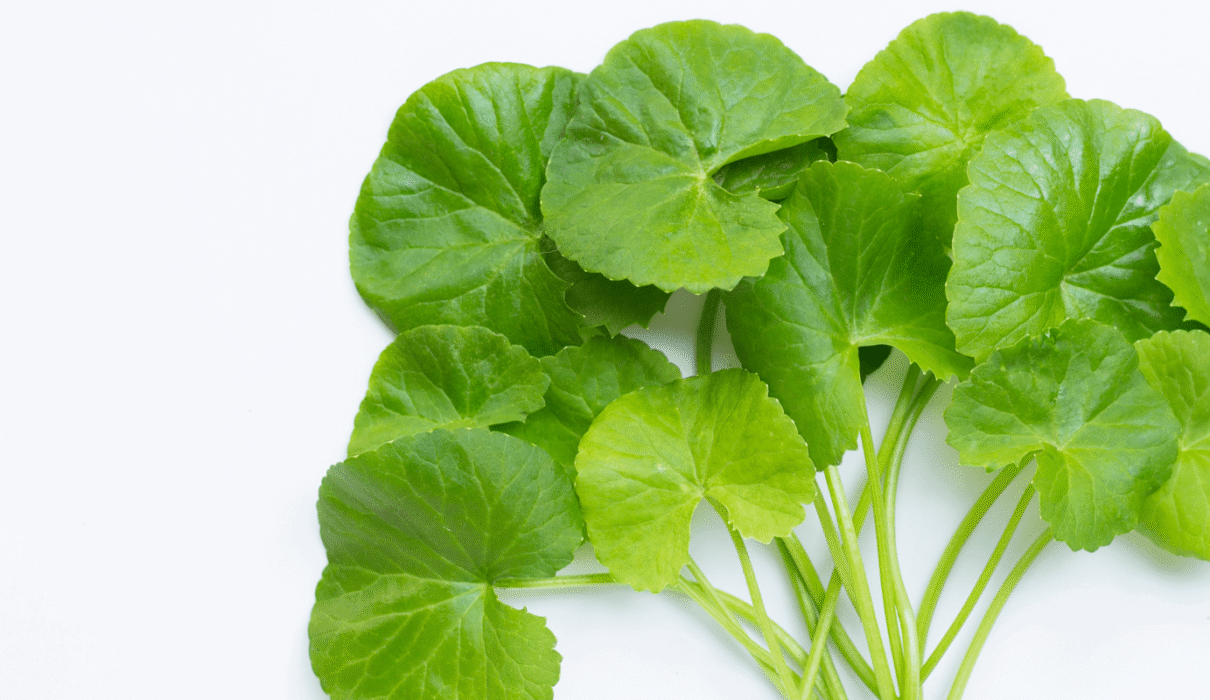
Cica derives from a little leafy herb named Centella asiatica that grows all across Asia. The word “cica” is an abbreviated form of its name. You may get “cica” by taking the “C” from “Centella” and the “ica” from “asiatica.” People have utilized this plant for food and to treat skin ailments for a long time.
What does cica do for your skin?
Cica is really healthy for your skin. It helps to soothe redness and inflammation. It fixes the skin’s natural barrier, which is the outer layer that keeps moisture in and bad things out. It also helps the skin create more collagen, which keeps it tight. And it keeps skin smooth and hydrated by locking in moisture.

According to dermatologist Dr. Josh Zeichner, the plant includes potent antioxidants that combat inflammation and speed up the healing of wounds. Because of this, it’s perfect for people who have eczema, rosacea, or skin that has been affected by harsh products.
Who can take cica?
The good news is that cica works for practically all skin types. Look for cica in a moisturizer if you have dry or sensitive skin. If you have acne-prone skin, a mild cica serum may help with redness. Cica protects your skin from free radicals every day, even if you have regular skin.
Tip: For maximum effects, use cica in a lotion, essence, or serum that lingers on your skin. It won’t do anything in a rinse-off mask or face cleanser.
Is it safe to use cica?
Yes, cica is usually safe for most people. But, like with any new product, it’s best to run a patch test first. Put a little bit on the inside of your arm and wait 24 hours to see if your skin reacts. Talk to your doctor before using any new skin-care product if you are pregnant or nursing.
How to look for cica on a label
The term “cica” might be on the front of a product, but it won’t be on the list of ingredients. You should look for madecassoside, asiaticoside, madecassic acid, or Centella asiatica extract. One of these names should be near the front of the list of ingredients, preferably in the first 10.
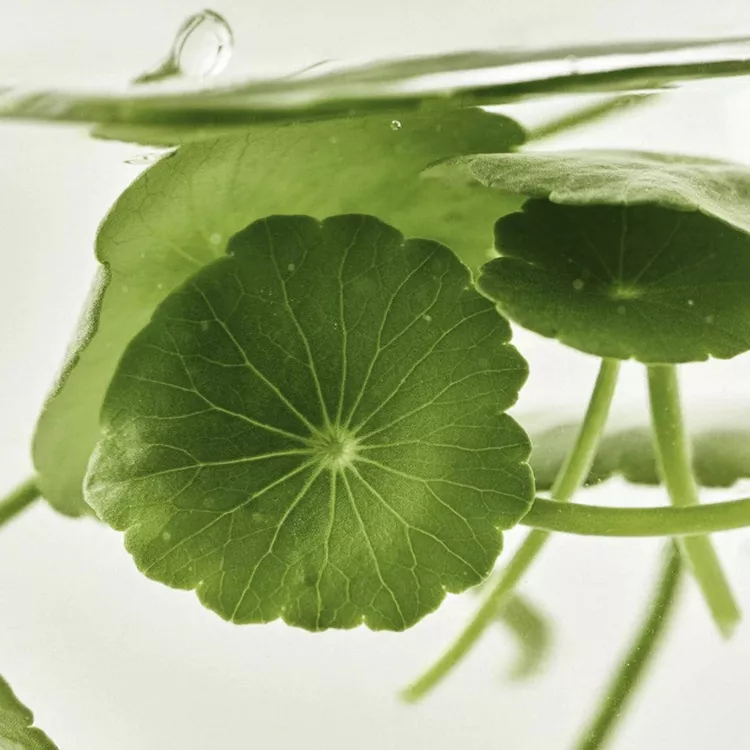
Cica may seem like a new craze, but it’s really an old treatment that research has finally proven works. Cica is a delicate but effective substance that is good for all skin types, including dry, sensitive, and acne-prone skin.