
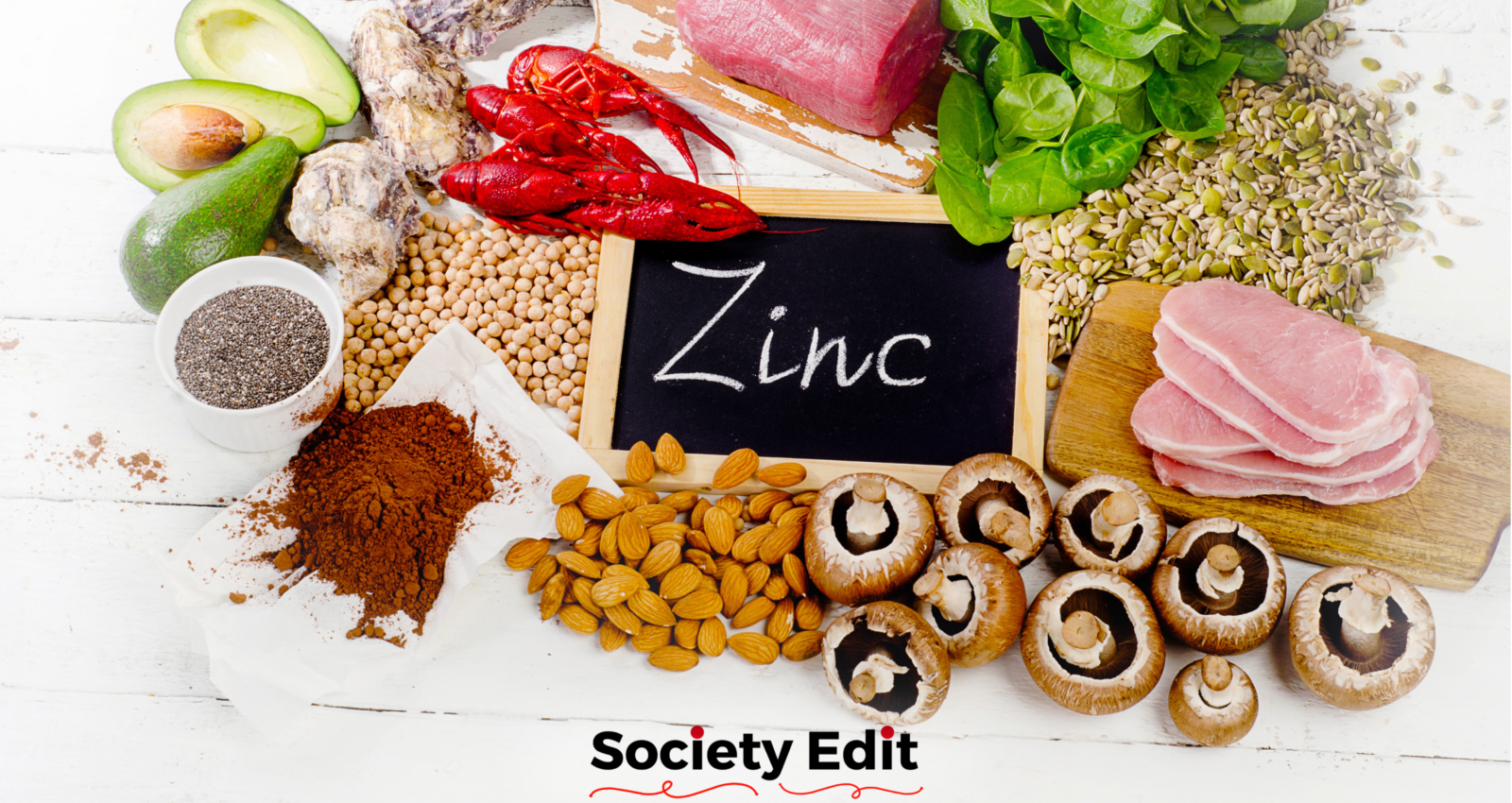
Zinc is an important mineral your body needs to function properly. It helps support the immune system, keep the skin healthy, support growth, and helps the body heal wounds.
Your body doesn’t make zinc , so you’ll need to get it from food or supplements. This is a quick guide to zinc, its benefits, foods that contain zinc, the recommended amount and possible side effects.
Zinc: What Is It?
Zinc is an important mineral. This means that your body needs it, but cannot make it or store large amounts of it.
Zinc is involved in many essential functions of the body, including:
- Fortifying the Immune System
- Helps make protein
- Helping to make DNA
- Cell growth stimulation
- helping wounds to heal
- Encourage normal growth and development
- Assisting with taste and smell
- Healthy skin support
Zinc is naturally present in many foods. Zinc is also added to some breakfast cereals and other foods. Zinc is also available as a dietary supplement .
Why Your Body Needs Zinc
Almost every part of your body uses zinc. It helps hundreds of enzymes do important jobs in digestion, metabolism, nerve function and other body processes.
It is also important for the immune system, so immune cells can do their job properly.
Zinc supports the production and division of cells, which is important for children, teenagers and adults. It also helps the body produce protein and DNA.
Another key function of zinc is to assist your senses of taste and smell. If the body doesn’t have enough zinc, these senses can become weak.
Health Benefits of Zinc
1. Boosts the immune system
Zinc helps your immune system to work properly. Too little zinc may interfere with the body’s ability to fight infections.
Other studies suggest that, when taken in certain amounts and forms, zinc supplements may help shorten a common cold. However, too much zinc can be harmful. Supplements should be used with caution.
2. Aids in Healing Wounds
Zinc is important for skin repair and healing of wounds. It helps the body produce collagen and supports the immune system and normal inflammation.
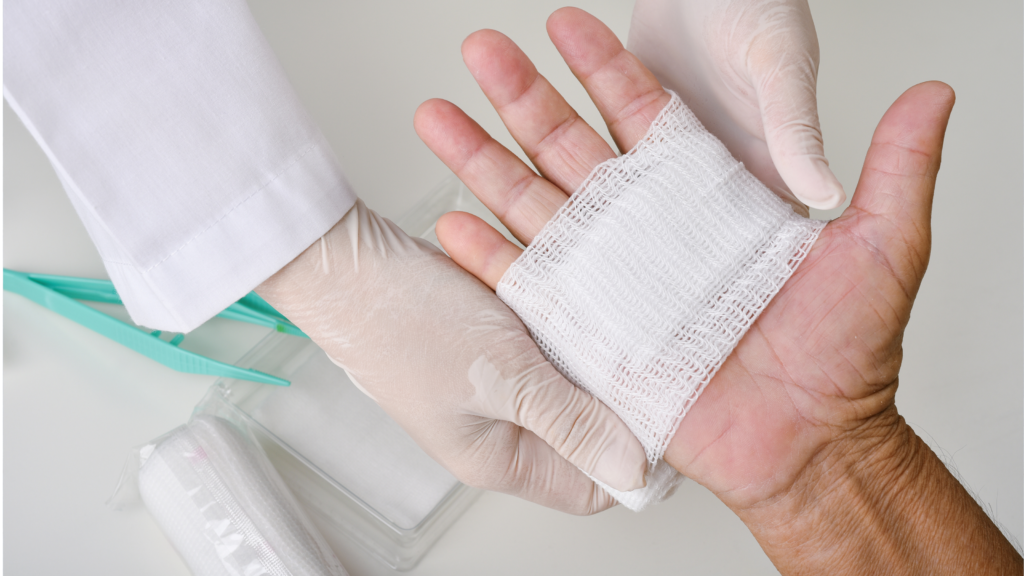
Zinc deficiency may slow wound healing in people. Sometimes doctors may suggest zinc supplements as part of treatment.
3. May Help Promote Healthy Ageing
Zinc may help older adults keep their immune system healthy. Other studies have tied zinc intake to a reduced risk of some infections and age-related health problems.

But more research is needed to find out how much zinc is helpful for healthy ageing.
4. Can Benefit Acne
Zinc may help people with acne because it is involved in reducing inflammation and keeping skin healthy.
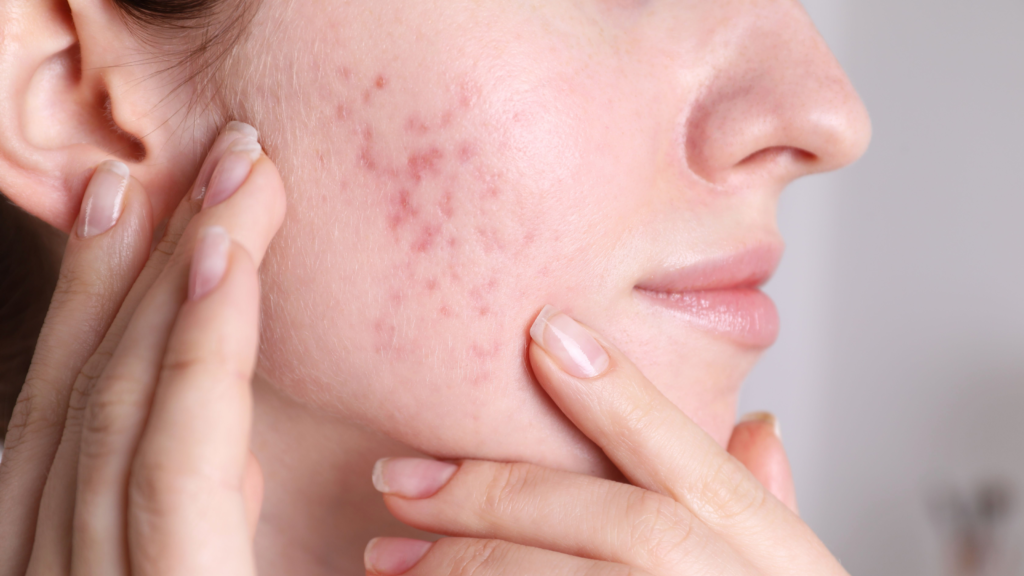
Some research has indicated that oral and topical zinc may be helpful for reducing symptoms of acne. Supplemental zinc may be more helpful for people with low zinc levels.
If you are considering taking high doses of zinc for acne, it is recommended to consult with your physician or dermatologist first.
5. May Reduce Inflammation
Zinc helps protect cells from oxidative stress and may help to control inflammation in the body.
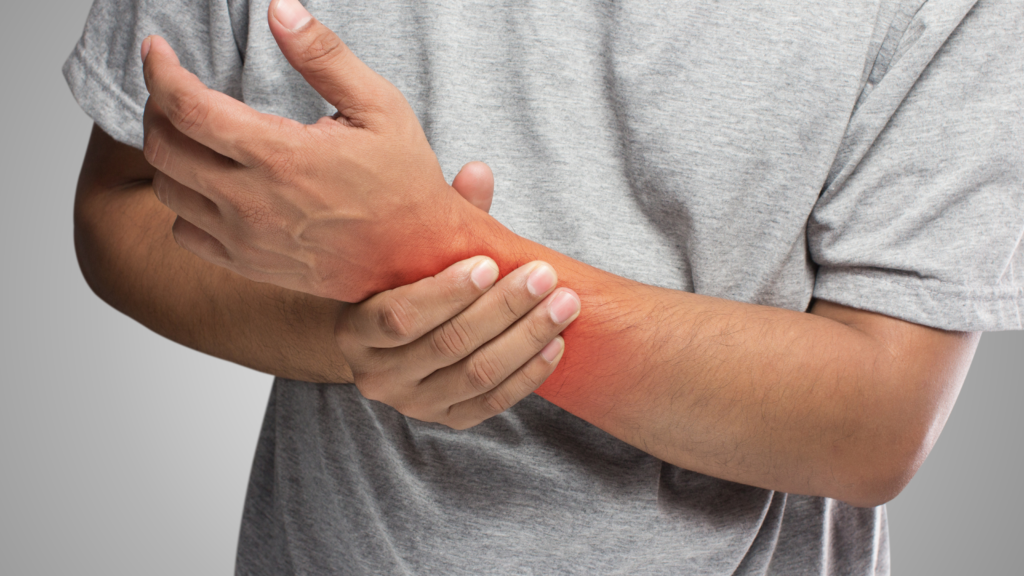
Chronic inflammation is linked to a variety of health issues. However, zinc should not be taken as a treatment for chronic diseases unless it’s advised by a healthcare professional.
Zinc Deficiency Symptoms
Severe zinc deficiency is rare, but some people may be at increased risk. This could be people with certain digestive issues, people on restricted diets, and people who have trouble absorbing nutrients.
Signs of zinc deficiency may include:
- Diarrhoea
- Compromised immune system
- Thinning hair
- Dry skin.
- Impaired wound healing
- Loss of taste or smell
- Growth problems.
- Skin disorders
Your doctor can tell you if you are deficient in zinc. Blood tests alone may not always tell the whole story, so your diet and general health may also be considered.
Zinc-Rich Foods
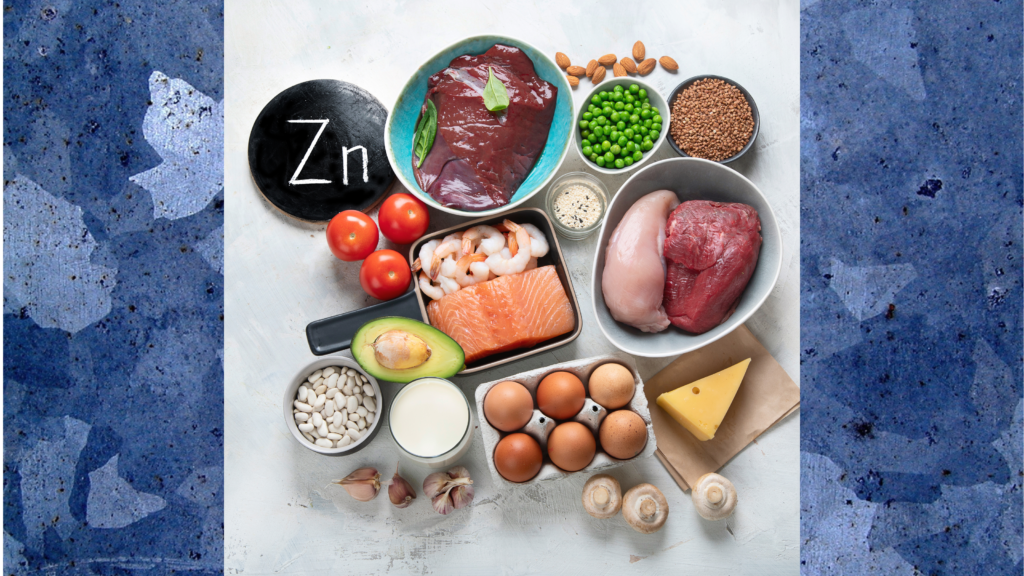
There is zinc in many foods. Good sources include:
- Oysters and other shell fish
- Beef
- Pigmeat
- Poultry
- Turkey
- Ovum Fish
- Milk, cheese and yoghurt
- chick peas
- Lentils Beans
- Seeds (pumpkin)
- Cashew nuts
- Whole grains
- Peas and mushrooms
Zinc in meat and shellfish is usually more readily absorbed by the body. Plant foods can be sources of zinc too, but some of the natural compounds in these foods may interfere with the absorption of zinc in the body.
Most people can easily get enough zinc from a well-rounded diet.
Can You Overdose on Zinc?
Yes. Zinc is important but too much can cause health problems.
Overdose of zinc can lead to:
- Nausea – Vomiting
- Diarrhoea
- Headaches Stomach ache
Too much zinc for a long period of time can also block the body from absorbing other nutrients, especially copper.
That’s why high-dose zinc supplements should only be used if they’re recommended by your doctor.
How much zinc do you require?
The general daily recommended amount for adults is:
- Adult men: 11mg daily
- Women, adults: 8 mg/d
- Pregnant women: 11 mg/day
- Breastfeeding women: 12 mg/day
For adults, the usual limit is 40 mg a day of zinc from all sources, unless a healthcare professional advises otherwise.
For most people a healthy diet should provide enough zinc. Some people may need supplements because of their diet or a medical condition that affects how well zinc is absorbed.
Zinc is an important mineral that helps with the immune system, skin, wound healing, cell growth and many other body functions.
You can get zinc from foods like meat, seafood, eggs, dairy products, beans, nuts and seeds. Zinc supplements may be helpful for people who don’t get enough zinc, but taking too much can cause side effects.
Zinc can best be obtained from a well-rounded diet, and supplements should be used only if needed or recommended by a healthcare professional.