
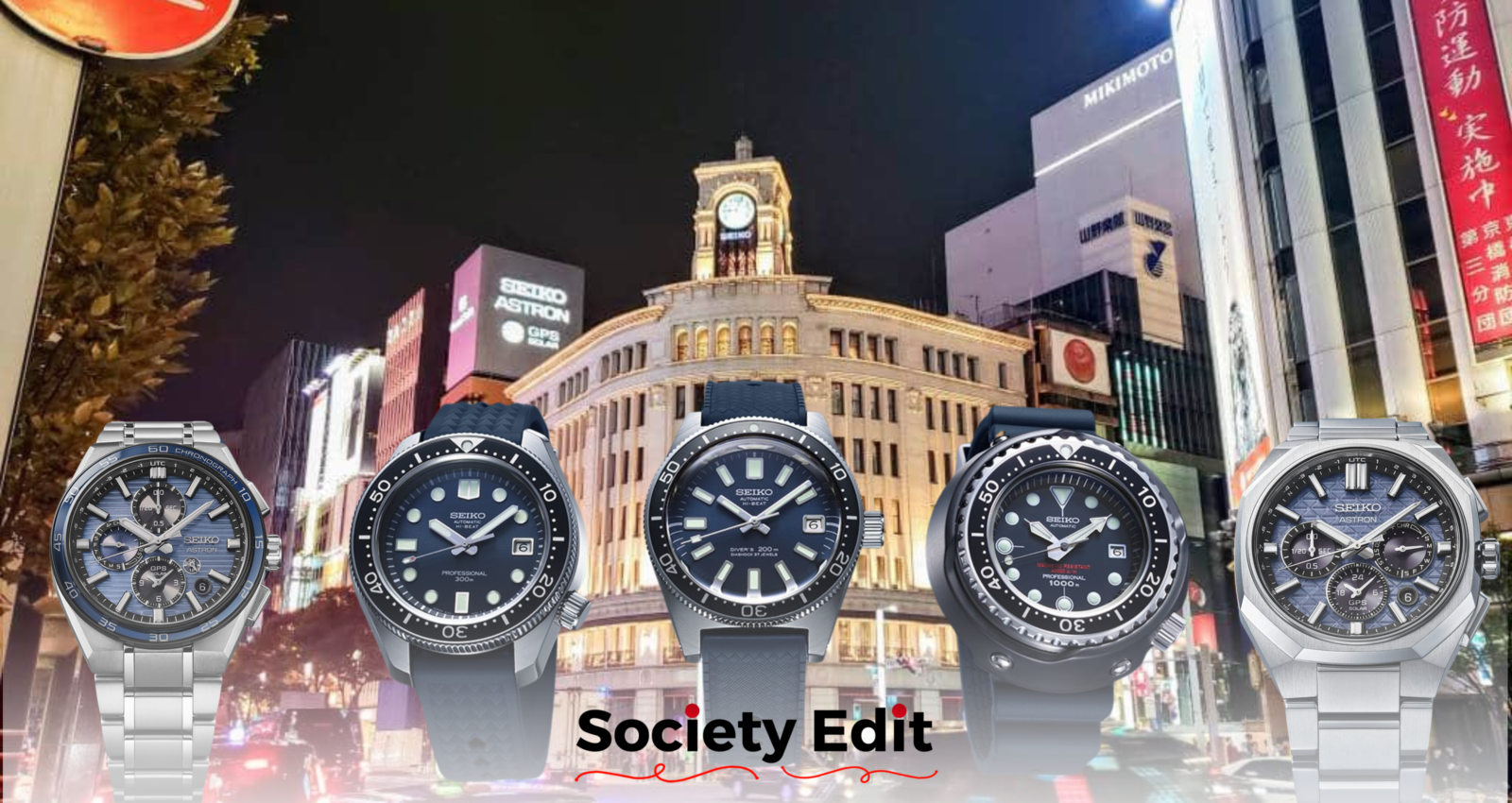
When people talk about Japanese watches, one name almost always comes up first: Seiko.
What makes Seiko interesting is that the company is difficult to place into a single category. It produces affordable automatic watches for people buying their first mechanical timepiece, serious professional diving watches, elegant dress watches, advanced GPS Solar models, and—through its broader watchmaking family—some of Japan’s most sophisticated luxury timepieces.
That range is unusual.
Someone can begin collecting watches with a Seiko 5 Sports, move into Presage or Prospex, become interested in King Seiko or Astron, and eventually discover the very different worlds of Grand Seiko and Credor.
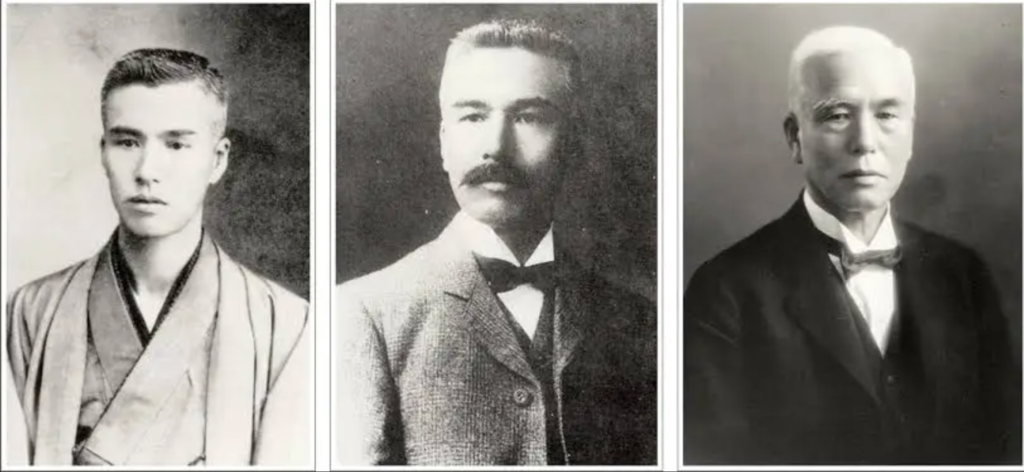
Seiko’s reputation was not created overnight. The story stretches back to 1881, when 21-year-old entrepreneur Kintaro Hattori opened a shop in Tokyo selling and repairing watches and clocks. In 1892, he established the Seikosha factory, and in 1913 the company produced the Laurel, recognized by Seiko as Japan’s first wristwatch.
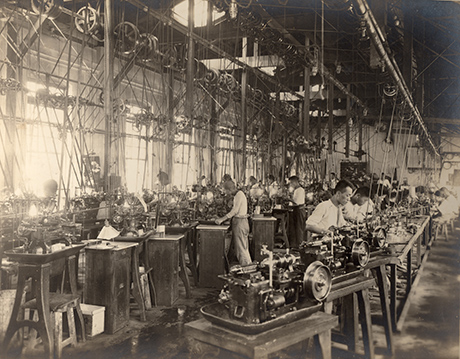
Over the following century, Seiko became known not only for mechanical watches but also for innovations that helped reshape the global watch industry.
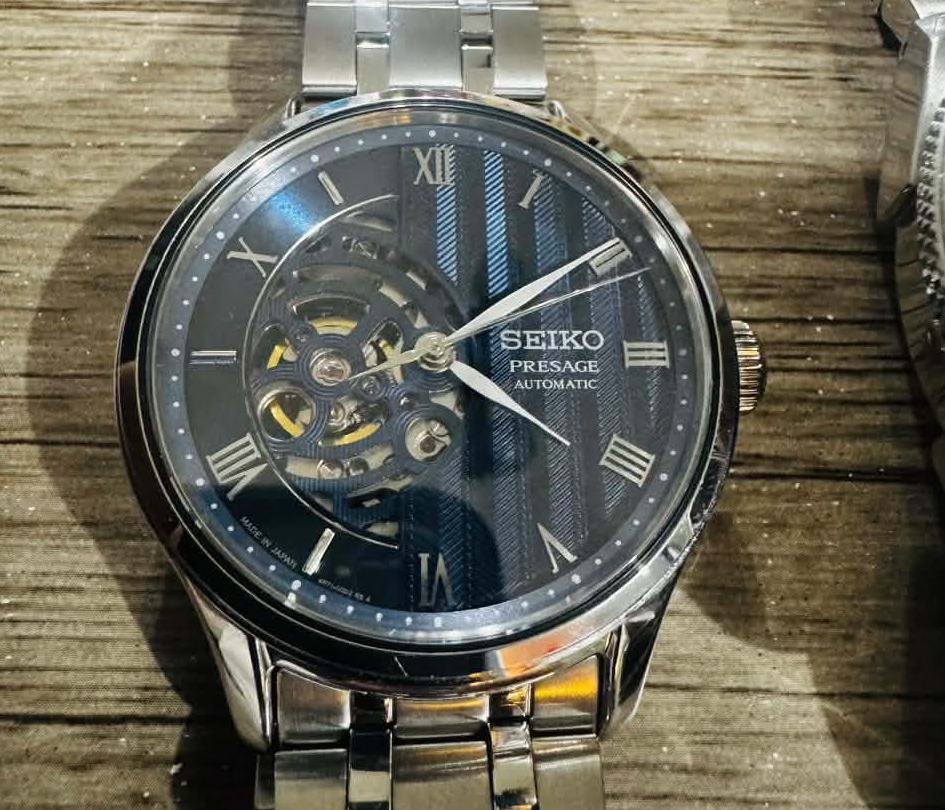
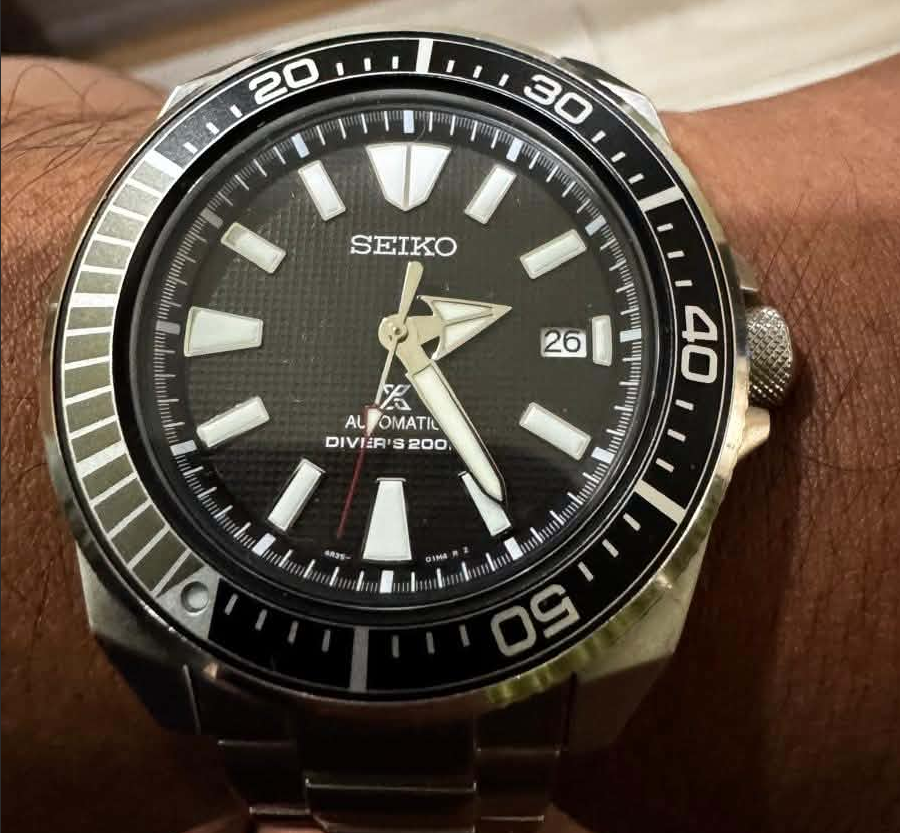
That history is one reason I became interested in the brand myself. I now personally own two very different Seiko watches: a Seiko Presage Automatic that I bought in Osaka, Japan, and a Seiko Prospex Automatic Diver’s 200m that I purchased in Makati, Metro Manila.
Owning and wearing both has helped me understand why Seiko continues to attract everyone from first-time automatic-watch buyers to serious collectors.
Why Is Seiko Considered a Quality Watch?
The simple answer is that Seiko has developed a reputation for providing strong engineering and watchmaking value across several price levels.
But there is much more behind that reputation.
Seiko is not a fashion company that decided to put its name on watches. Watchmaking is central to its history.
From the early Seikosha factory to modern automatic, quartz, solar and GPS-controlled watches, the company has spent generations developing its own approach to timekeeping.
One particularly important part of Seiko’s identity is its degree of manufacturing independence. Over its history, the company developed expertise in movements and many of the components and technologies required to build watches rather than relying entirely on outside suppliers.
That matters to enthusiasts.
When you buy an automatic Seiko, you are buying into a company that actually has a long history of designing and manufacturing watch movements.
Seiko Helped Change the Global Watch Industry
Seiko’s importance goes beyond producing dependable mechanical watches.
One of its biggest achievements came in 1969.
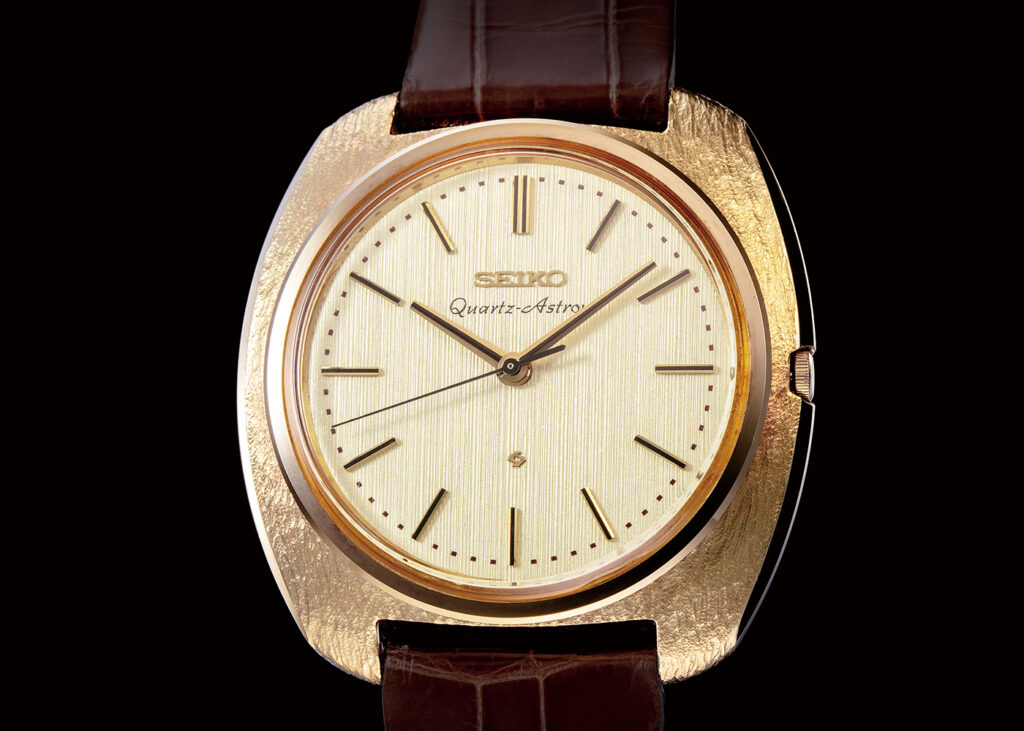
That year, Seiko released the Quartz Astron, recognized as the world’s first commercially available quartz wristwatch.
Quartz technology dramatically improved everyday timekeeping accuracy and eventually transformed the international watch business.
Seiko was also developing sophisticated mechanical technology during this period. Its Caliber 6139 automatic chronograph, also introduced in 1969, incorporated a vertical clutch and column wheel and became an important milestone in automatic chronograph development.
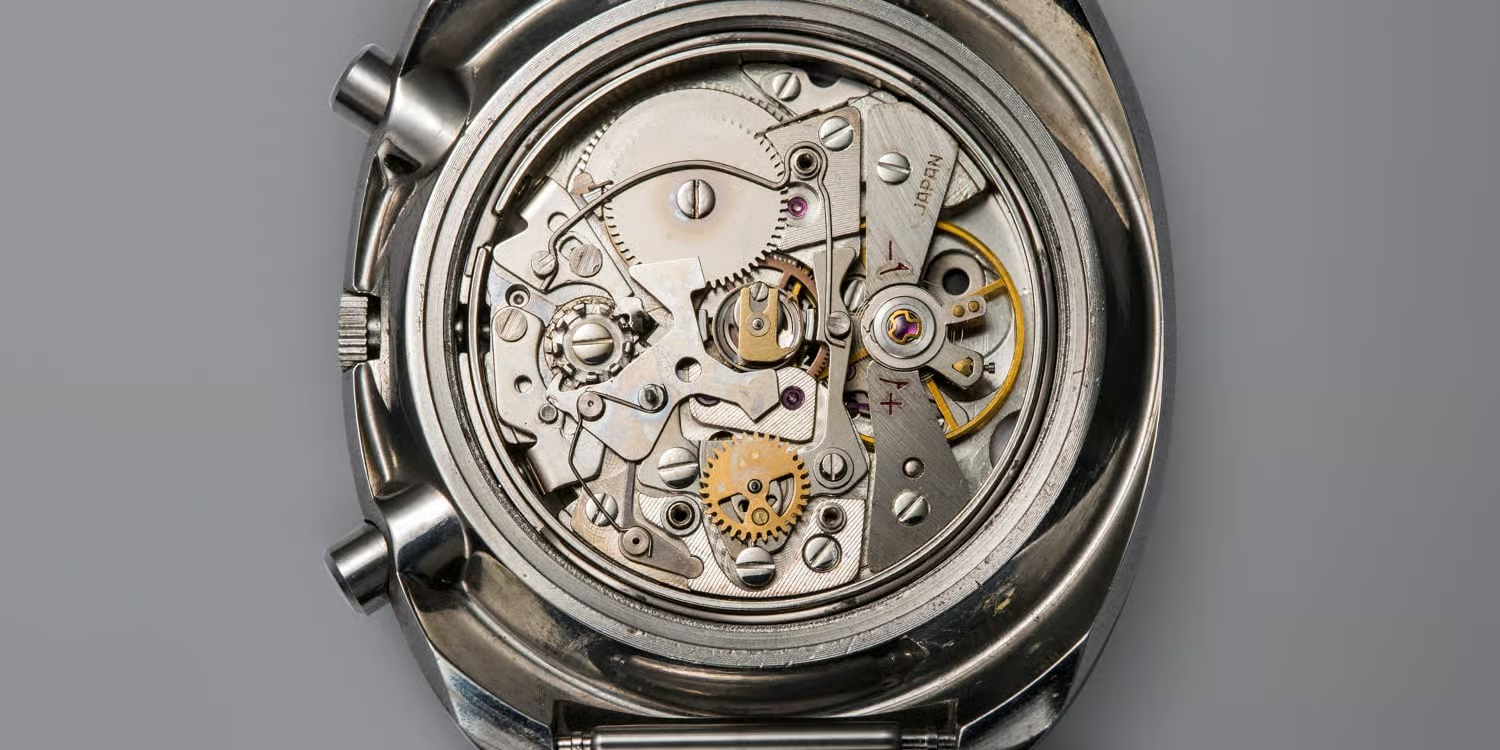
The company subsequently explored technologies including solar power, Kinetic, Spring Drive and GPS synchronization.
Modern Seiko Astron GPS Solar watches represent the technological side of the company particularly well. They use light as their energy source and can receive GPS signals to help determine the correct local time.
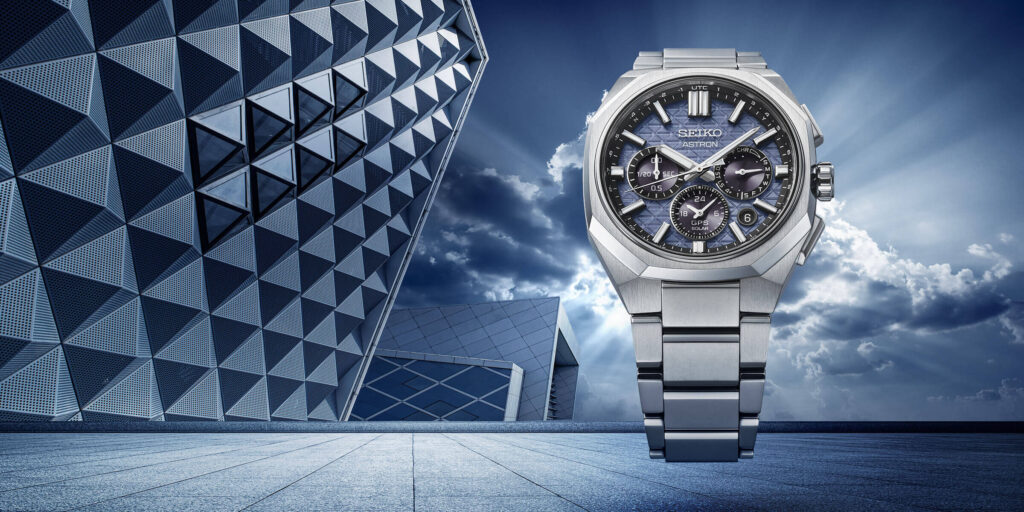
This ability to develop both traditional mechanical watches and advanced electronic timekeeping is one of the reasons Seiko is difficult to compare with many other watch companies.
Seiko never completely chose between tradition and technology.
It invested in both.
Why Are Seiko Watches So Popular?
Seiko’s popularity is based on several factors working together.
The first is accessibility.
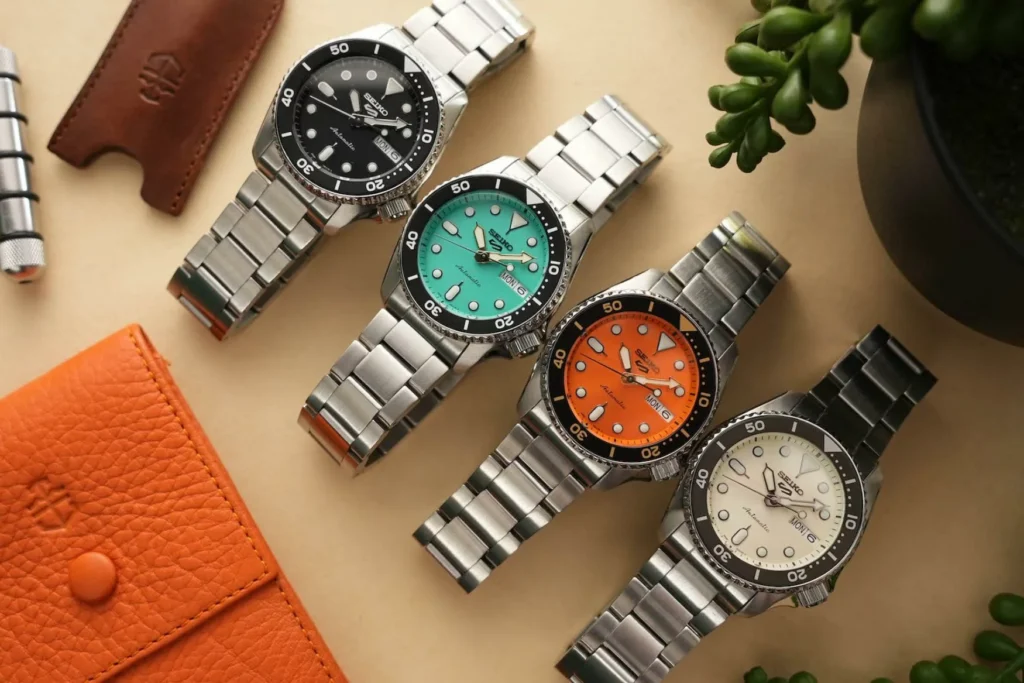
You do not need thousands of dollars to experience a mechanical Seiko. Collections such as Seiko 5 Sports allow people to enter automatic watch ownership relatively affordably.
The second is variety.
Want a dress watch? Look at Presage.
Want a diver? Prospex.
Want a heritage-oriented mechanical watch? King Seiko.
Want GPS-controlled accuracy for international travel? Astron.
Want Japanese luxury? Grand Seiko enters the conversation.
The third reason is history.
Collectors tend to appreciate companies that can point to genuine achievements rather than simply creating vintage-looking watches based on somebody else’s history.
Seiko has that heritage.
And finally, Seiko watches tend to have their own design identity.
A Presage Cocktail Time does not need to pretend it is a Swiss dress watch. A Prospex diver has decades of Seiko diving history behind it. Astron openly embraces technology instead of pretending to be a traditional mechanical watch.
That independence gives the brand personality.
Understanding the Seiko Watch Hierarchy
One of the most confusing things for a new Seiko buyer is figuring out the hierarchy.
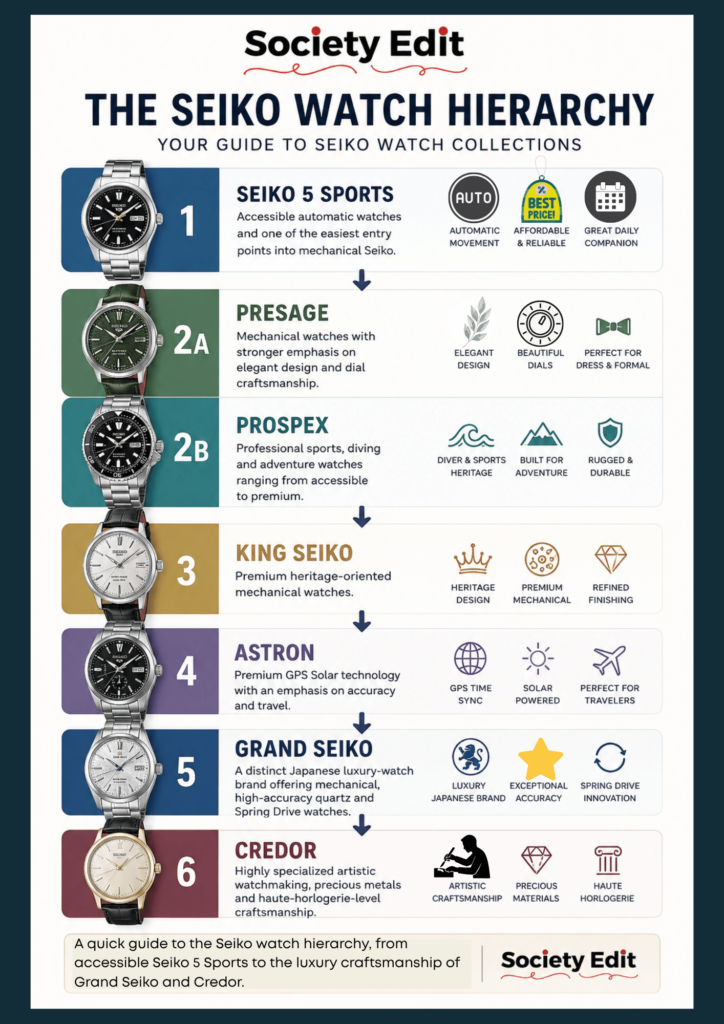
The answer requires some explanation because Seiko does not have one perfectly linear hierarchy.
A high-specification Prospex can cost considerably more than an entry-level model from another collection. Astron uses completely different technology from King Seiko. Presage concentrates on dressier mechanical watchmaking while Prospex concentrates on sports and professional specifications.
It is therefore better to understand the collections by their purpose and general market position.
Level 1: Seiko 5 Sports — The Entry Point Into Automatic Seiko
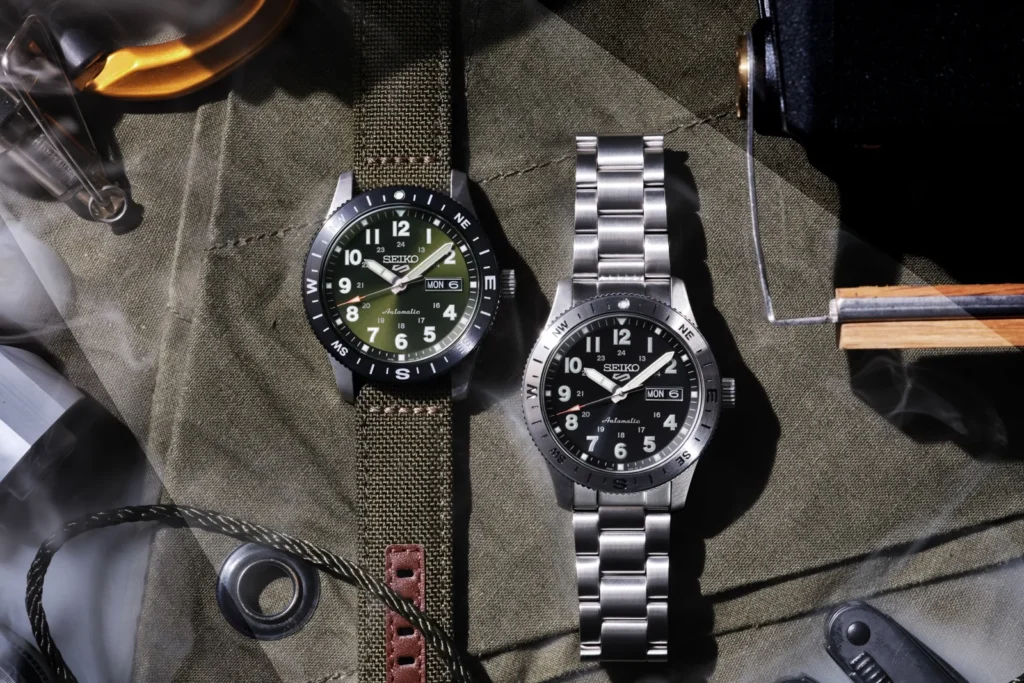
Best for: First-time mechanical-watch buyers, everyday use and affordable collecting
Seiko 5 is one of the most important names in affordable mechanical watches.
Its history goes back to the Seiko Sportsmatic 5 of 1963, which Seiko identifies as Japan’s first automatic day-date wristwatch.
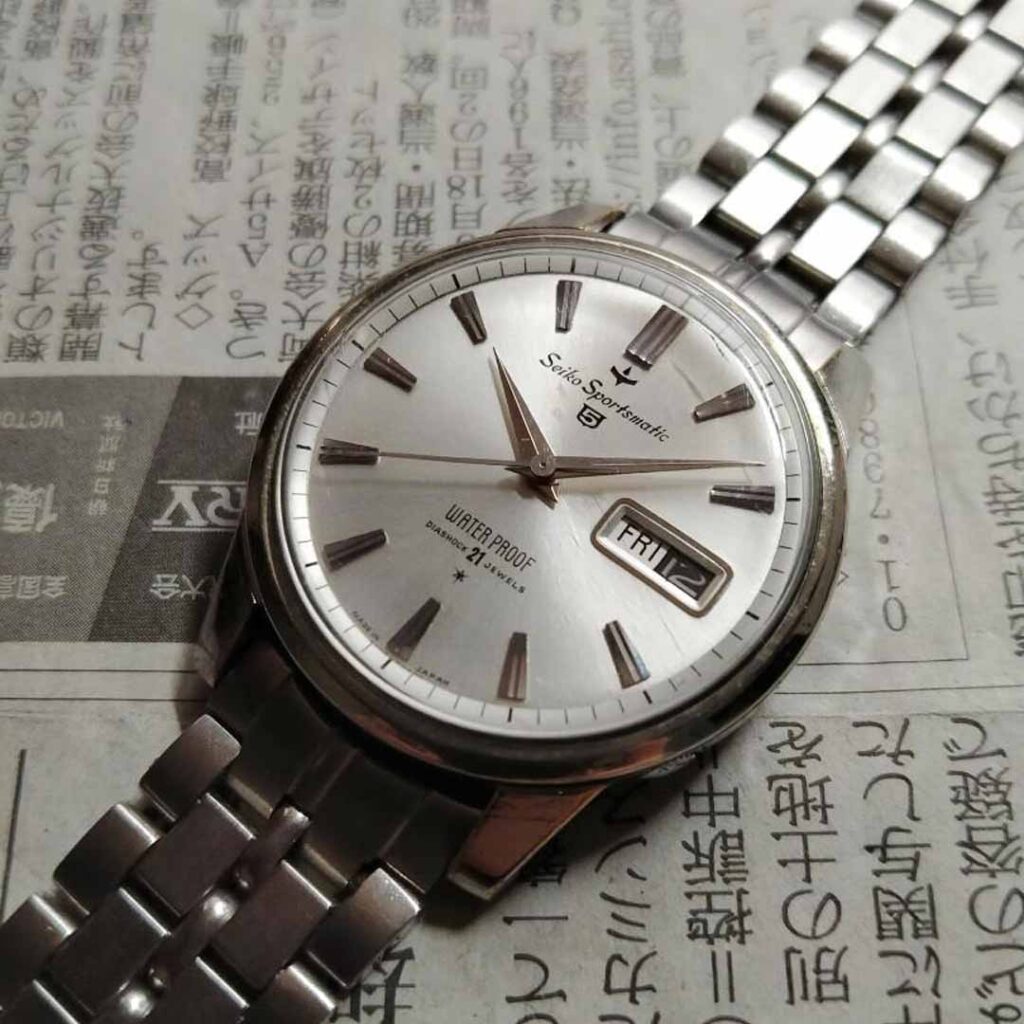
The “5” concept originally represented five important attributes: an automatic movement, day-date display, water resistance, a recessed crown and durable case-and-bracelet construction.
Seiko 5 Sports arrived in 1968 and developed a particularly strong following among younger buyers.
Modern Seiko 5 Sports continues the basic philosophy: make automatic mechanical watches accessible, practical and interesting.
This is why Seiko 5 is frequently recommended as a first automatic watch.
You do not need to spend luxury-watch money to experience a mechanical movement on your wrist.
Level 2: Seiko Presage — Mechanical Watches With a More Elegant Personality
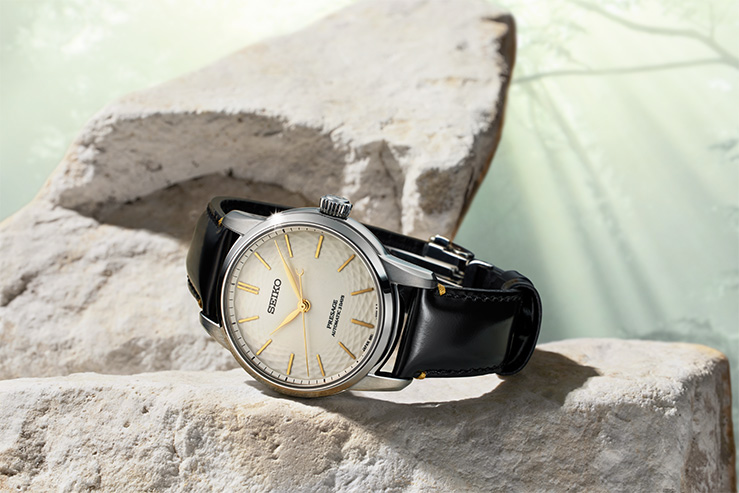
Best for: Dress watches, distinctive dials and buyers interested in traditional mechanical styling
Move from Seiko 5 into Presage, and the personality changes.
Presage places greater emphasis on mechanical watchmaking, dial design, finishing and traditional aesthetics.
One of the best-known Presage families is Cocktail Time.
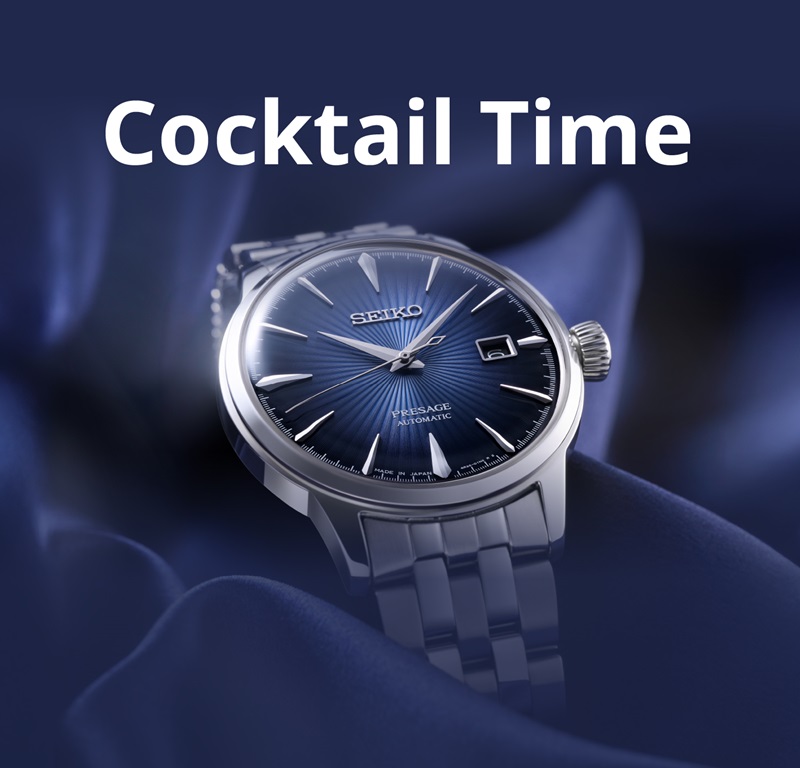
These watches became popular because of their dramatic dials, many inspired by cocktails and Japanese bar culture. Light interacts with their textures in ways that can make relatively affordable watches appear much more expensive.
Other Presage models explore Japanese craftsmanship through enamel, porcelain, lacquer-inspired techniques and traditional decorative ideas.
Presage therefore occupies an interesting position.
It is not necessarily a luxury collection, but it allows buyers to experience a more refined and artistic side of Seiko mechanical watchmaking.
I understand this part of the Seiko range particularly well because Presage is one of the Seiko watches I personally own.
I will return to that watch later in the article.
Level 3: Seiko Prospex — Serious Sports and Diving Watches
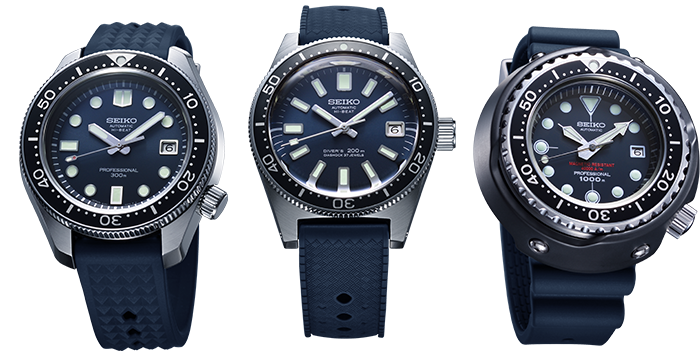
Best for: Diving, adventure, outdoor use and tool-watch enthusiasts
Prospex comes from the idea of Professional Specifications.
This is the family where Seiko’s sports-watch history becomes particularly important.
Seiko introduced Japan’s first diver’s watch in 1965, beginning a diving-watch lineage that would eventually become one of the company’s most respected specialties.
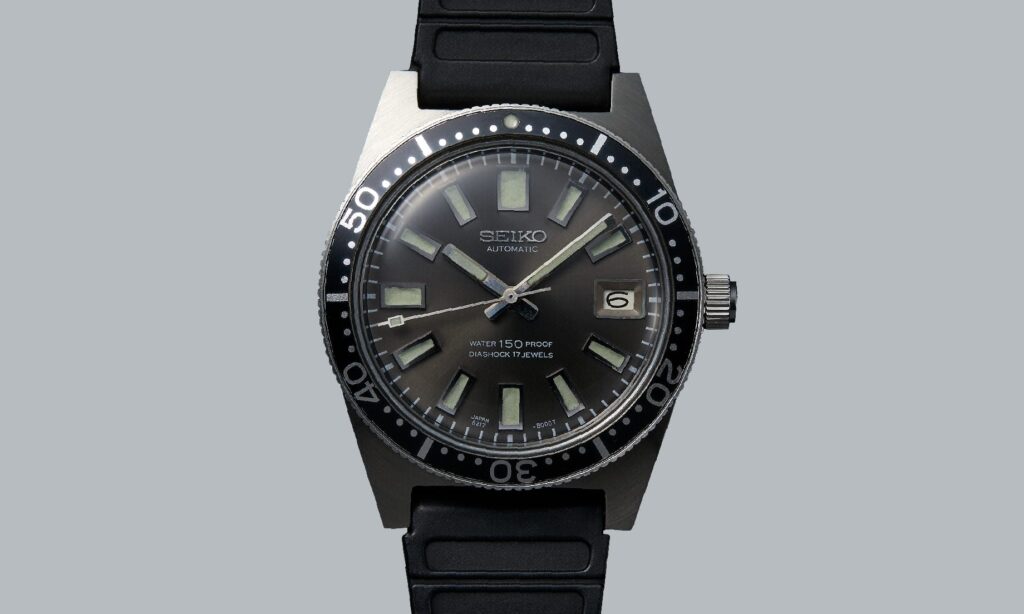
Over subsequent decades, Seiko developed watches intended for increasingly demanding underwater environments.
Modern Prospex covers far more than one type of diver.
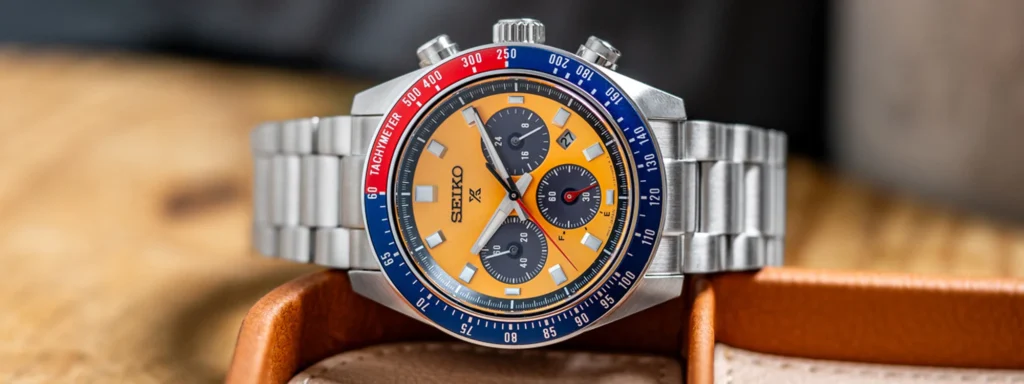
The family includes diving watches, Speedtimer chronographs, land-oriented models, solar watches, mechanical watches and high-end professional models.
This makes Prospex particularly difficult to position on a simple price ladder.
Some Prospex watches are reasonably accessible.
Others move into serious enthusiast territory.
High-end Prospex models can cost more than watches from collections that people sometimes assume are positioned “above” Prospex.
My second personal Seiko belongs to this family: a Prospex Automatic Diver’s 200m.
Level 4: King Seiko — Premium Japanese Mechanical Heritage
Best for: Collectors interested in classic Japanese design and higher-end mechanical Seiko watches
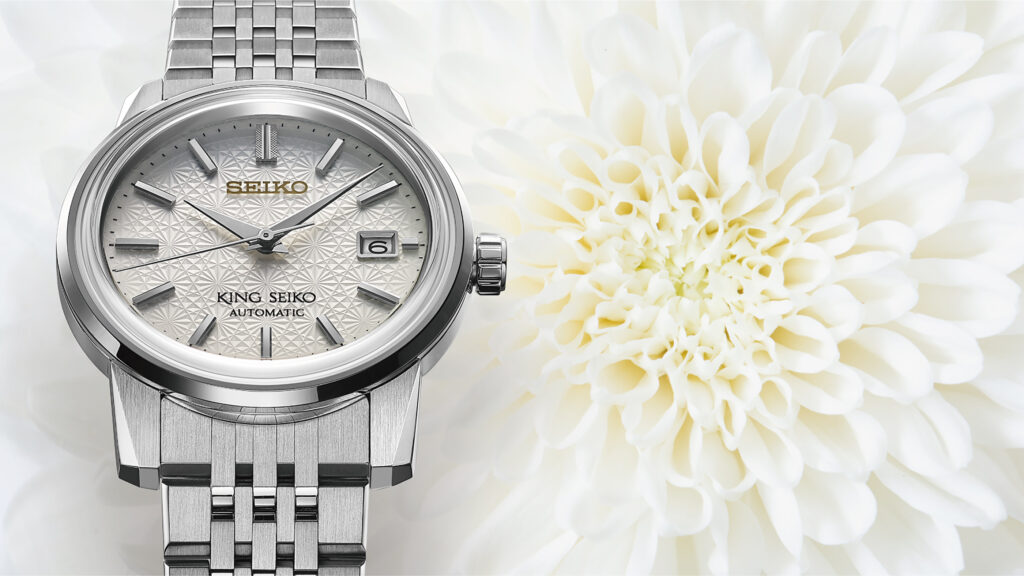
King Seiko has roots in the early 1960s.
Historically, both King Seiko and Grand Seiko emerged during a period when Seiko was pushing Japanese mechanical watchmaking toward increasingly high standards.
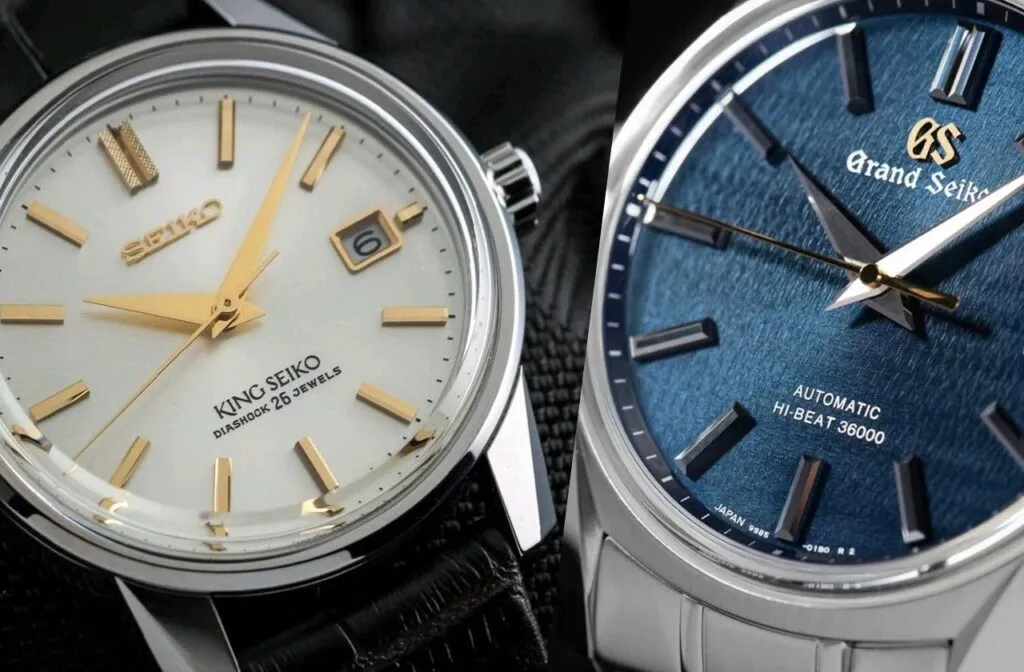
Modern King Seiko watches draw heavily on that heritage.
The designs tend to emphasize sharp case geometry, restrained dials and a distinctly Japanese interpretation of the classic mechanical wristwatch.
I think of King Seiko as one of the bridges between mainstream Seiko and more serious luxury watchmaking.
It is less about rugged professional specifications than Prospex and less about electronic technology than Astron.
Its attraction is mechanical heritage.
Level 5: Seiko Astron — The High-Technology Branch
Best for: International travelers and people who prioritize accuracy and convenience
Astron does not fit comfortably into a conventional mechanical-watch hierarchy.
That is because Astron represents a completely different philosophy.
The original Quartz Astron helped introduce quartz wristwatch technology to the world in 1969.
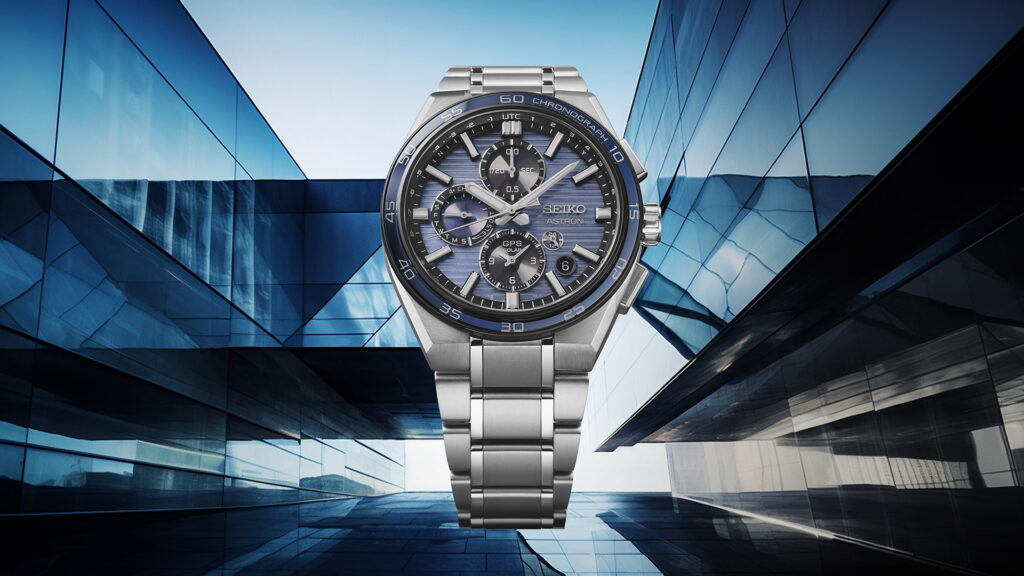
Modern Astron GPS Solar continues that technology-first approach.
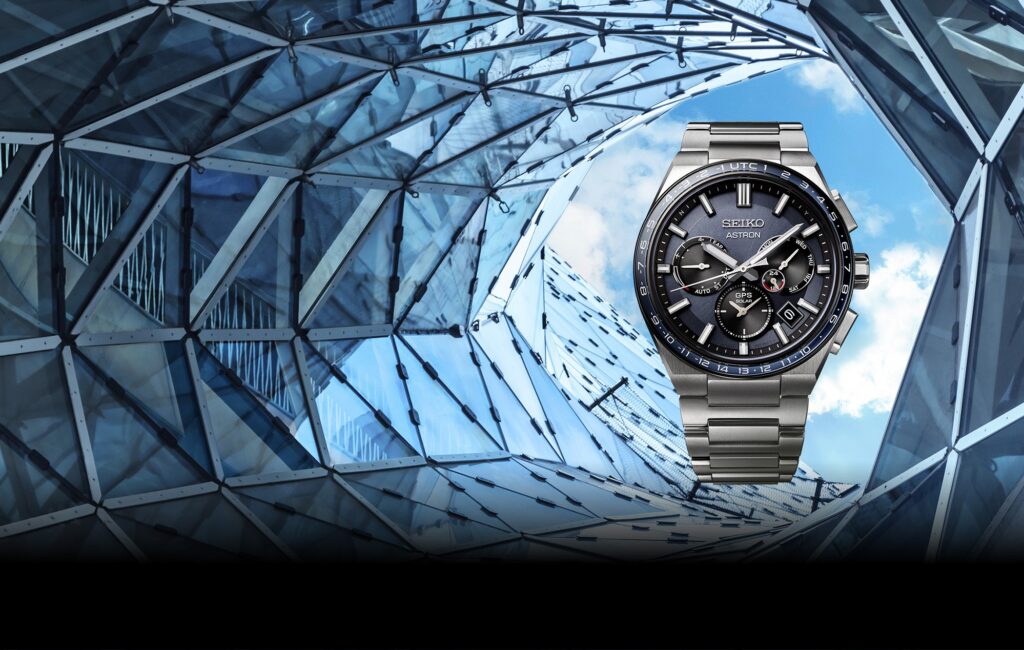
Rather than requiring the owner to adjust the watch every time they cross multiple time zones, compatible Astron models can use GPS information to determine location and correct local time.
They are also solar powered.
This makes Astron particularly attractive for frequent international travelers.
If King Seiko celebrates Seiko’s mechanical past, Astron celebrates its technological future.
Neither approach is automatically better.
They are designed for different watch owners.
Where Does Grand Seiko Fit?
This distinction is important.
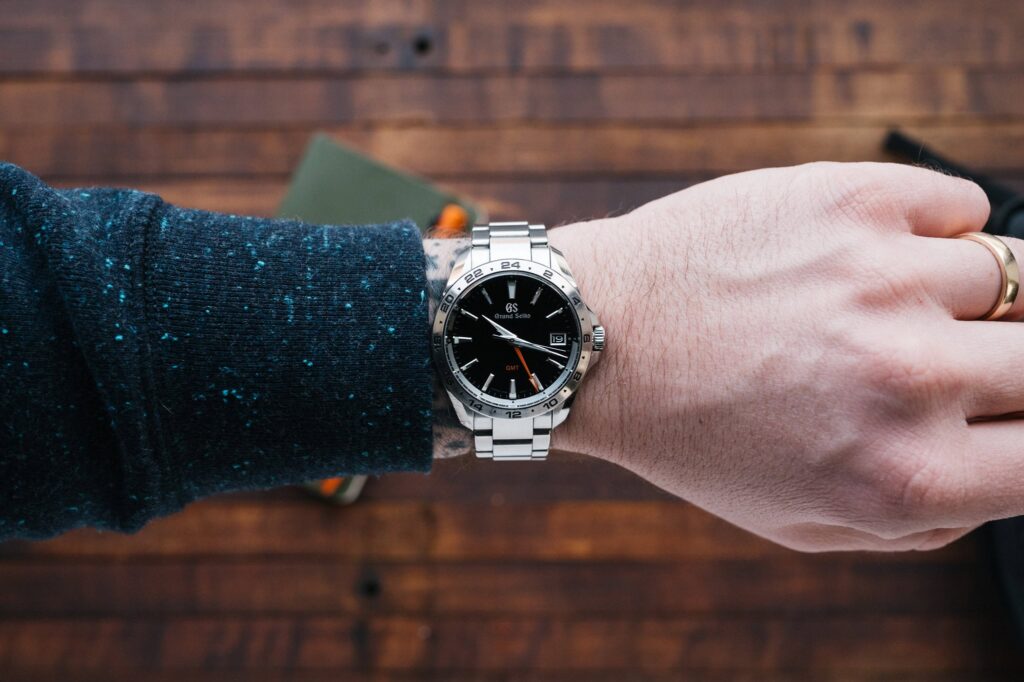
Grand Seiko should no longer be treated simply as another Seiko collection.
Grand Seiko began in 1960 with the ambition of producing an exceptionally precise and refined Japanese watch.
Over time, it evolved into a distinct luxury brand.
Today Grand Seiko competes in international luxury watchmaking using mechanical movements, high-accuracy quartz and its distinctive Spring Drive technology.
Grand Seiko is also known for detailed dial work and highly refined case finishing.
For someone moving through the Seiko world, Grand Seiko may feel like the next destination after premium Seiko.
But organizationally and in terms of brand positioning, it deserves to be understood separately.
And Then There Is Credor
Credor goes even further into specialized Japanese watchmaking.
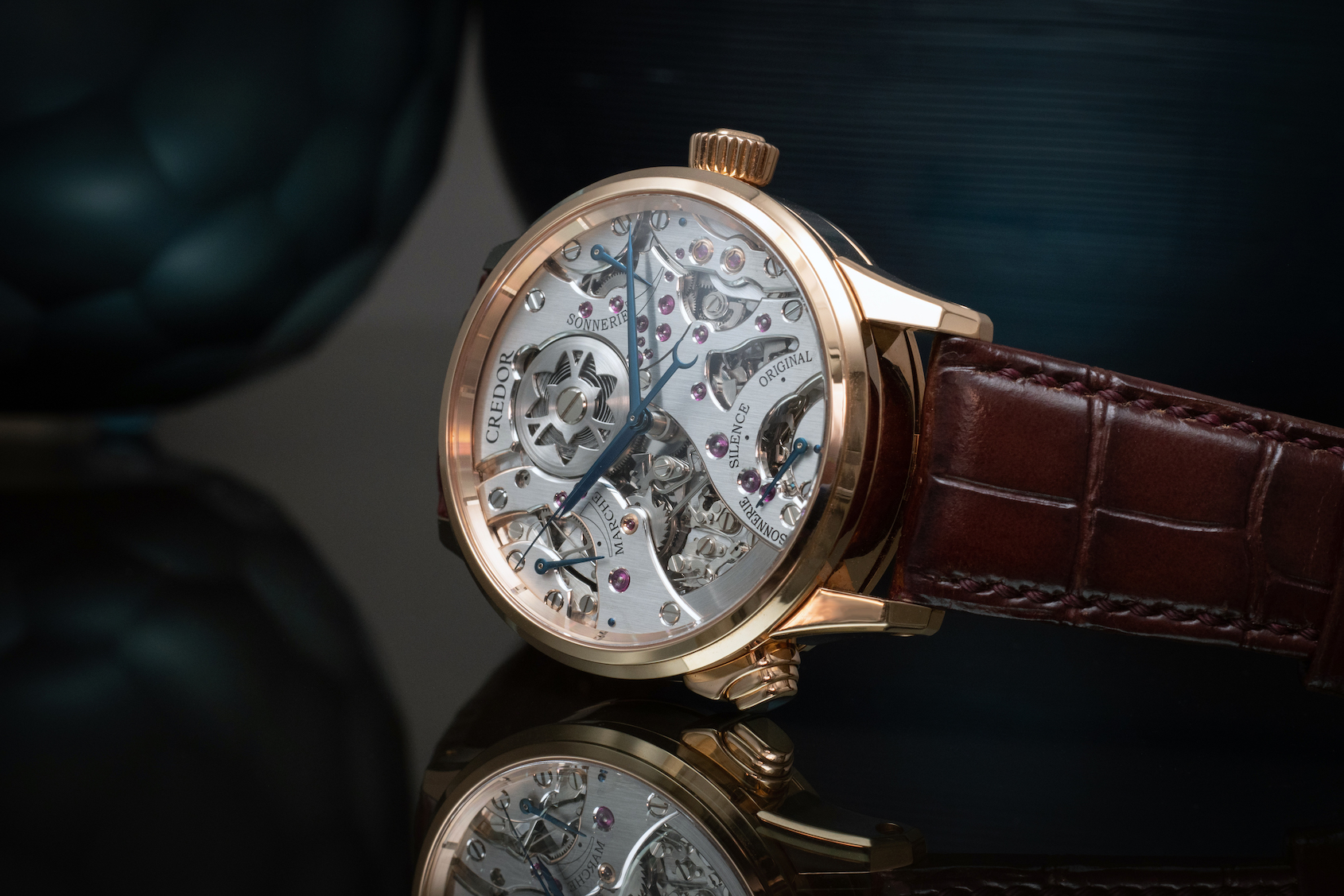
The name was established in 1974 for Seiko’s luxury watches using precious metals. “Credor” derives from the French Crête d’Or, meaning approximately “pinnacle of gold.”
Over time, Credor became associated with extremely refined movements, precious materials, hand craftsmanship and complicated watchmaking.
Credor has produced minute repeaters, sonneries, tourbillons and exceptionally finished watches created with the involvement of Seiko’s elite craftsmen.
Its official history even records an extraordinary ¥220 million jewelry watch produced in 1982.
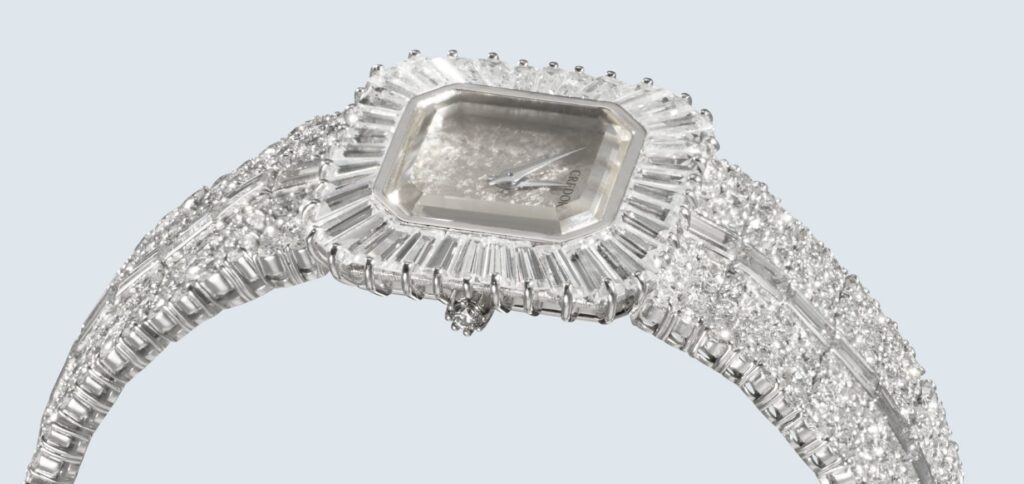
This is far removed from the affordable Seiko that many people first encounter.
And that is precisely what makes the broader Seiko watchmaking story so fascinating.
A Simple Seiko Hierarchy for Beginners
If someone asked me to simplify the Seiko ecosystem, I would explain it this way:
Seiko 5 Sports
Accessible automatic watches and one of the easiest entry points into mechanical Seiko.
↓
Presage
Mechanical watches with stronger emphasis on elegant design and dial craftsmanship.
Prospex
Professional sports, diving and adventure watches ranging from accessible to premium.
↓
King Seiko
Premium heritage-oriented mechanical watches.
Astron
Premium GPS Solar technology with an emphasis on accuracy and travel.
↓
Grand Seiko
A distinct Japanese luxury-watch brand offering mechanical, high-accuracy quartz and Spring Drive watches.
↓
Credor
Highly specialized artistic watchmaking, precious metals and haute-horlogerie-level craftsmanship.
This should be treated as a general guide rather than a strict price chart.
Prospex, Presage, King Seiko and Astron can overlap considerably depending on the model.
Top 5 Most Expensive Watches From the Seiko Watchmaking Family
There is another important qualification here.
The most expensive watches associated with Seiko are not necessarily ordinary production watches carrying “SEIKO” on the dial.
Some are historic jewelry pieces or extremely sophisticated Credor creations.
Original retail prices, limited-edition pricing and later collector values can also be very different.
With that understood, these examples show how far Seiko-related Japanese watchmaking can go.
1. Credor ¥220 Million Jewelry Watch
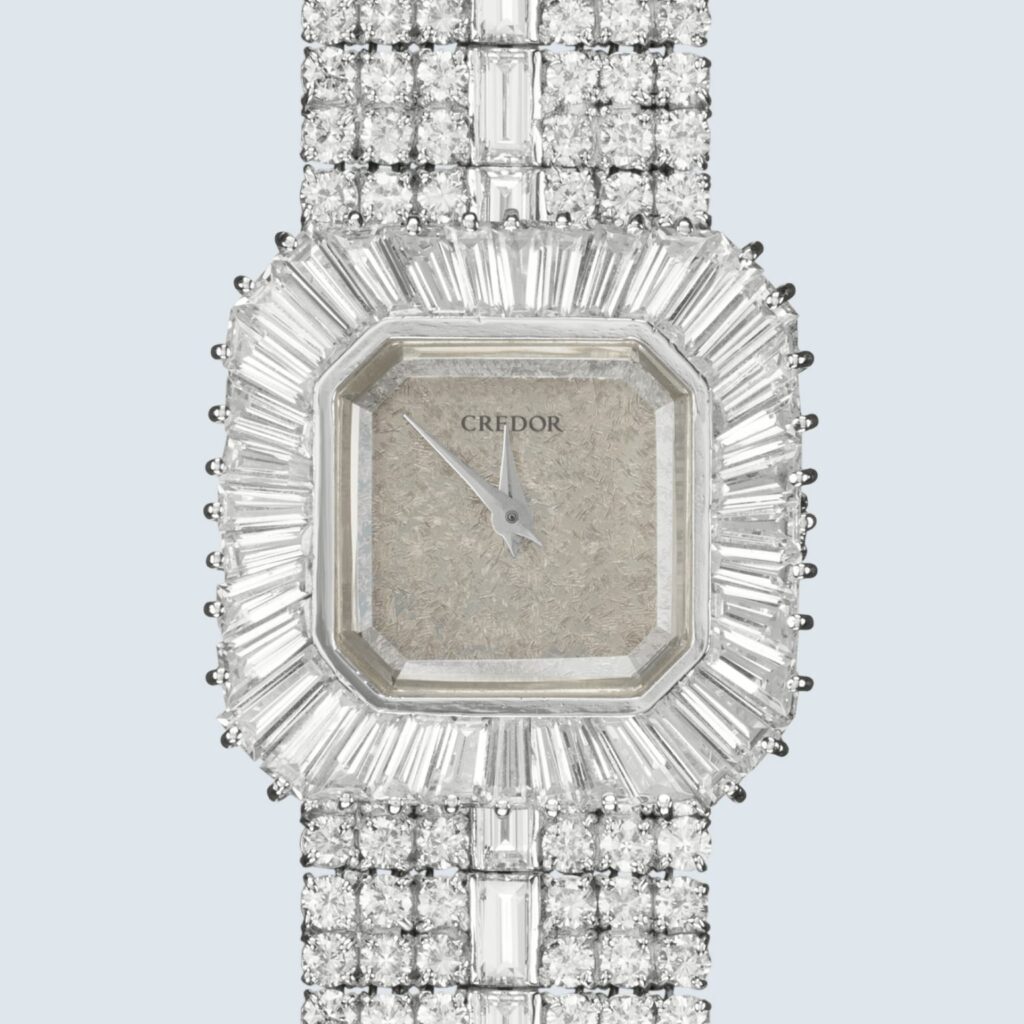
One historical Credor sits in a category of its own.
Credor’s official history records that in 1982, it produced jewelry watches including a model priced at ¥220 million.
That historical price demonstrates something many casual watch buyers do not realize: the Seiko family has participated in ultra-high-end jewelry watchmaking for decades.
This was obviously not an ordinary production Seiko.
It was an extreme expression of precious-material watchmaking.
2. Credor Spring Drive Minute Repeater
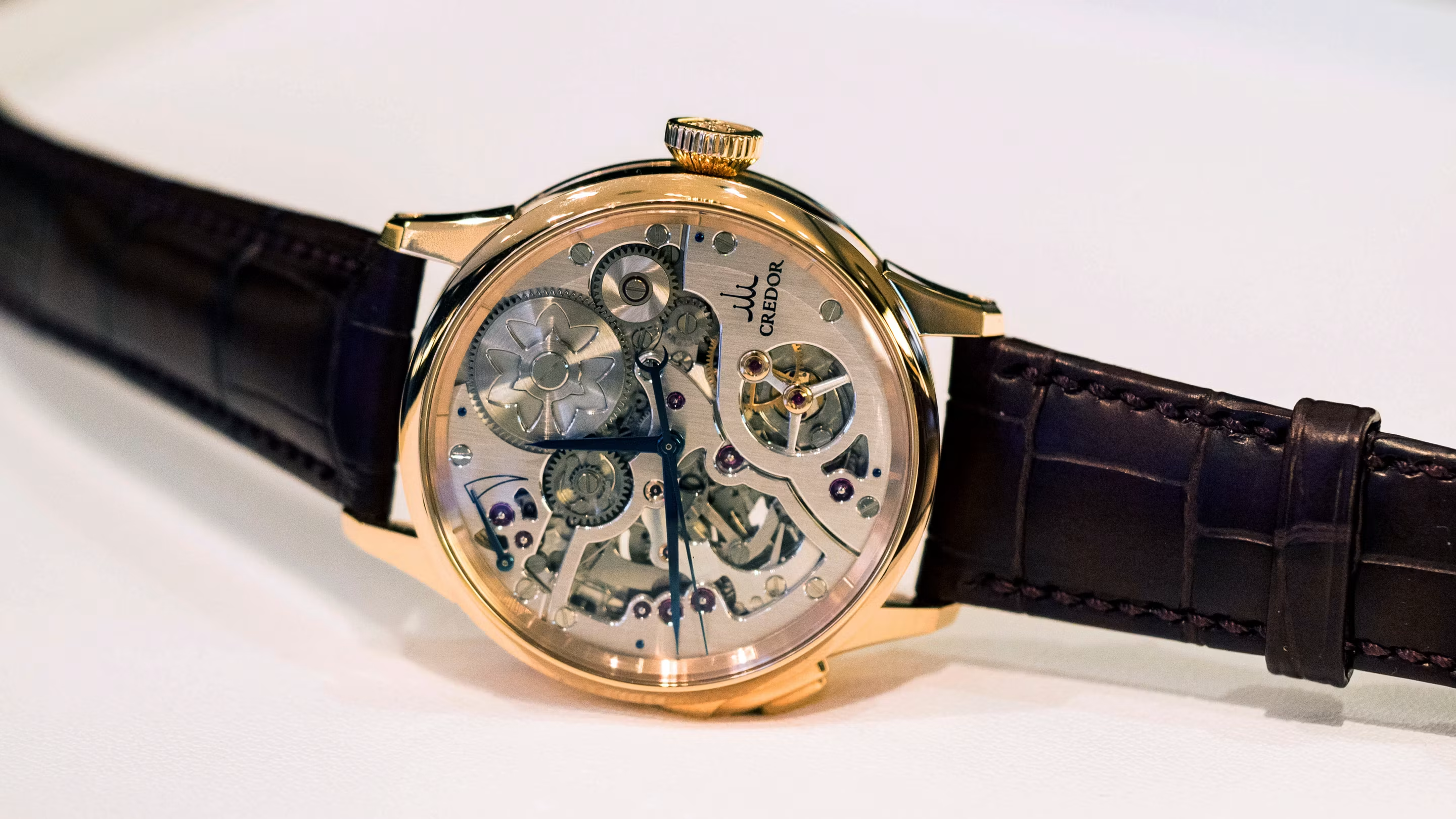
The minute repeater is one of traditional watchmaking’s most prestigious complications.
When activated, a minute repeater indicates the time acoustically using different chimes.
Producing one requires tremendous expertise because the sound, timing, movement architecture and finishing all need to work together.
Credor combined this classical complication with Spring Drive, giving the watch a distinctly Japanese technological identity.
The result demonstrated that Seiko’s finest craftsmen could operate in territory normally associated with Europe’s most prestigious haute-horlogerie manufacturers.
3. Credor Spring Drive Sonnerie
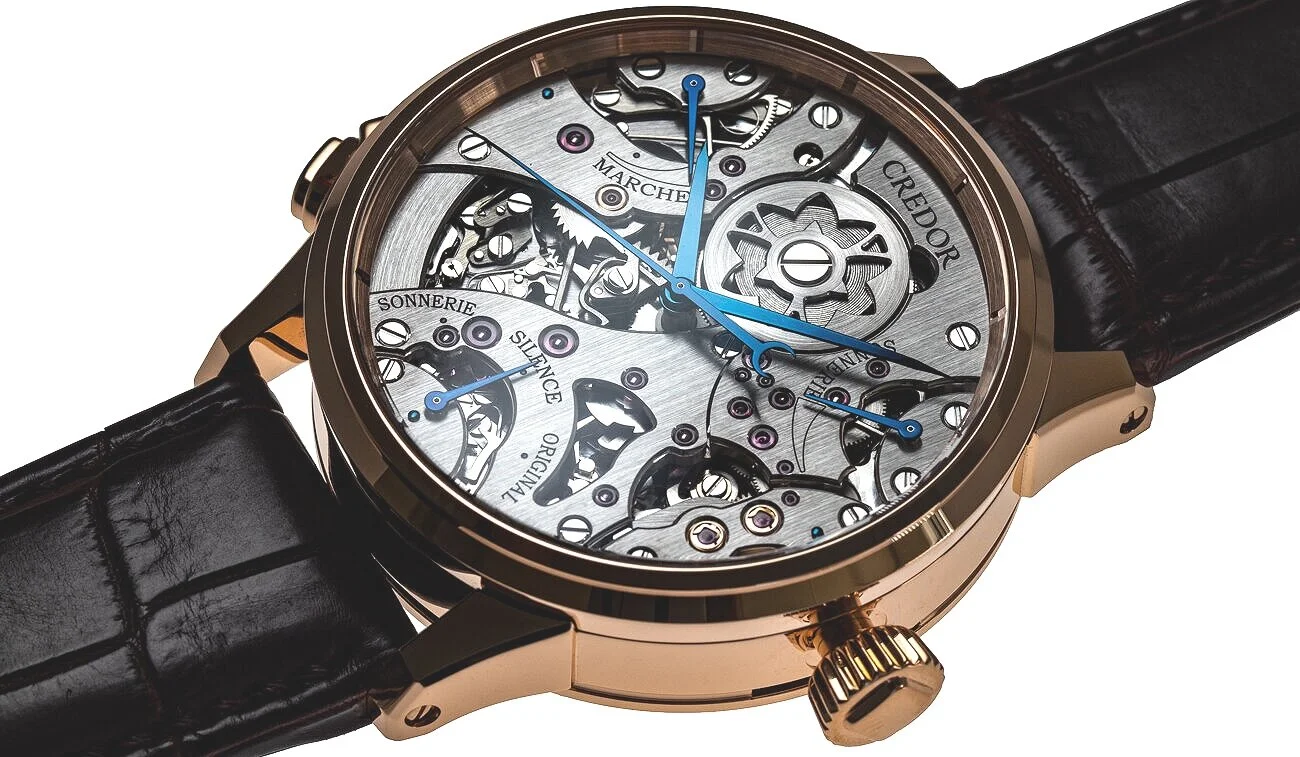
The Credor Sonnerie was another major demonstration of high-end Japanese watchmaking.
A sonnerie uses a mechanical chiming system to indicate time acoustically.
Combining that traditional complication with Spring Drive was important because Seiko was not simply copying historical Swiss watchmaking.
It was incorporating its own technology into a centuries-old watchmaking concept.
4. Credor Fugaku Tourbillon
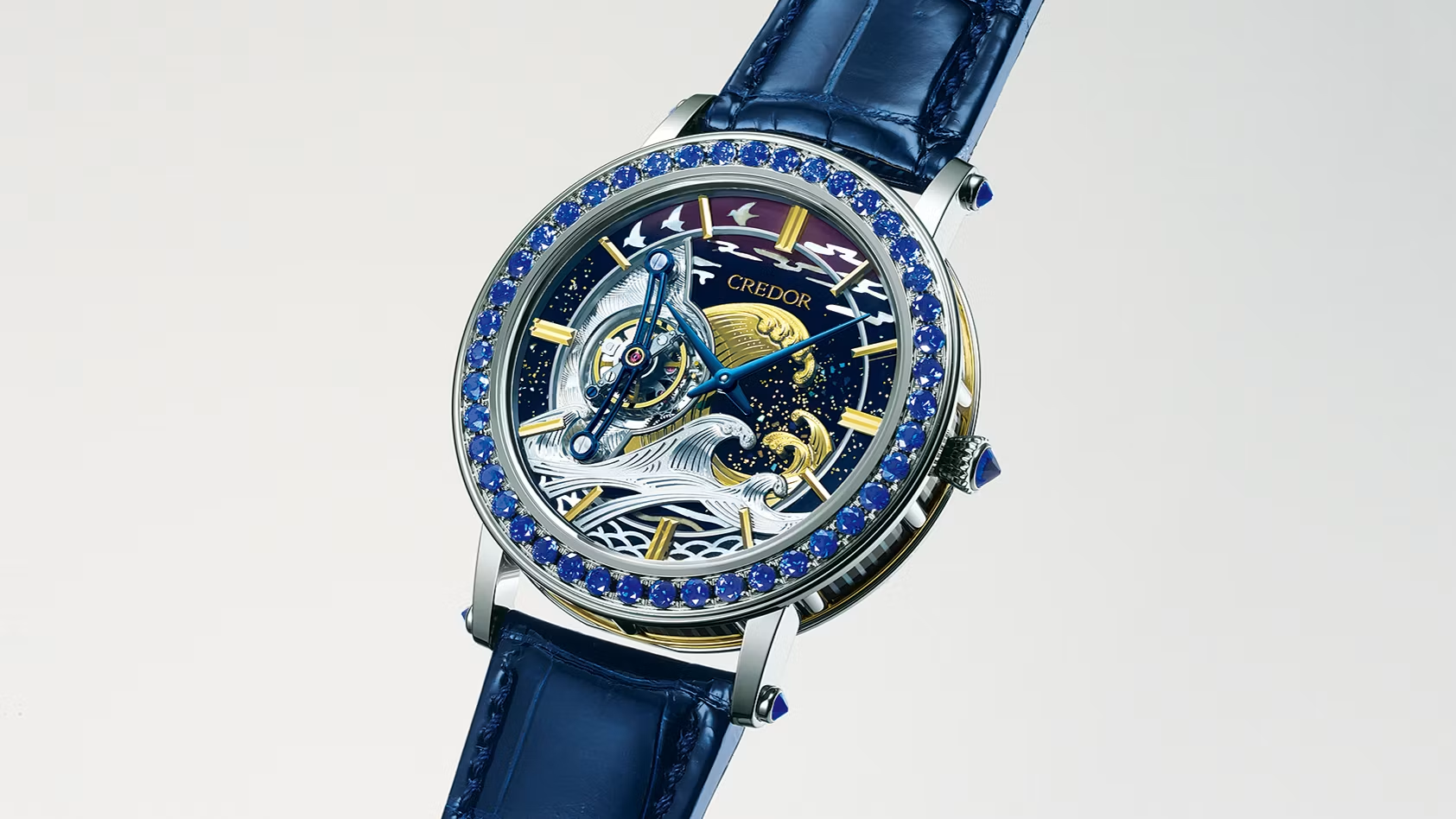
Fugaku demonstrated another level of mechanical ambition.
A tourbillon places part of the escapement inside a rotating cage. Originally conceived to counter positional effects in pocket watches, the tourbillon has become one of mechanical watchmaking’s most recognizable demonstrations of complexity.
Credor combined the mechanism with elaborate Japanese artistic craftsmanship.
That combination of engineering and decoration is what separates pieces like Fugaku from mainstream Seiko production.
5. Credor Eichi II
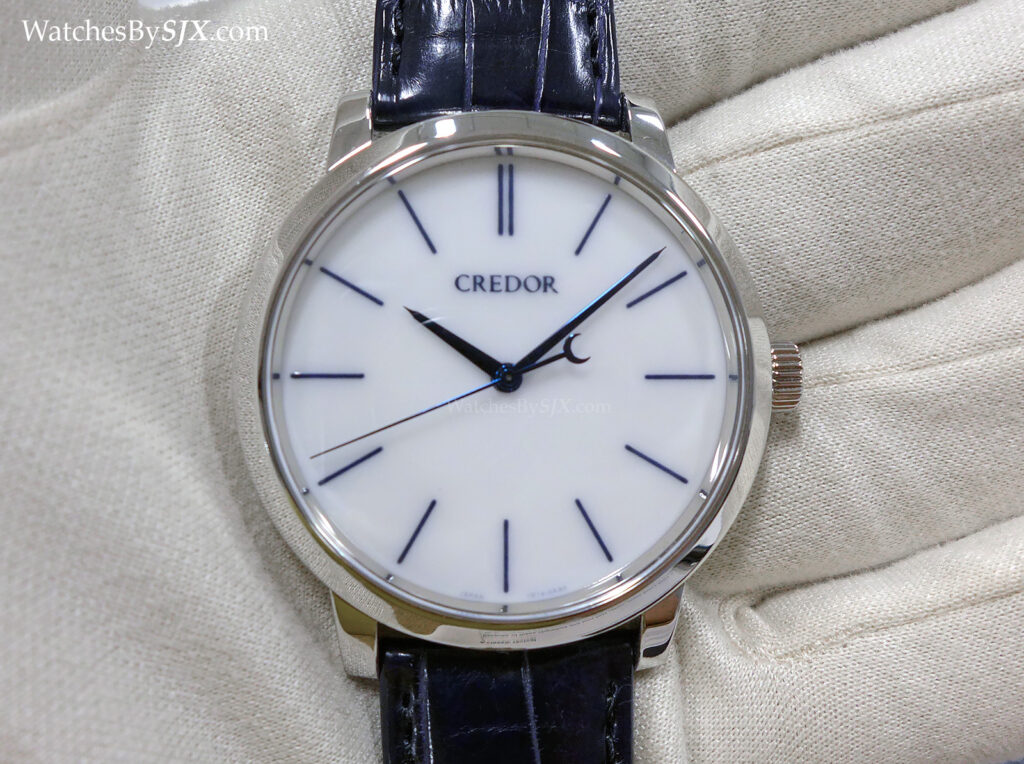
The Credor Eichi II proves that a high-end watch does not need to look complicated.
Its attraction is refinement.
The watch is known for its carefully executed dial, understated appearance and extraordinary movement finishing.
Instead of shouting about its price through a huge case or complicated display, Eichi II represents a quieter philosophy of luxury.
For collectors who appreciate finishing and hand craftsmanship, that restraint is part of the appeal.
Top 5 Most Popular Seiko Watches and Collections
Popularity is harder to measure precisely because Seiko does not publish a universal worldwide sales ranking for every reference.
However, several families have achieved particularly strong recognition among enthusiasts and everyday watch buyers.
1. Seiko 5 Sports
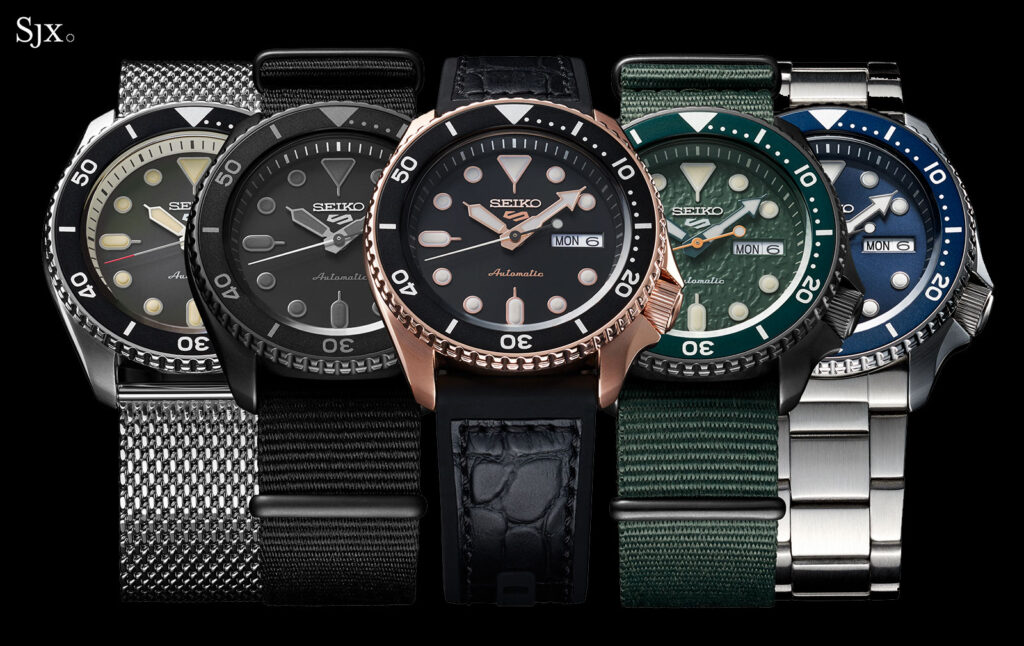
Seiko 5 may be the watch family responsible for introducing more people to affordable automatic Seiko ownership than almost anything else.
Its appeal is straightforward:
You get an automatic movement, recognizable Seiko design and practical everyday construction without paying luxury-watch prices.
For someone curious about mechanical watches but unsure whether they want to spend heavily, Seiko 5 Sports remains one of the most logical places to begin.
2. Seiko Prospex Divers
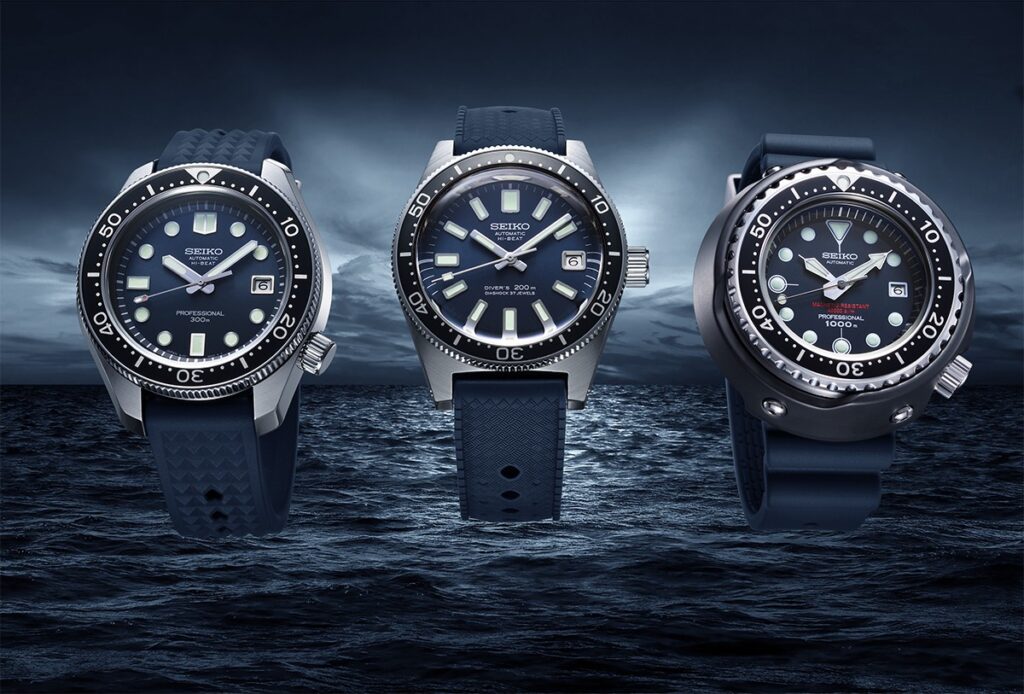
Seiko’s diving watches have an enormous collector following.
The modern Prospex family draws on Seiko’s diving history beginning in 1965.
Models inspired by historic Seiko divers have become particularly popular because they combine vintage design language with modern materials, movements and water resistance.
The Prospex family is also where my own diver fits.
3. Seiko Presage Cocktail Time
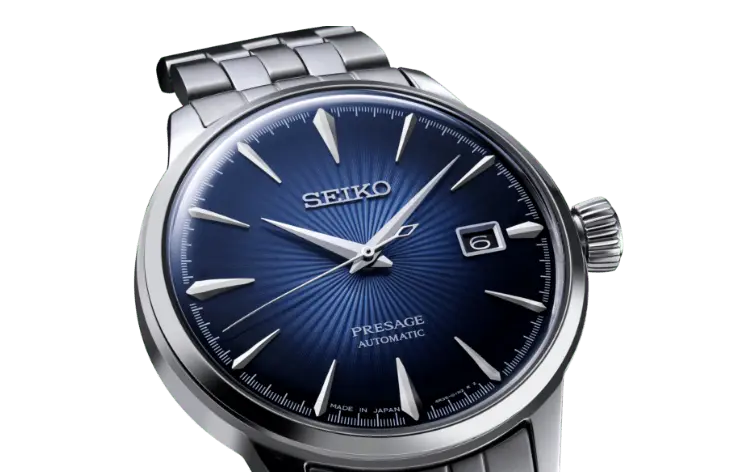
Presage Cocktail Time demonstrates how important a dial can be.
Instead of relying on a famous complication, Cocktail Time became recognizable because of its colors, textures and interaction with light.
These watches often deliver the visual impact people associate with considerably more expensive dress watches.
That combination of affordability and presentation makes Cocktail Time one of Presage’s most recognizable families.
4. Seiko Alpinist
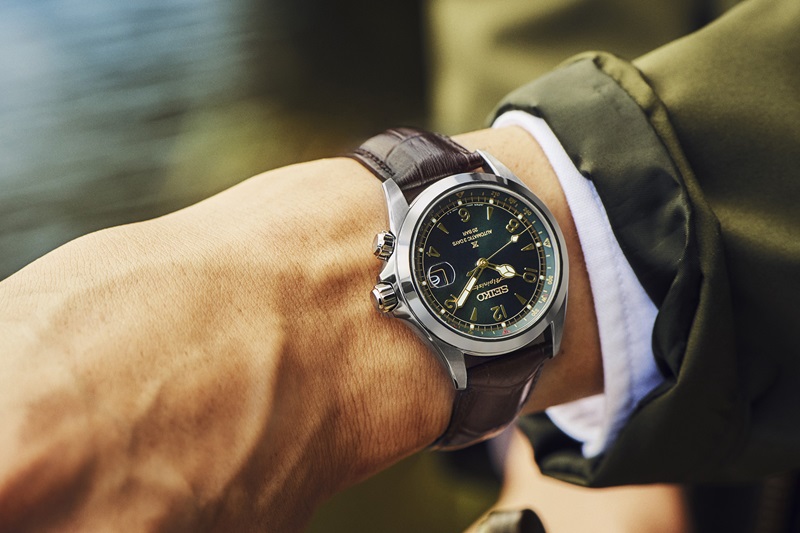
The Alpinist occupies an interesting space between outdoor watch and everyday mechanical watch.
It has developed a loyal following because of its distinctive appearance, relatively versatile proportions and adventure-oriented heritage.
Certain green-dial versions are particularly recognizable among Seiko enthusiasts.
It is sporty without simply being another diving watch.
5. Seiko Prospex Speedtimer
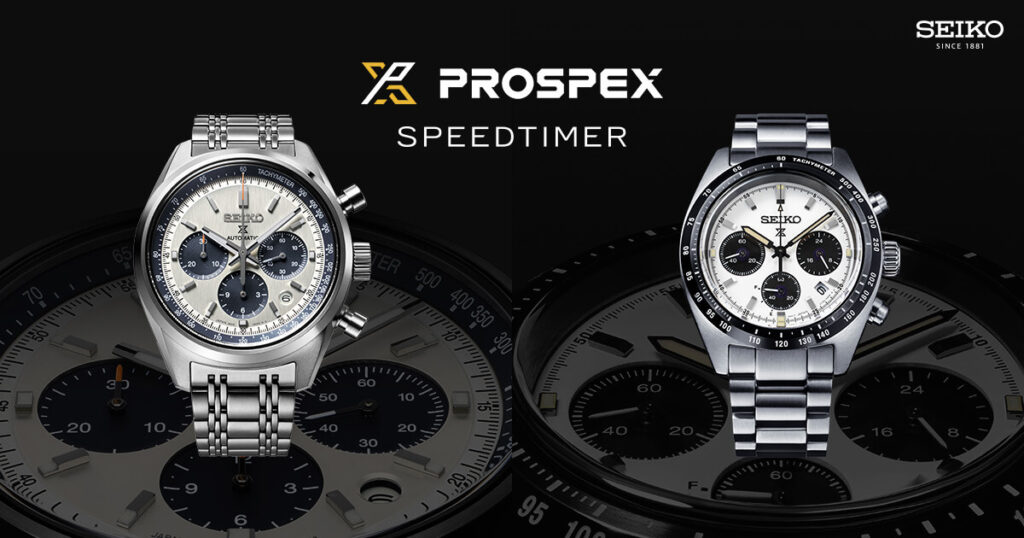
Seiko’s chronograph history gives the Speedtimer collection genuine historical context.
Modern Speedtimer watches draw inspiration from Seiko’s important chronograph development during the late 1960s.
Solar versions have become especially appealing because they combine retro sports styling with modern convenience.
For buyers who want a Prospex but do not necessarily want a diver, Speedtimer provides a strong alternative.
Why Do Serious Watch Collectors Still Buy Seiko?
This is one of the questions I find most interesting.
Someone may already own an expensive Swiss watch and still want another Seiko.
Why?
Because Seiko has its own identity.
A Presage does not need to imitate a Swiss dress watch.
A Prospex does not need to pretend to be a Rolex Submariner or Omega Seamaster.
An Astron does not pretend to be mechanical.
Grand Seiko has developed a design and technical philosophy strong enough to stand as Japanese luxury rather than simply being described as an alternative to Switzerland.
And Seiko gives collectors something interesting at almost every stage.
You might begin with Seiko 5.
Then discover Presage.
Then Prospex.
Then vintage Seiko.
Then King Seiko.
Eventually you may begin looking at Grand Seiko and Credor.
That is how a relatively inexpensive first automatic watch can turn into a lifelong interest in Japanese watchmaking.
Where to Buy Seiko Watches in Tokyo
If I were traveling to Japan specifically to buy a Seiko, Tokyo’s Ginza district would be one of my first destinations.
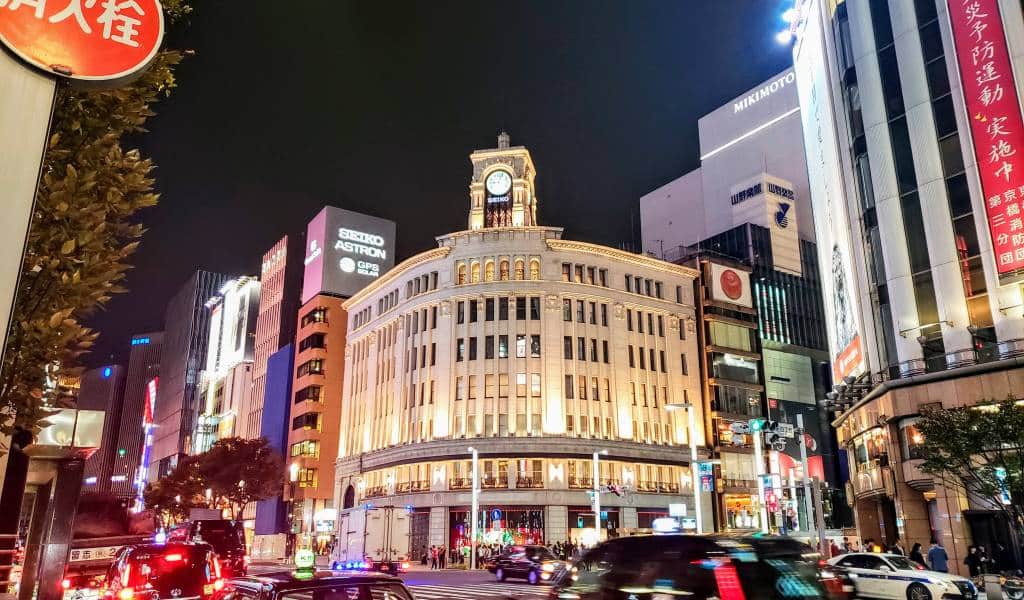
Ginza has deep historical connections with Seiko and remains an important center for the company’s watch retail presence.
Seiko Dream Square
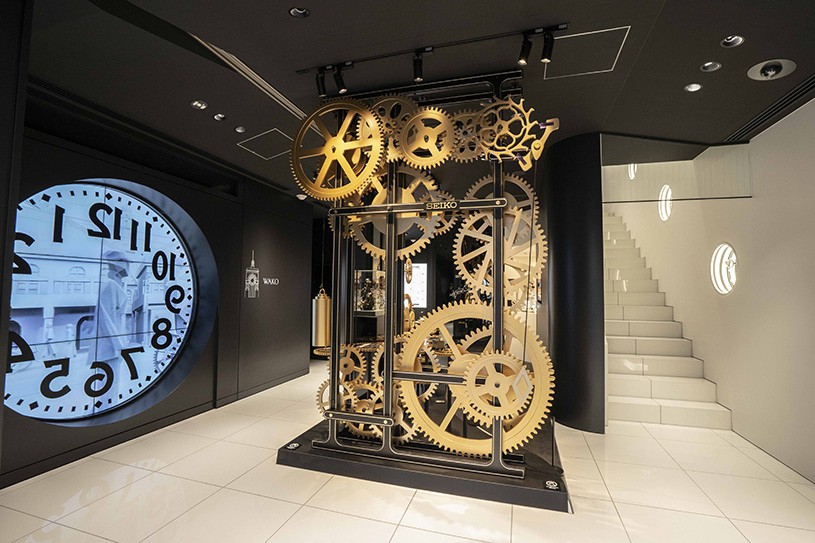
Seiko Dream Square is particularly useful for someone who wants to understand the different Seiko collections before choosing a watch.
Instead of going into a store knowing only one reference, you can compare different sides of the brand.
This is where I would look at Presage, Prospex, Astron and other current Seiko collections.
Grand Seiko Flagship Boutique Ginza
Grand Seiko Boutique Flagship Ginza

For buyers considering true Japanese luxury watchmaking, Grand Seiko’s Ginza presence deserves a separate visit.
It gives you the opportunity to compare mechanical, Spring Drive and high-accuracy quartz models in the environment of the brand itself.
The Seiko Museum Ginza
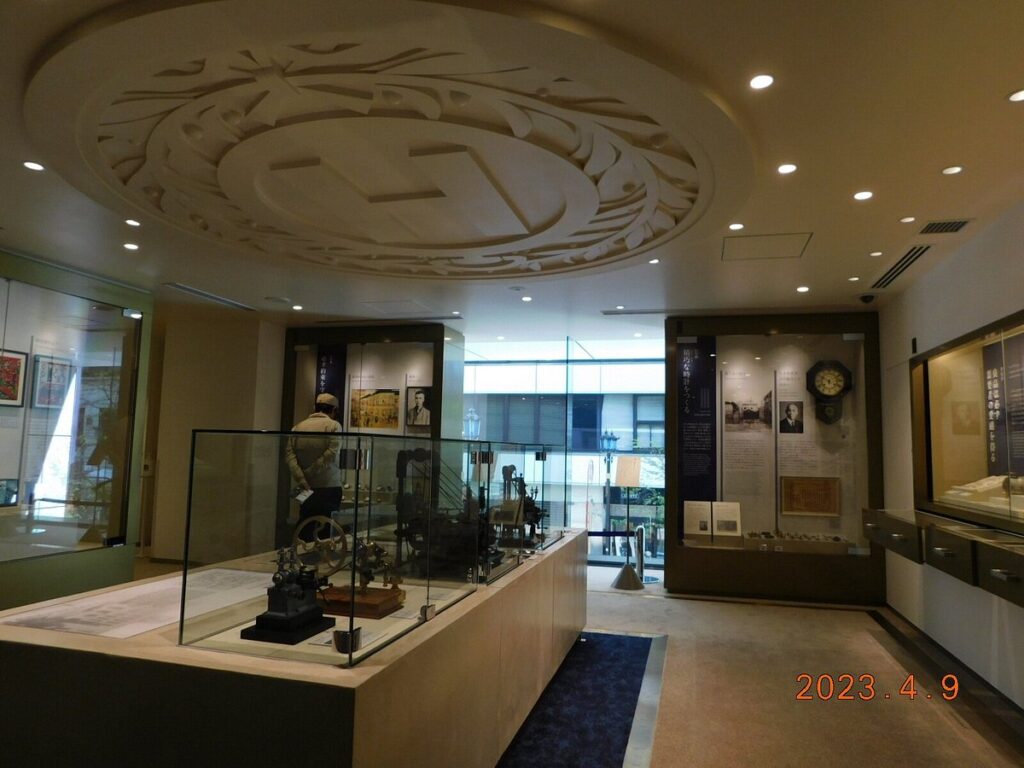
Even if you do not plan to purchase a watch that day, I would include the Seiko Museum.
Understanding Kintaro Hattori, Seikosha, Laurel, Grand Seiko, quartz development and Seiko’s broader technological history makes visiting the boutiques afterward much more interesting.
Where to Buy Seiko Watches in Osaka
Osaka is another excellent city for Seiko shopping—and it has personal significance for me because this is where I purchased my Presage.
Seiko Boutique – Grand Front Osaka
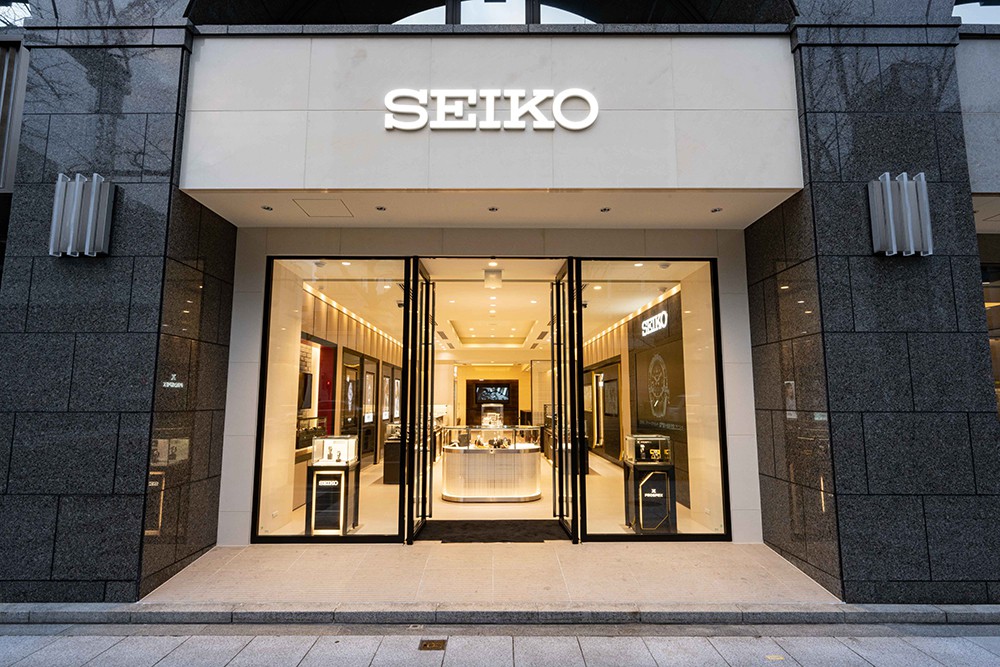
Seiko Boutique – Grand Front Osaka
Grand Front Osaka is particularly convenient because it is located in the Umeda area, one of Osaka’s major transportation and shopping districts.
It is a logical place to compare several Seiko collections during an Osaka trip.
Seiko Boutique Osaka Shinsaibashi
Seiko Boutique Osaka Shinsaibashi
Shinsaibashi is one of Osaka’s best-known shopping districts.
If your itinerary already includes Shinsaibashi and nearby Dotonbori, adding a watch-shopping stop is relatively easy.
Grand Seiko Boutique Osaka Shinsaibashi
Grand Seiko Boutique Osaka Shinsaibashi
For buyers moving beyond regular Seiko into luxury territory, the dedicated Grand Seiko boutique provides a better environment for comparing the brand’s higher-end watches.
Is Buying a Seiko in Japan Worth It?
For a watch enthusiast already traveling to Japan, I think it is.
That does not mean every Seiko will automatically cost less in Japan.
Exchange rates, regional pricing, tax-free shopping eligibility, credit-card conversion rates and warranty conditions can change the final cost.
Selection is often the more interesting reason.
Japan may offer references, boutique editions and configurations that are more difficult to find elsewhere.
But there is also an emotional side to buying a Japanese watch in Japan.
That is something I understand personally.
My Personal Seiko Experience: Presage From Osaka and Prospex From Makati
My appreciation for Seiko is not based entirely on reading its history or studying specifications.
I personally own two Seiko automatic watches, and each one represents a different side of the company.
The first is my Seiko Presage Automatic, which I bought in Osaka, Japan.
The second is my Seiko Prospex Automatic Diver’s 200m, which I purchased in Makati, Metro Manila, Philippines.
I originally thought of my second watch as a Seiko 5 Automatic, but after examining the watch itself more carefully, the Prospex logo and “DIVER’S 200m” marking identify it as part of the Prospex family.
That actually makes comparing my two watches even more interesting.
One represents Seiko’s elegant mechanical side.
The other represents its professional sports-watch heritage.
My Seiko Presage Automatic From Osaka, Japan
My Presage has additional personal meaning because I purchased it while traveling in Osaka.
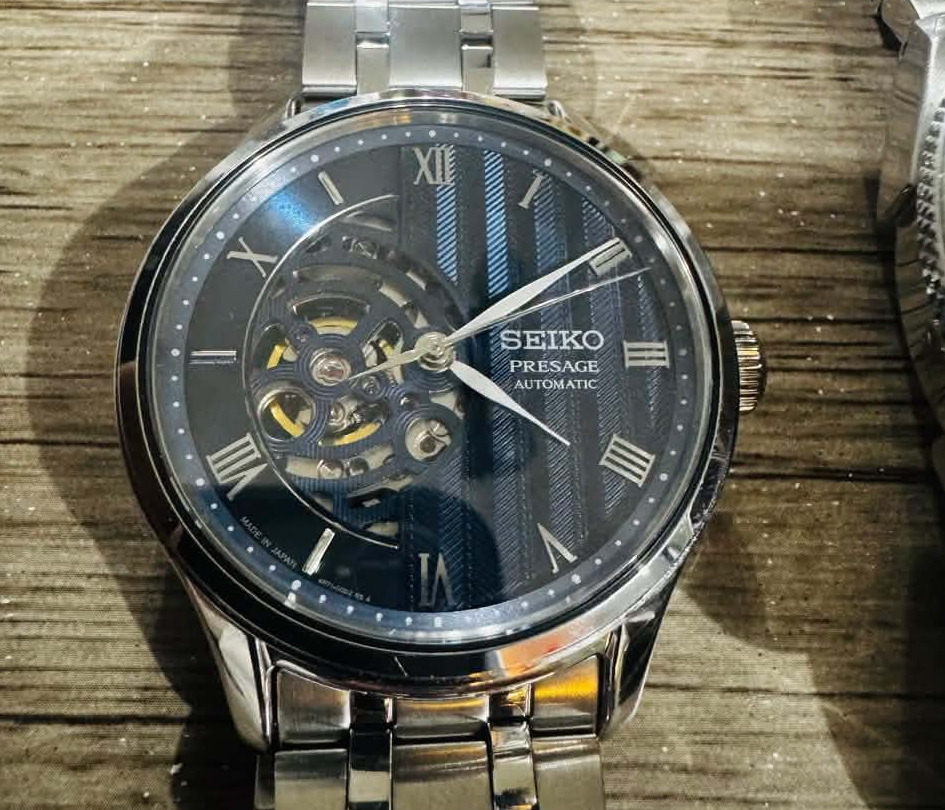
Buying a Japanese mechanical watch while actually visiting Japan creates a connection that specifications alone cannot provide.
The first feature that stands out on my Presage is its open-heart dial.
Part of the mechanical movement remains visible through an opening in the front of the watch.
I enjoy this because it gives the watch a sense of movement even when I am simply looking at the dial.
You can actually see part of the mechanism operating.
The dark dial also uses a textured pattern, Roman numerals and polished hands, giving it a noticeably more formal personality than my Prospex.
The Automatic Movement Inside My Presage
Turn the watch over and another important feature appears.
My Presage has a transparent exhibition caseback.
Instead of hiding the movement behind solid steel, the caseback lets me see the automatic rotor and part of the mechanical movement.
The movement is marked 24 jewels.
The word “jewels” can sound decorative, but watch jewels serve an engineering purpose.
Mechanical movements contain many components that constantly interact with each other. Synthetic ruby bearings are used at important friction points to reduce wear and allow parts to move efficiently.
The oscillating rotor is equally interesting.
As I move my wrist throughout the day, the rotor moves and helps wind the watch’s mainspring.
That stored mechanical energy keeps the watch operating.
This is part of the attraction of automatic watches for me.
A quartz watch can be more accurate.
My phone can obviously tell me the time.
But neither provides the same mechanical experience.
Why My Presage Works as a Dressier Watch
The Presage fits naturally with business wear, dinners and occasions when I want something more refined on my wrist.
The open-heart design gives it visual interest without turning it into a sports watch.
Its polished surfaces, Roman numerals, stainless-steel bracelet and dark dial also give it a more formal character.
This is exactly what Presage does well as a collection.
It allows Seiko to explore decorative dial design and traditional mechanical watchmaking without forcing the buyer immediately into luxury-watch pricing.
For me, however, the most valuable part is still the story.
I bought this Seiko in Osaka.
Every time I wear it, I can associate the watch with traveling in Japan rather than simply remembering the day I ordered something online.
That makes the Presage personal.
My Seiko Prospex Automatic Diver’s 200m From Makati
My second Seiko has an entirely different personality.
I purchased my Seiko Prospex Automatic Diver’s 200m in Makati, Metro Manila.
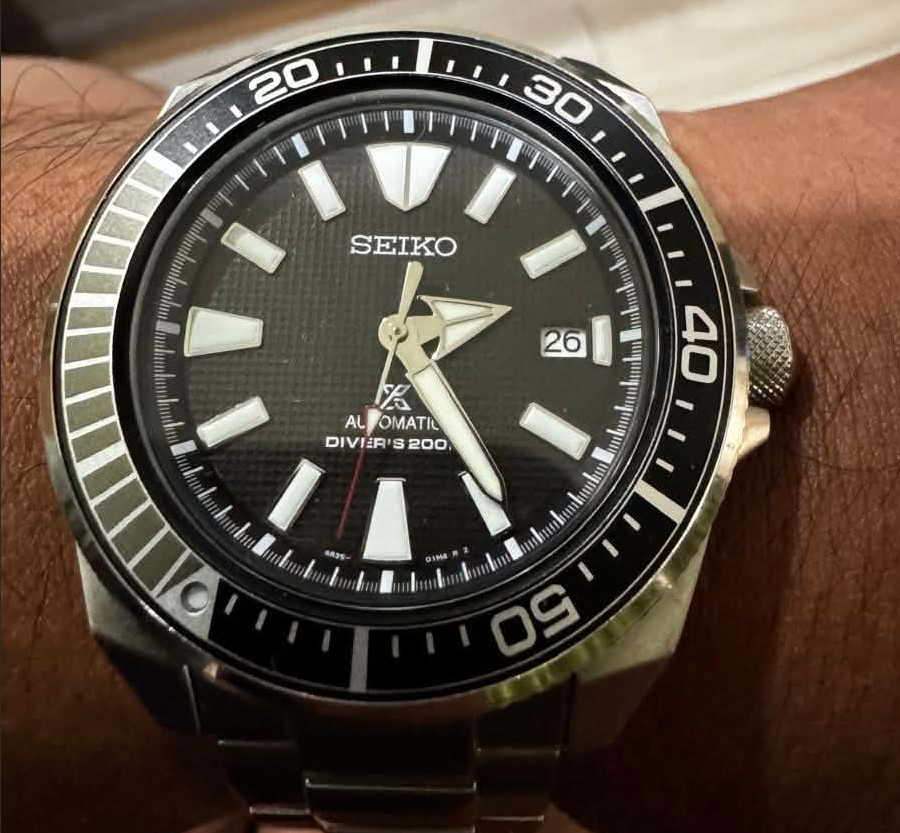
Where my Presage is polished and dress-oriented, the Prospex looks and feels like a tool watch.
The stainless-steel case is larger and more angular.
It has substantial luminous hour markers, highly visible hands, a date window and a prominent rotating diving bezel.
The design is commonly associated by Seiko enthusiasts with the “Samurai” family, a collector nickname inspired by the sharp, angular appearance of the case and hands.
Put the Prospex beside my Presage and you would immediately understand why Seiko cannot be described as producing one type of watch.
They look as though they were created for completely different environments.
And they were.
What “Diver’s 200m” Means on My Prospex
The most important marking on the dial is:
DIVER’S 200m
That distinguishes it from a watch that merely borrows the visual appearance of a diving watch.
Prospex is Seiko’s professional sports family, and diving is one of the most important parts of Seiko’s heritage.
The rotating bezel has a practical function.
A diver can use it to monitor elapsed time underwater. Even outside diving, I can use it as a simple mechanical timer.
The large hands and hour markers are also practical.
A diving watch needs to remain easy to read quickly and under difficult lighting conditions.
That explains the strong luminous material and uncomplicated display.
For normal daily ownership, the specifications provide another benefit.
They make the watch feel dependable.
I do not need to dive anywhere near 200 metres to appreciate strong water resistance, robust construction and a watch designed around durability.
The Automatic Movement in My Prospex
The markings visible on my watch indicate that it belongs to Seiko’s 4R35-powered family.
The 4R35 is a mechanical automatic movement that also supports manual winding and hacking seconds.
Hacking means that the seconds hand can stop when I pull the crown into the appropriate time-setting position, allowing more precise synchronization.
The movement offers approximately 41 hours of power reserve.
As with my Presage, movement of my wrist helps wind the mainspring through the automatic rotor.
That gives both watches a common mechanical foundation even though their designs and intended uses are completely different.
My Presage vs. My Prospex
Having these two watches has helped me appreciate Seiko’s philosophy much more clearly.
| Feature | My Seiko Presage | My Seiko Prospex |
| Purchased | Osaka, Japan | Makati, Metro Manila |
| Type | Elegant automatic | Automatic diver |
| Primary purpose | Dress/smart everyday watch | Sports and diving |
| Dial | Open-heart, textured, Roman numerals | High-legibility dive dial |
| Movement | Automatic, 24 jewels visible through caseback | 4R35-family automatic |
| Bezel | Fixed dress-watch design | Rotating dive bezel |
| Water specification | Everyday/dress orientation | Diver’s 200m |
| Character | Refined | Rugged |
| Best use for me | Business, dinners and formal occasions | Daily wear, travel and outdoor activities |
| Collection | Presage | Prospex |
I do not consider one automatically better than the other.
They solve different problems.
My Presage is the watch I prefer when I want elegance and visible mechanical character.
My Prospex is what I prefer when I want something tougher, sportier and better suited to travel or outdoor use.
Where Seiko 5 Fits Into My Experience
Although the watch I bought in Makati turned out to be a Prospex rather than a Seiko 5, I still think Seiko 5 Automatic deserves an important place in this article.
For many people, Seiko 5 is where the journey begins.
It provides an accessible introduction to mechanical watch ownership.
You can experience an automatic movement, Seiko design and the personality of a mechanical wristwatch without immediately paying for Presage, Prospex, King Seiko or luxury-level watches.
That makes Seiko 5 one of the most important parts of the brand’s success.
And it helps explain the progression:
Seiko 5 introduces you to automatic watches.
Presage shows you a more elegant side of mechanical Seiko.
Prospex introduces professional sports-watch specifications.
King Seiko takes you further into mechanical heritage.
Astron demonstrates Seiko’s technological capabilities.
Then Grand Seiko and Credor show just how far Japanese watchmaking can go.
What Owning Two Seiko Watches Has Taught Me About the Brand
Before owning these watches, it was easy to look at Seiko mainly through specifications.
Movement.
Power reserve.
Water resistance.
Jewels.
Case size.
Price.
Those things still matter.
But owning the watches adds another dimension.
My Presage reminds me of Osaka and my time in Japan.
My Prospex reminds me of buying another Japanese automatic watch back home in Makati.
One is elegant.
One is rugged.
One exposes part of its movement through the dial and caseback.
The other surrounds its mechanical movement with the practical features of a 200-metre diver.
Yet both unmistakably belong to the same watchmaking tradition.
That is probably the clearest explanation I can give for why Seiko remains so popular.
Seiko gives people room to grow.
You can buy your first automatic Seiko without spending a fortune. Years later, you can still explore parts of the same watchmaking world that are more technical, more artistic, more historically significant or considerably more expensive.
My Presage and Prospex occupy only two parts of that enormous range.
But they have already shown me why Seiko has built such a loyal following among watch owners around the world.
For me, Seiko is no longer simply a Japanese watch company I have researched.
It is a brand I actually wear—and each of my watches has its own story.