
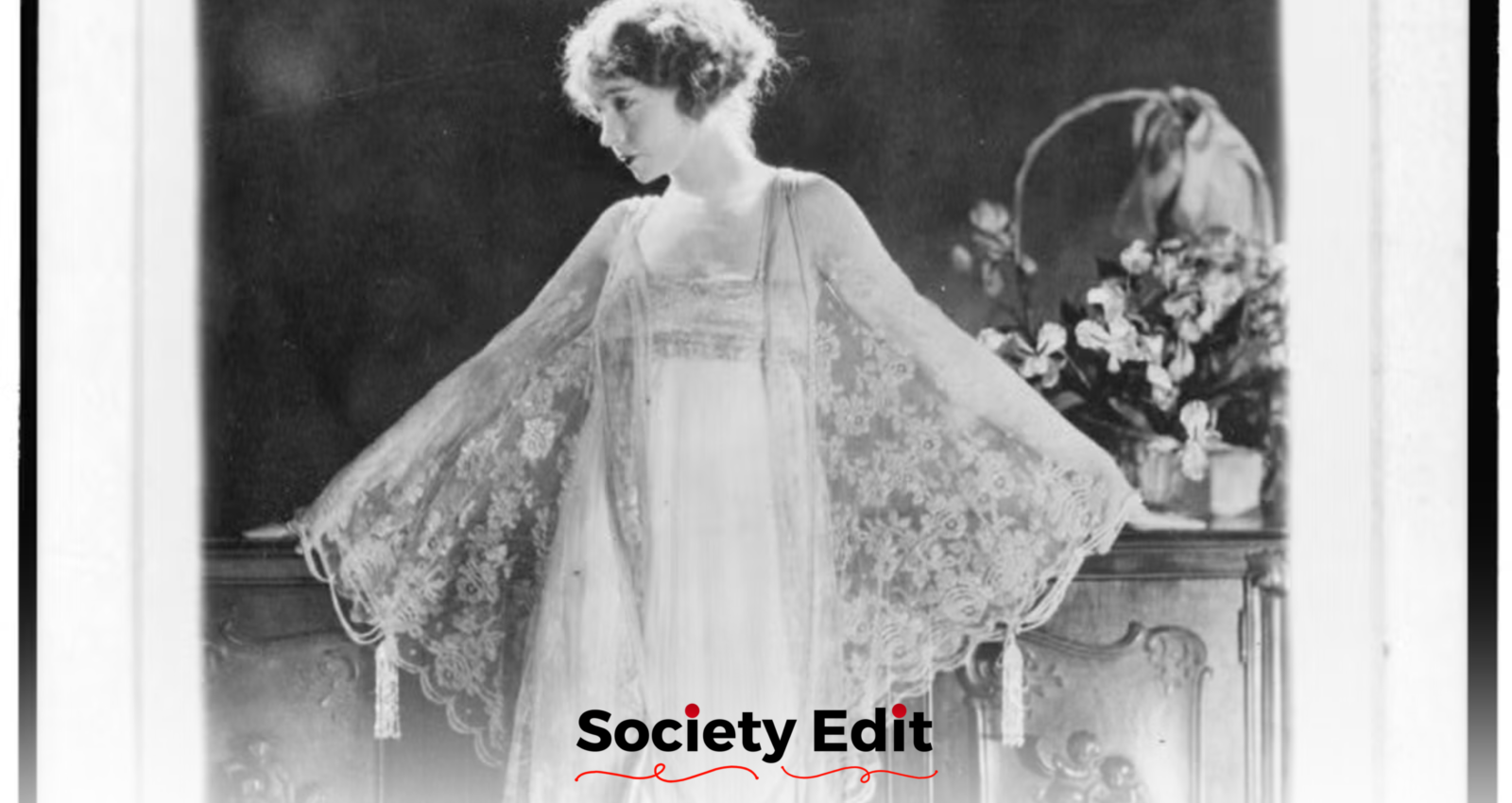
I’m a fashion content writer based in Asia, and have always been fascinated by how fashion mirrors the culture and creativity of a certain time. There is one period that deserves more attention, that of the silent film era, where clothing was an integral part of the image of the early movie stars. The new exhibition, Goddesses in the Machine: Fashion in American Silent Film, offers an interesting glimpse into this fascinating moment in the history of fashion and film.
The Bard Graduate Center Gallery exhibition explores the intersection of fashion and American silent cinema through nearly 200 objects. The collection includes clothing, accessories, jewelry, photographs, and other items related to the early film industry. Stars such as Mary Pickford, Lillian Gish and Clara Bow (among others) appear, and their styles help shape the public image of early Hollywood and American celebrity culture.
The Style That Made Silent Films More Powerful
What fascinates me about this period is how much attention is paid to details of dress. Black and white, silent movies had costumes that had to say character, personality, status, and emotion by the way they looked. Embroidery, beads, rhinestones, fabrics, shapes and accessories can make a huge difference on screen.
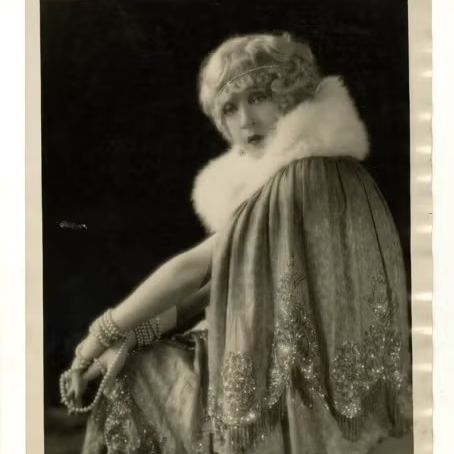
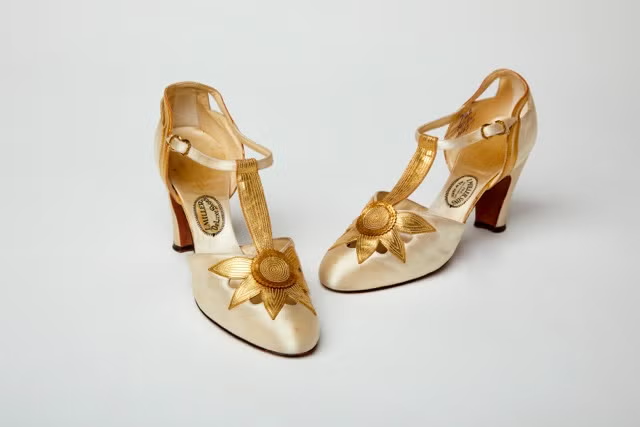
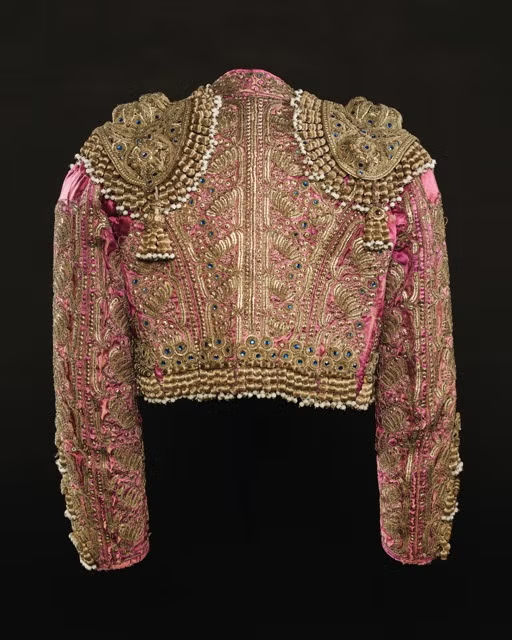
The exhibition includes examples of the glamorous styles of the silent-film stars, such as embellished dresses, decorated shoes, feathered hats, jewelry and other statement pieces. There are also more everyday clothing items like white shirts and long skirts, showing that silent film fashion was not all about lavish costuming.
Designers like Lucile, Lady Duff Gordon, and Madame Francis also appear in the story. Their work shows how fashion designers and costume makers contributed to the visual identity of performers during the early years of the film industry.
Tracing the Origins of Hollywood Glamor
Another thing I see is the close relationship between actors and their clothes. In the early days of the cinema performers had more direct say in their choice of clothing. Some wore their own clothes, some had worked with designers they personally liked. This created a strong connection between the actor’s personal style and the look of his characters.
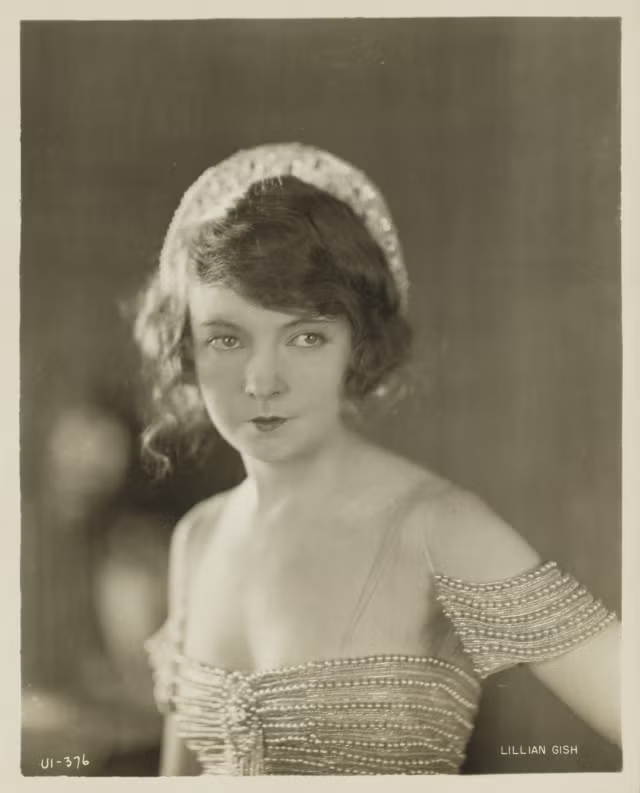
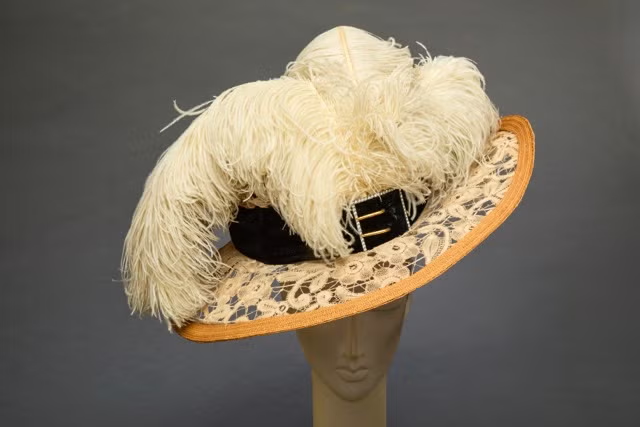
The exhibition is especially valuable because the garments from this period are often fragile. Fine silks, embroidery, sequins, rhinestones and other trimmings are hard to preserve and that is why there are relatively few surviving original pieces. Today, the opportunity to see these objects provides a rare glimpse into how fashion looked and operated during the silent film era.
For me, Goddesses in the Machine is a reminder that the history of fashion is inseparable from the history of entertainment. The exhibition provides an alternative view of early cinema and how clothes helped to create the glamor and visual language that would become synonymous with Hollywood.
“Goddesses in the Machine: Fashion in American Silent Film” is on view at the Bard Graduate Center Gallery through January 3, 2027.