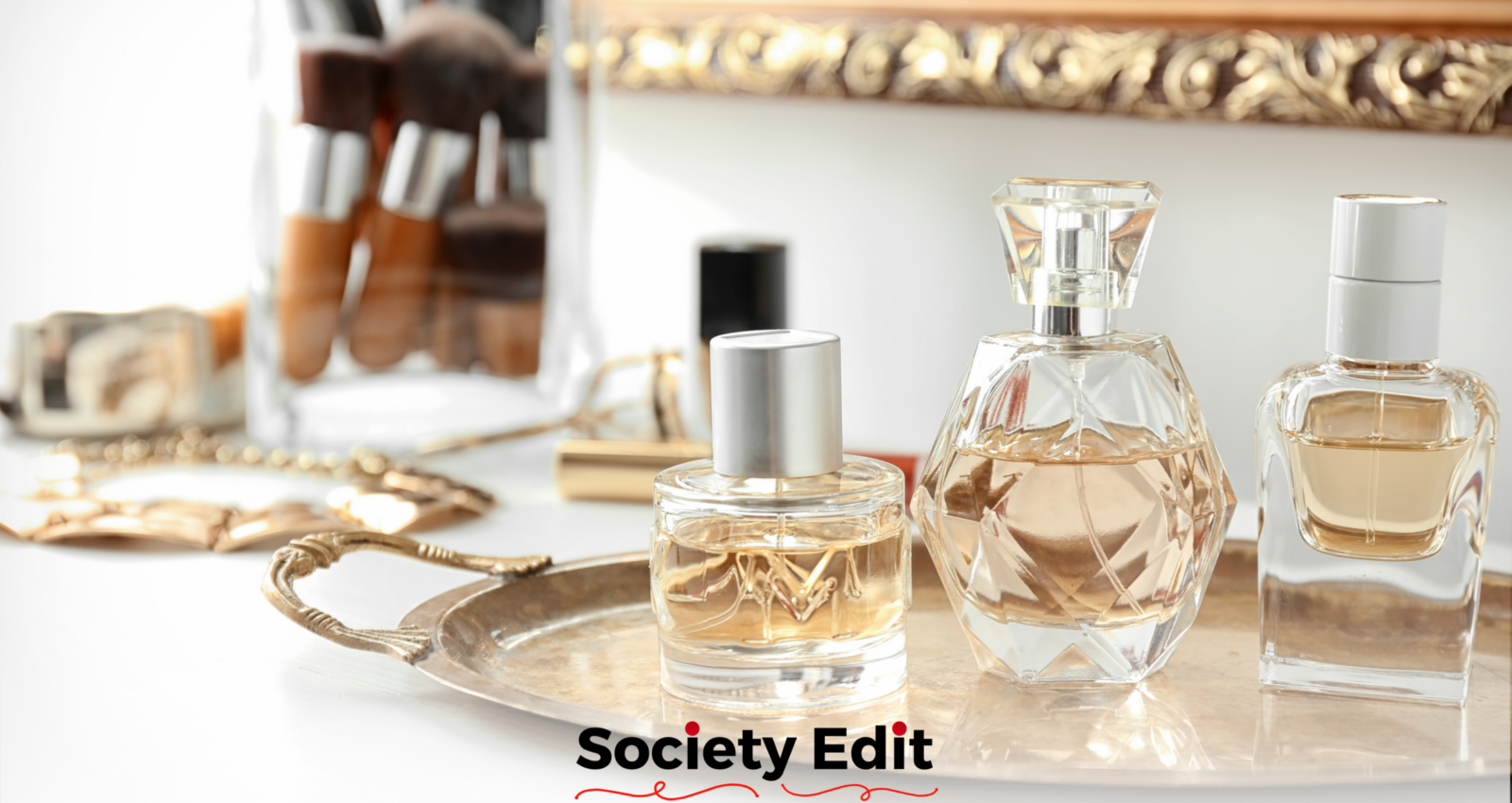
Perfume has always occupied an unusual place in luxury.
Unlike a watch, diamond necklace, or handbag, fragrance is almost invisible. You apply it to the skin, walk out the door, and much of its beauty exists only in the memory of the people who smell it.
Yet at the extreme end of perfumery, a bottle can cost more than a luxury car—or even a house.
I have always found that side of perfume fascinating because the price is rarely about fragrance alone. In some cases, the perfume contains exceptional concentrations of rare sandalwood, jasmine, oud, rose, iris, or amber-style materials. In others, most of the extraordinary value comes from the bottle: Baccarat crystal, gold, rubies, sapphires, and thousands of diamonds.
That distinction matters.
A $1 million bottle of perfume does not necessarily mean the liquid inside is hundreds of times more sophisticated than a $1,000 parfum. It may instead be a combination of fine fragrance, jewellery making, glassmaking, rarity, and collector appeal.
The following selection brings together 15 of the most expensive and extravagant perfume editions ever publicly offered or reported. Prices are historical launch, sale, or collector prices and should not be treated as current retail quotations because many of these editions were one-offs or extremely limited releases.
1. SHUMUKH by The Spirit of Dubai – About $1.295 Million
Company: The Spirit of Dubai, part of Nabeel Perfumes Group
Origin: United Arab Emirates
Released: 2019
Company founder: Asghar Adam Ali, founder of Nabeel Perfumes in 1969
Reported price: Approximately $1.295 million
Publicly confirmed famous wearer: None disclosed; the piece was created primarily as a collector’s masterpiece
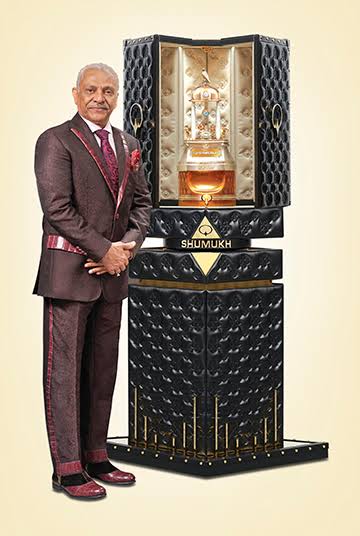
If one fragrance demonstrates how perfume can cross into the world of fine jewellery, it is SHUMUKH.
The Spirit of Dubai unveiled SHUMUKH in Dubai in 2019 as an enormous luxury installation rather than a conventional bottle sitting on a dressing table.
Guinness World Records confirms that the bottle contains 3,571 diamonds, establishing a record for the greatest number of diamonds set on a perfume bottle. It was designed by Asghar Adam Ali Ibrahim and displayed at Dubai Mall. Guinness reported its value at approximately $1.295 million.
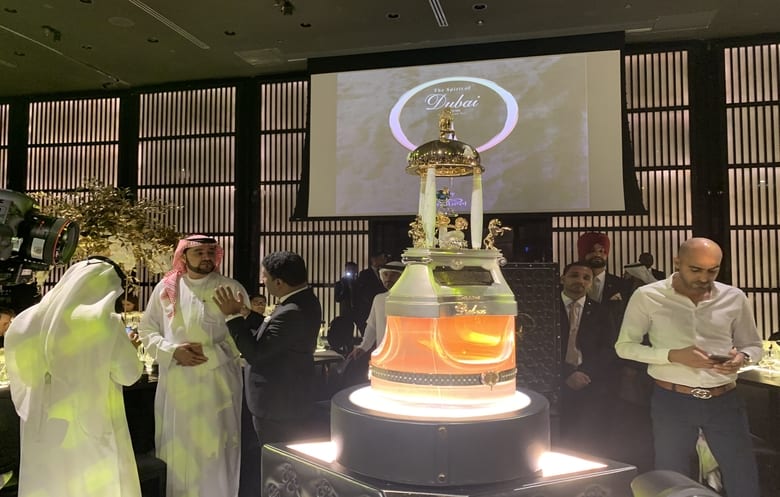
The fragrance and its presentation were designed to represent elements of Dubai and Arabian culture, including pearl diving, Arabian horses, falconry, hospitality, roses, and the city’s modern identity.
The story behind the company is equally relevant. Nabeel says that Asghar Adam Ali founded the business in 1969, initially conceptualising the brand in Yemen before developing it into the fragrance group associated today with the UAE.
SHUMUKH reportedly contains ingredients such as sandalwood, musk-style accords, amber, Turkish rose, patchouli, frankincense and Indian agarwood.
But make no mistake: the seven-figure valuation is driven heavily by the artwork surrounding the perfume.
This is jewellery, sculpture and perfumery combined.
2. DKNY Golden Delicious Million Dollar Fragrance Bottle – $1 Million
Company: DKNY / Donna Karan
Origin: United States
Released: 2011
Brand founder: Donna Karan
Reported price: $1 million
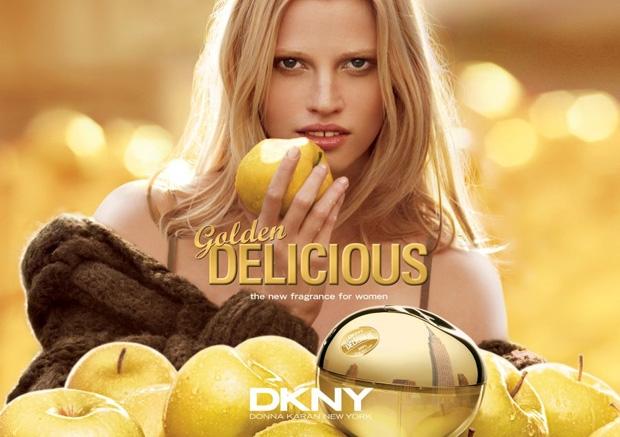
Public association: Model Lara Stone was used as a face associated with the Golden Delicious fragrance
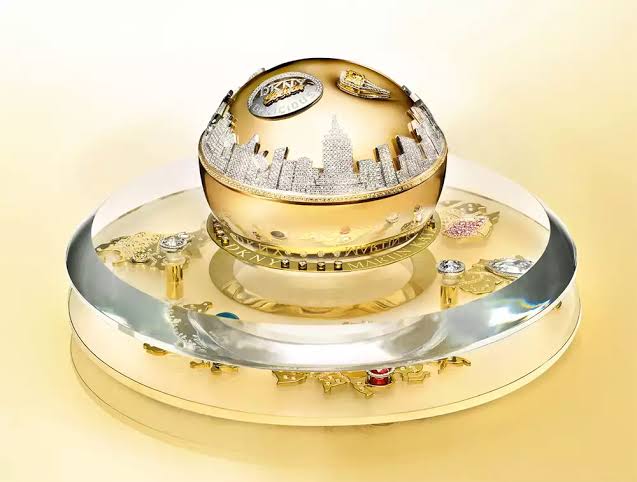
In 2011, DKNY took what was otherwise an accessible designer fragrance and turned one bottle into a million-dollar object.
The Golden Delicious Million Dollar Fragrance Bottle was created with celebrity jeweller Martin Katz.
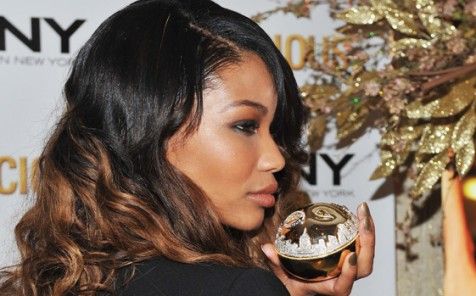
The apple-shaped presentation incorporated 14-karat yellow and white gold and close to 3,000 gemstones. The stones were arranged to evoke the Manhattan skyline and included diamonds, sapphires, tourmaline and ruby. Proceeds from the project were intended to benefit Action Against Hunger.
What makes this example particularly interesting is that the actual fragrance was not normally a million-dollar perfume.
The standard Golden Delicious scent was positioned as a mainstream premium fragrance built around golden apple, orange blossom, white florals, musk and woods.
Lara Stone was publicly associated with the fragrance advertising, making her the most recognisable fashion face connected with Golden Delicious.
This is an excellent lesson in luxury pricing.
The million dollars was not simply for apple and white-flower perfume. The price represented an extraordinary piece of high jewellery containing perfume.
3. Bvlgari Opera Prima – $235,000
Company: Bvlgari
Origin: Italy
Released: 2014
Founder: Sotirio Bulgari
Reported value: $235,000
Publicly confirmed wearer: No specific owner or celebrity wearer has been widely disclosed
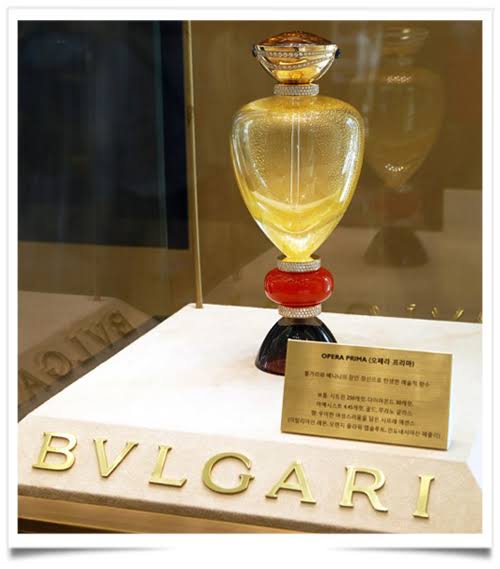
Bvlgari’s Opera Prima is exactly what I would expect from a jewellery house entering the upper limits of perfumery.
It was created in 2014 to commemorate Bvlgari’s 130th anniversary.
The fragrance was composed by perfumer Daniela Andrier and reportedly featured Mediterranean-inspired citrus and floral elements, particularly lemon and orange blossom.
But once again, the bottle transformed the project.
Italian glassmaker Venini created the presentation, embellished with hundreds of carats of citrine, plus amethyst and approximately 25 carats of diamonds. The reported price was $235,000.
Bvlgari’s history makes this approach entirely logical.
The house began in Rome in 1884, when Greek silversmith Sotirio Bulgari opened his first boutique. Jewellery was therefore part of the company’s DNA long before perfume entered the picture.
Opera Prima is essentially Bvlgari translating its gemstone heritage into fragrance packaging.
4. Clive Christian No. 1 Passant Guardant – About $228,000
Company: Clive Christian
Origin: United Kingdom
Edition: 2014
Creative founder of the modern house: Clive Christian
Reported price: £143,000, widely converted at the time to roughly 220,000–230,000
Public wearer: Specific purchaser not publicly identified
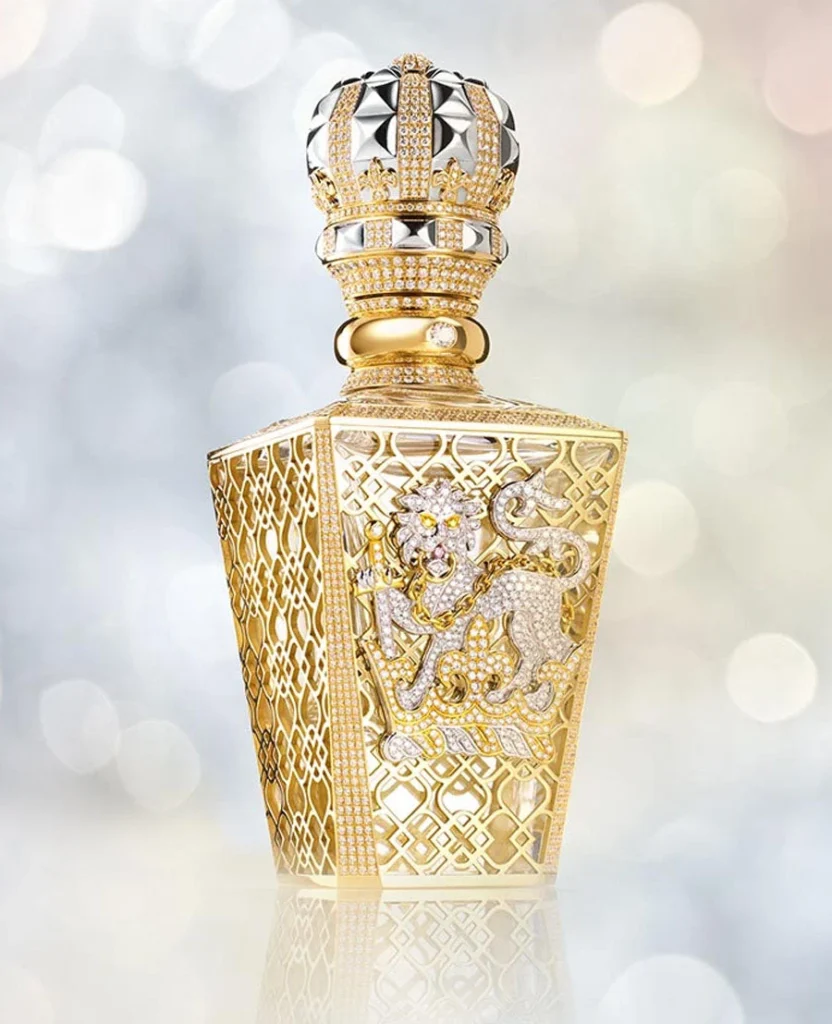
The British house Clive Christian has long used the phrase “the world’s most expensive perfume,” and the No. 1 Passant Guardant presentation certainly earned attention.
Created for the opening of the Salon de Parfums at Harrods in 2014, the bottle was covered in handcrafted 24-carat gold lattice work and more than 2,000 diamonds.
Two yellow diamonds formed the lion’s eyes, while a rare pink diamond appeared in its tongue.
The perfume inside was Clive Christian No. 1.
The feminine version is a complex floral-amber composition using ingredients and accords such as pimento, fruits, rose, jasmine, orchid, ylang-ylang, vanilla, sandalwood and other woods.
While the bottle commands the headlines, I find Clive Christian more interesting than many jewel-bottle projects because the house also places enormous emphasis on fragrance concentration and complex formula construction.
That means the juice itself is intended to occupy the ultra-luxury category even without the diamonds.
5. Clive Christian No. 1 Imperial Majesty – $205,000
Company: Clive Christian
Origin: United Kingdom
Released: 2005
Reported price: £115,000, approximately $205,000 at the time
Production: Ten 500 ml presentations were created
Public wearer: Buyers largely private
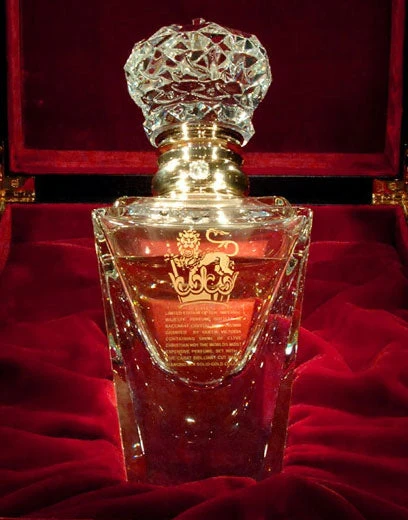
Imperial Majesty predates Passant Guardant and remains one of the most historically significant ultra-expensive perfume presentations.
Guinness World Records lists Clive Christian No. 1 Imperial Majesty as having been offered at approximately $205,000 for a 500 ml presentation in 2005.
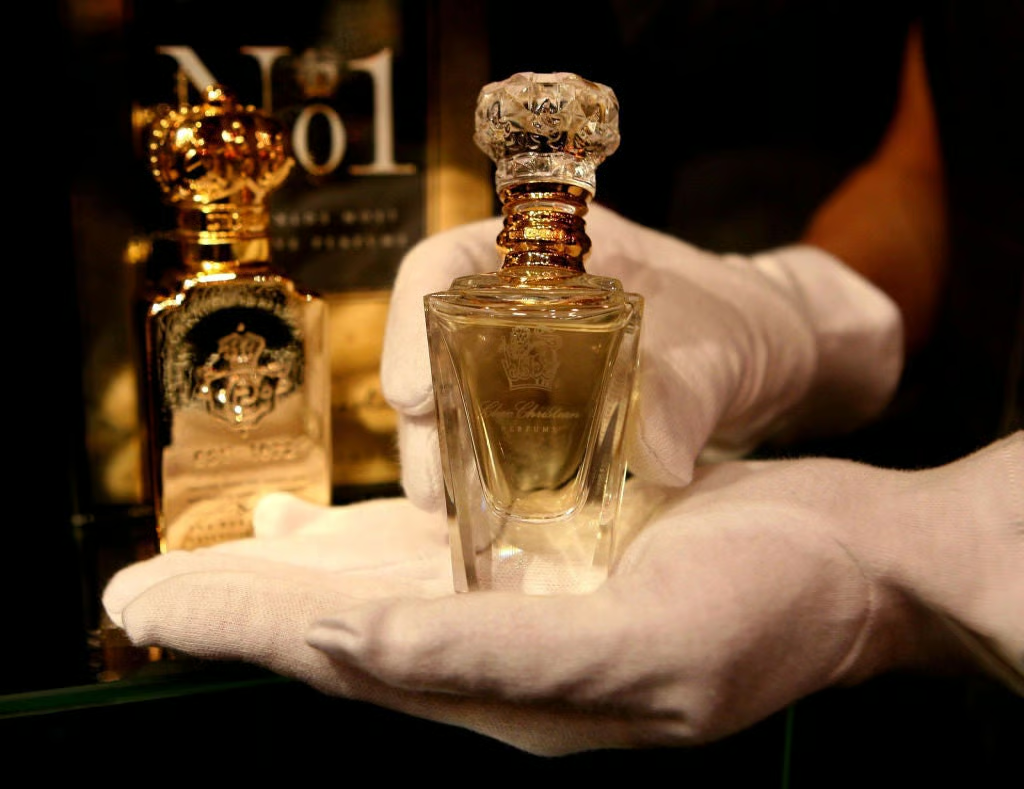
The bottle was created from Baccarat crystal.
Its neck featured an 18-carat gold collar set with a five-carat white diamond.
Even delivery reflected the theatre of ultra-luxury: Guinness noted that the price included delivery in a Bentley.
Only ten were created.
The fascinating thing here is the way perfume was deliberately transformed into an experience reserved for the kind of customer who does not simply walk into a department store asking for “something nice.”
Imperial Majesty was aimed at collectors who wanted rarity itself.
6. Dior J’adore L’Or Prestige Edition – About $75,000
Company: Christian Dior
Origin: France
Prestige edition: 2016
House founder: Christian Dior, who founded his couture house in 1946
Reported price: Approximately $75,000
Most famous public association: Charlize Theron
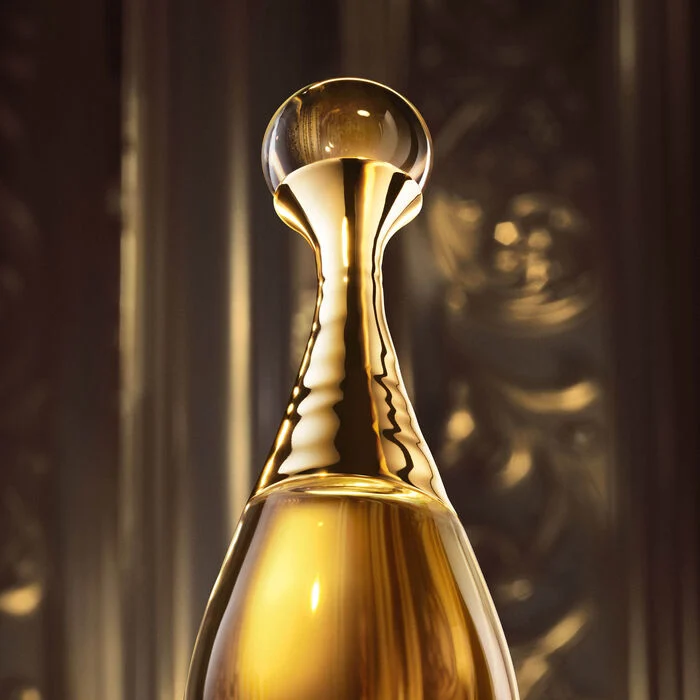
Few perfume campaigns have been as closely tied to one actress as J’adore was to Charlize Theron.
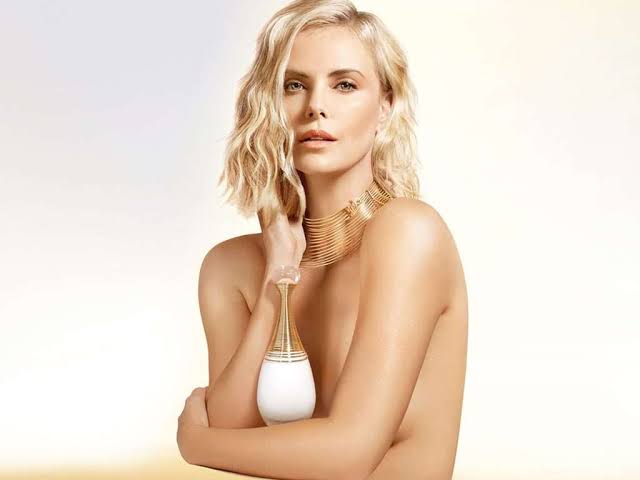
For years, Theron appeared in the fragrance’s gold-drenched advertising world, turning the amphora-shaped bottle into one of Dior’s most recognisable beauty objects. Dior’s own campaign material documented her long association with J’adore.
The J’adore L’Or Prestige Edition, released in 2016, took the familiar idea into jewellery territory.
Reports placed the 100 ml edition at approximately $75,000, with the special bottle decorated with crystal, pearls and a bow carrying 30 round-cut diamonds and ten pear-shaped diamonds.
The House of Dior itself dates to 1946, when Christian Dior established the company at 30 Avenue Montaigne in Paris.
While ordinary J’adore is widely available, the Prestige Edition was never an ordinary perfume purchase. It was a couture object.
7. Parfum VI by Gianni Vive Sulman – About $89,000
Company/creator: Associated with Gianni Vive Sulman; created by British perfumer Arthur Burnham
Origin: United Kingdom
Released: 1998
Reported price: Around $89,000
Production: Commonly reported at 173 bottles
Celebrity story: Frequently linked in fragrance lore to Michael Jackson, although documentation of ownership is not strong enough to present that as established fact
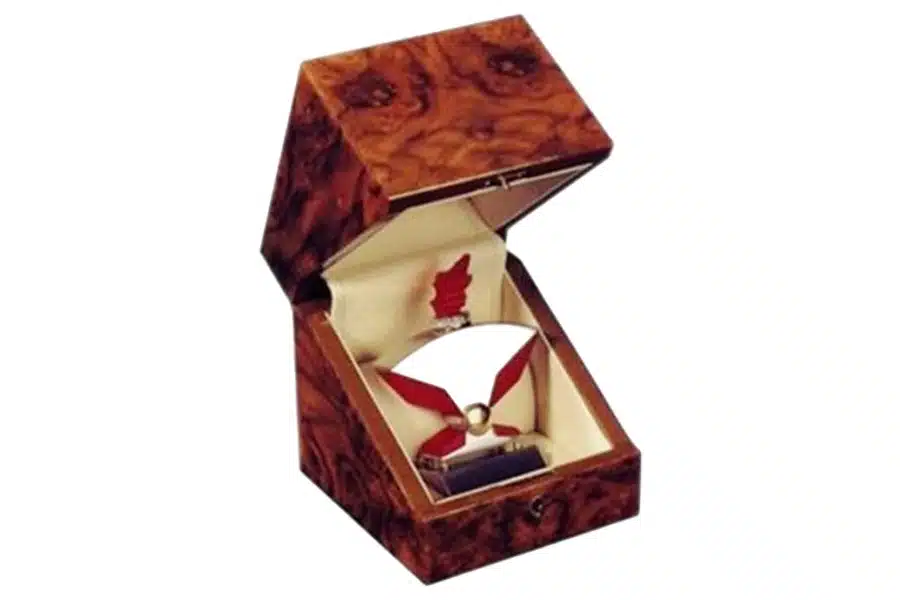
Parfum VI occupies the mysterious side of luxury fragrance.
Unlike Chanel or Dior, this is not a perfume supported by a giant global advertising machine.
The fragrance is attributed to British perfumer Arthur Burnham and is generally dated to 1998. Sources on the surviving perfume report that only 173 bottles were produced.
Its presentation reportedly incorporated gold, diamonds and rubies, with floral materials including rose and jasmine associated with Grasse.
There are stories connecting Parfum VI with celebrities, including Michael Jackson, but I would treat those anecdotes cautiously. Rare-perfume history is filled with repeated claims that eventually become “facts” simply because enough websites copy them.
For collectors, documentation matters.
8. Rabanne 1 Million Luxe Edition – About $57,000
Company: Rabanne, formerly Paco Rabanne
Origin: France/Spain heritage
Special edition: Early 2010s
Brand founder: Paco Rabanne
Reported price: Approximately $57,000
Celebrity wearer: No specific verified owner of the Luxe bottle publicly established
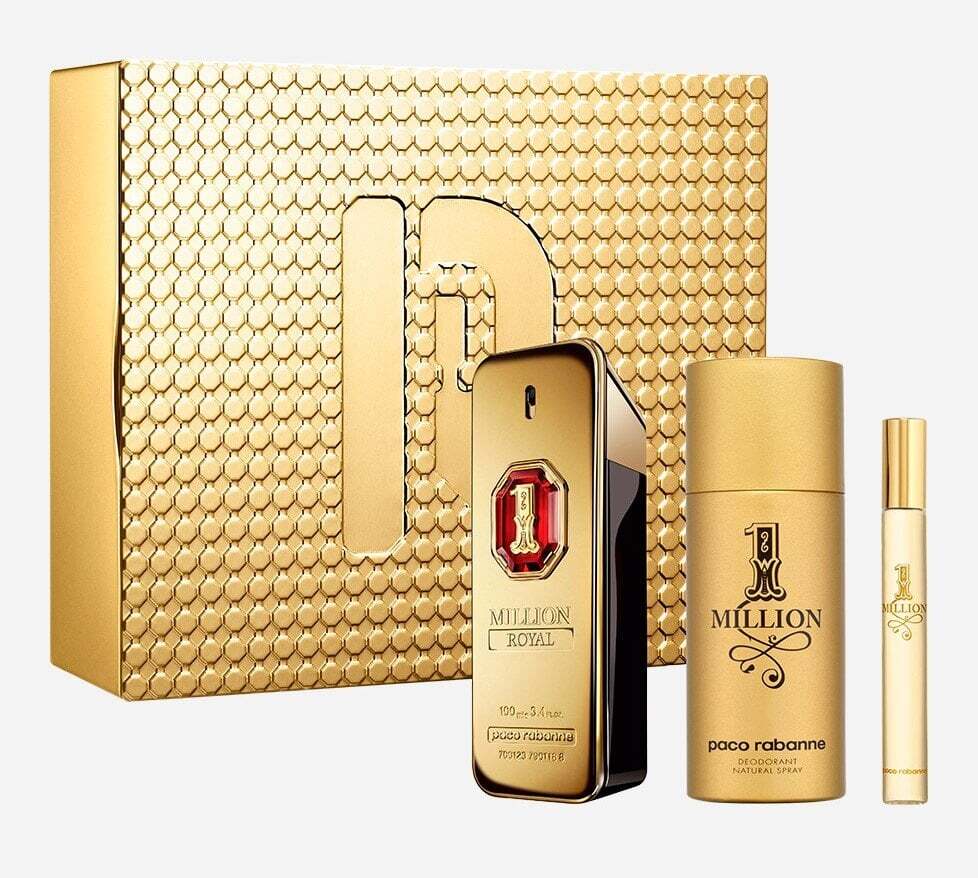
The original 1 Million fragrance became one of the most commercially successful men’s scents of its generation.
Its gold-bar bottle was already designed to communicate wealth.
The Luxe Edition simply took that idea literally.
Reported at approximately $57,000, the made-to-order presentation used 18-carat gold and a diamond of roughly 0.3 carat, with the bottle presented in an elaborate luxury case.
The scent itself is dramatically less restrained than many old-school French perfumes.
It combines bright citrus with cinnamon, mint, rose, leather-like notes, woods, patchouli and amber-style materials.
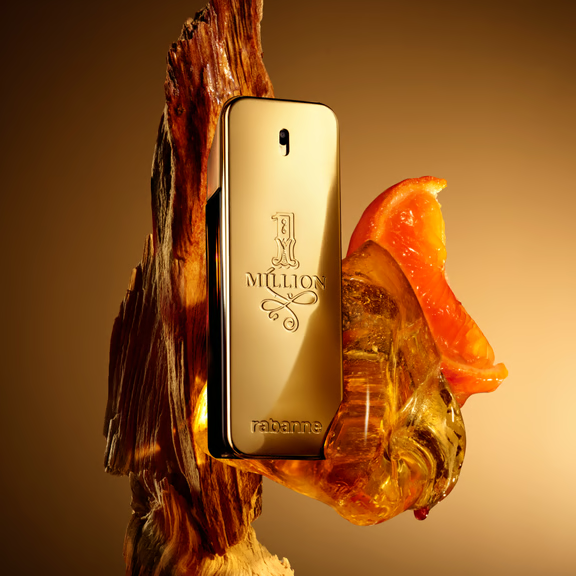
The original 1 Million fragrance was created through the work of perfumers Christophe Raynaud, Olivier Pescheux and Michel Girard.
It is bold, sweet, immediately recognisable and intentionally attention-seeking—which is probably exactly what a gold-and-diamond edition of 1 Million should smell like.
9. Louis Vuitton Flacon d’Exception – About $16,500
Company: Louis Vuitton
Origin: France
Limited edition: 2021
Founder: Louis Vuitton
Reported price: Around $16,500
Public wearer: No individually verified celebrity purchaser disclosed
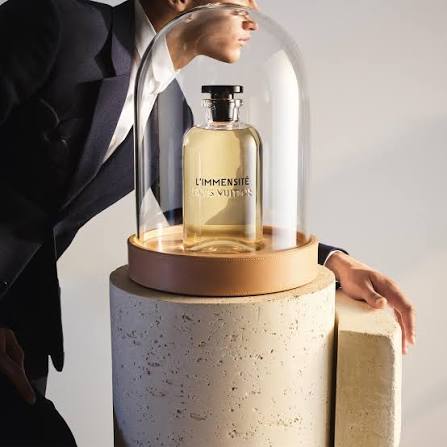
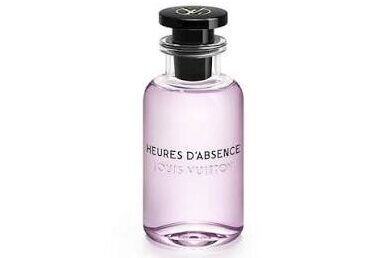
Louis Vuitton entered the modern perfume market relatively recently compared with houses such as Guerlain, although fragrance is not entirely new to its history.
The company actually released its first perfume, Heures d’Absence, in 1927. Louis Vuitton’s official history traces the maison itself back to 1854, when Louis Vuitton opened his own Paris workshop after training as a trunk-maker.
The modern Flacon d’Exception pushed the house’s perfume collection into collectible design.
Around 200 examples were reportedly created, using exceptional crystal work and decorative details, with pricing reported around $16,500.
Louis Vuitton’s fragrances benefit from one of the luxury industry’s strongest combinations: a powerful fashion house, bespoke-object craftsmanship and the work of a dedicated master perfumer.
For me, this is a more believable form of fragrance luxury than simply attaching diamonds to a bottle because the house already has centuries of craftsmanship associated with travel objects.
10. Chanel N°5 Parfum Grand Extrait – More Than $10,000 in Current Large Format
Company: Chanel
Origin: France
Original perfume created: 1921
Founder: Gabrielle “Coco” Chanel
Perfumer: Ernest Beaux
Public wearer: Marilyn Monroe is the most famous documented wearer
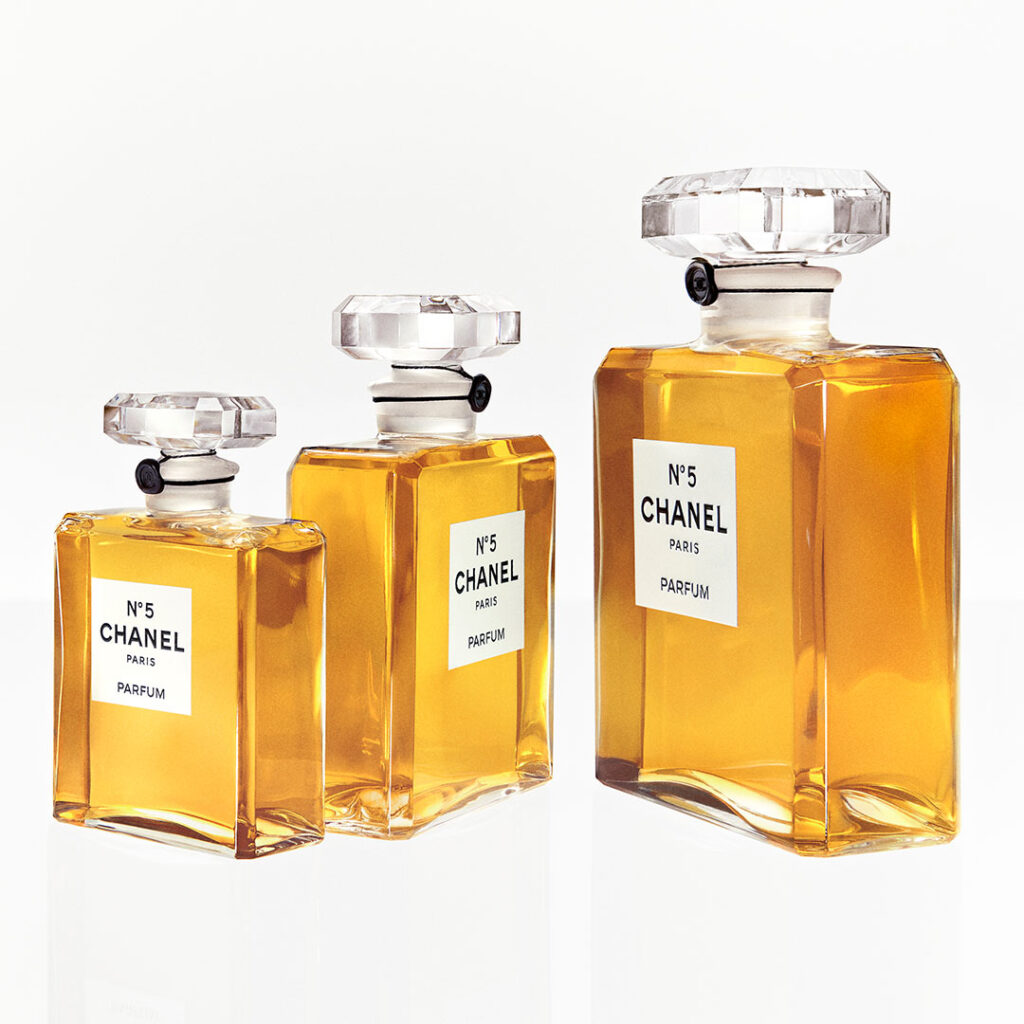
Chanel N°5 is not merely an expensive perfume.
It is arguably the most culturally important luxury fragrance ever created.
Gabrielle Chanel worked with perfumer Ernest Beaux in 1921 and selected the fifth formula he presented to her, giving the perfume its remarkably modern numerical name. Chanel documents the fragrance’s launch in 1921 and Beaux’s role in its creation.
Its formula was revolutionary because it used aldehydes to create an abstract fragrance rather than attempting to smell like a single flower.
The perfume combines jasmine and May rose from Grasse with ylang-ylang, neroli and that unmistakable aldehydic brightness.
The giant 900 ml Grand Extrait is still offered in some markets. Chanel’s Malaysian site, for example, recently listed the 900 ml presentation at MYR 55,640, making it one of the most expensive regularly catalogued large-format perfumes from a mainstream luxury house.
And then there is Marilyn Monroe.
This is not merely advertising mythology. Chanel’s archives document Monroe’s famous declaration that she wore Chanel N°5 to bed and photographs of her using the fragrance in the 1950s.
Very few perfumes can claim a cultural history that strong.
11. Baccarat Les Larmes Sacrées de Thèbes – About $6,800
Company: Baccarat
Origin: France
Released: Late 1990s
Reported price: Approximately $6,800 for 30 ml
Public wearer: No widely verified celebrity user
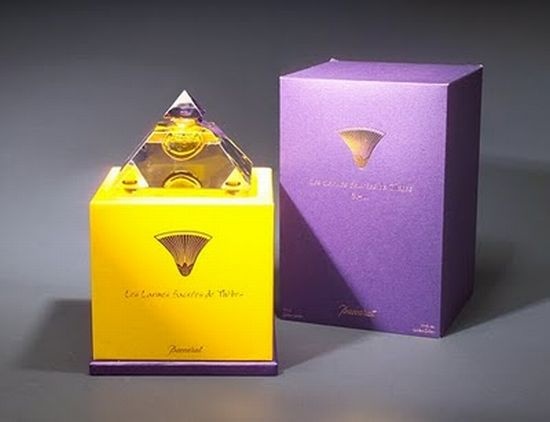
Baccarat is primarily known for crystal, which is why this perfume makes perfect sense within the company’s history.
Les Larmes Sacrées de Thèbes, often translated as The Sacred Tears of Thebes, became famous partly for its highly unusual pyramid-shaped crystal presentation.
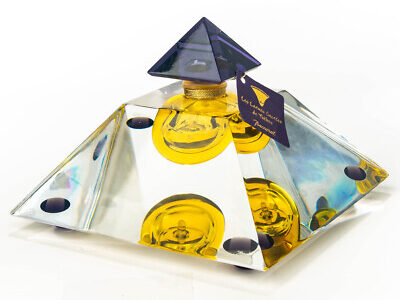
Its fragrance profile draws strongly from incense traditions, particularly frankincense and myrrh.
Reported pricing has placed the limited edition at approximately $6,800 for 30 ml.
Unlike modern fruity-floral celebrity scents, this type of composition deliberately looks backward.
Frankincense and myrrh are among the oldest aromatic materials used by human civilisation, which gives the perfume a historical character that matches its Egyptian-inspired presentation.
12. Roja Parfums Haute Luxe – Several Thousand Dollars Per Bottle
Company: Roja Parfums
Origin: United Kingdom
Founder: Roja Dove
Introduced: 2010s
Price category: Several thousand dollars depending on market and edition
Public wearer: The house serves a private luxury clientele; individual wearers are not generally disclosed
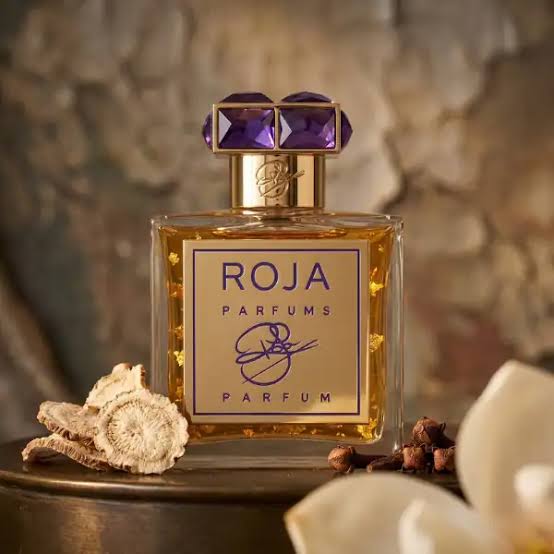
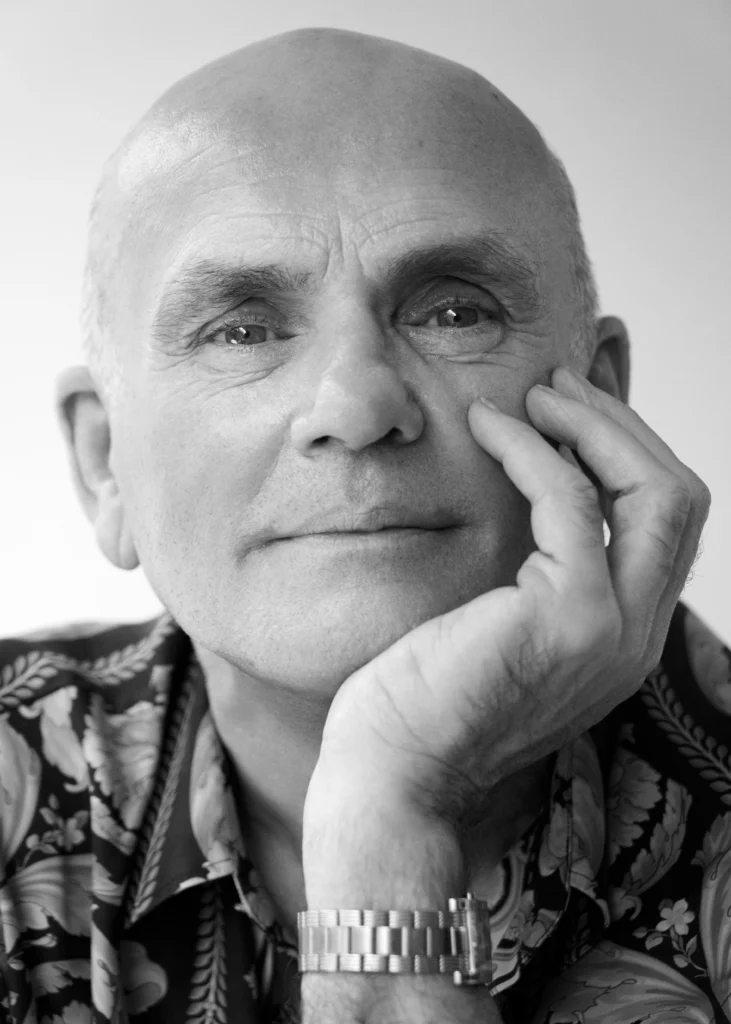
Roja Dove built his reputation around classical high perfumery and eventually created a fragrance house that pushed concentration, natural materials and complexity toward the very top of niche pricing.
Haute Luxe is one of its signature prestige compositions.
What interests me about this perfume is that the price is much less dependent on diamonds.
The attraction is principally the liquid.
It incorporates an unusually large palette of citrus, rose, jasmine, ylang-ylang, violet, spices, woods, resins, vanilla-style warmth and animalic-style accords.
That makes Haute Luxe an important inclusion because it represents a different philosophy:
the perfume itself is supposed to be the luxury object.
For fragrance enthusiasts, I find that more compelling than many jewel-encrusted bottles.
13. Hermès 24 Faubourg Limited Crystal Editions – Historically Around $1,500 an Ounce
Company: Hermès
Origin: France
Perfume launched: 1995
Company founder: Thierry Hermès, 1837
Perfumer: Maurice Roucel
Public association: Often associated with discreet old-world luxury rather than celebrity marketing
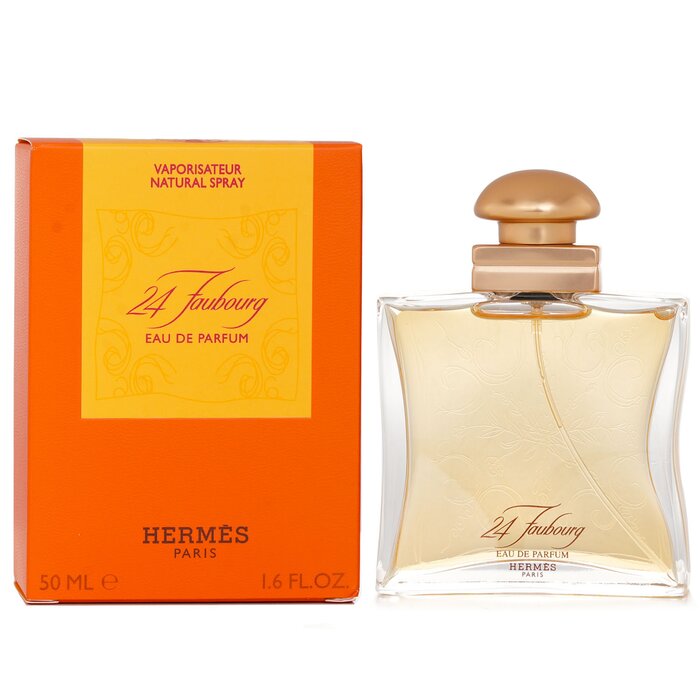
Hermès began in Paris in 1837, when Thierry Hermès established a harness-making workshop.
The company’s fragrance history came later, but its approach to perfume has generally reflected the same preference for refinement over obvious spectacle.
24 Faubourg was created by perfumer Maurice Roucel in 1995.
Hermès itself describes orange blossom, jasmine and vanilla among its major materials and explains that the name refers to the house’s historic address at 24 Rue du Faubourg Saint-Honoré.
Limited crystal presentations have historically been reported at around $1,500 per ounce.
Unlike SHUMUKH or the million-dollar DKNY bottle, this is a fragrance whose reputation comes principally from the elegance of the perfume itself.
It smells like sunlight interpreted through white flowers.
14. Caron Poivre – Historically Around $1,000 an Ounce in Prestige Presentation
Company: Caron
Origin: France
Original fragrance: 1954
House founder: Ernest Daltroff
Reported prestige pricing: Around $1,000 an ounce for certain presentations
Public wearer: Private clientele rather than a single defining celebrity
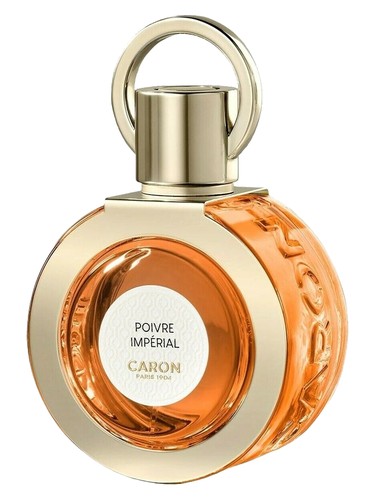
Caron belongs to an older school of French perfumery.
Its Poivre, introduced in 1954, has become known for a forceful spicy character centred around carnation, clove, floral notes, woods and mossy elements.
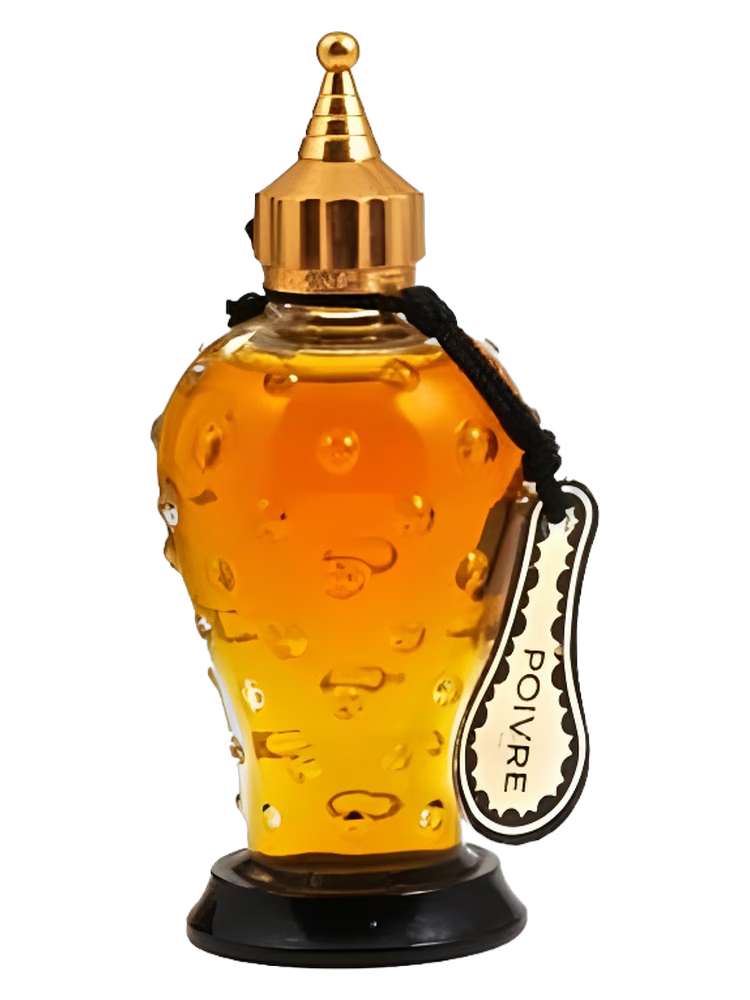
Certain Baccarat-style prestige presentations were reported at roughly $1,000 per ounce.
Poivre is important because it demonstrates that an expensive perfume does not have to smell soft or conventionally “pretty.”
It is spicy, dry, floral and challenging.
That is something I appreciate about classical perfumery: luxury did not always mean creating something designed to please everyone.
15. Jean Patou Joy – Historically About $850 an Ounce
Company: Jean Patou
Origin: France
Created: 1929–1930 era
House founder: Jean Patou
Perfumer: Henri Alméras
Historic price: Frequently cited at about $850 an ounce in prestige parfum form
Public image: Long associated with wealthy international clientele rather than one exclusive ambassador
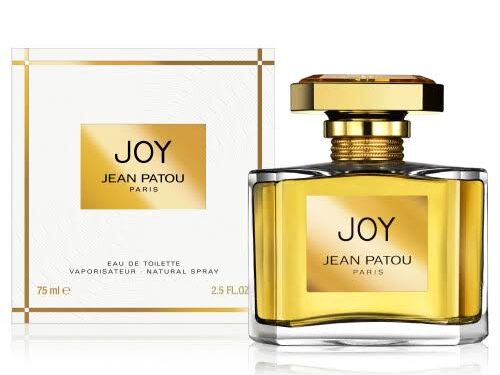
Before today’s million-dollar bottles, Joy by Jean Patou was one of the perfumes most famously marketed around extreme ingredient cost.
Perfumer Henri Alméras created Joy around the time of the 1929 financial crash, when Jean Patou wanted to offer something extraordinary to his wealthy clientele.
Its formula became famous for the extraordinary quantity of flowers needed for the parfum.
Historical accounts cite around 10,000 jasmine flowers and hundreds of roses for approximately 30 ml of parfum.
That is old-fashioned luxury in the purest sense.
No remote-controlled bottle.
No thousands of diamonds.
Just an enormous amount of exceptional floral material concentrated into a small amount of perfume.
Joy was later recognised as one of the landmark fragrances of the 20th century.
Who Actually Invented Perfume?
There is no single moment when humanity suddenly “invented perfume.”
People were burning aromatic woods, resins and plants thousands of years before modern liquid perfume existed.
Ancient Mesopotamia and Egypt both played major roles in developing scented oils, incense and aromatic preparations.
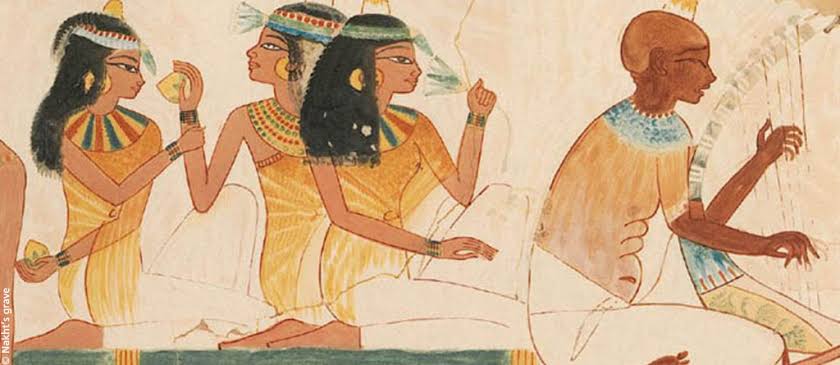
One of the earliest perfume makers whose name has survived is Tappūtī-Bēlet-Ekallim, usually shortened to Tapputi.
She lived in Mesopotamia in approximately the 13th to 12th century BCE and is described in surviving cuneiform material as an expert in aromatic preparation.
The recorded process attributed to her involved flowers, oil, calamus, myrrh and other aromatic ingredients that were repeatedly processed, filtered and distilled.
This makes Tapputi one of the earliest chemists known to us by name—and perhaps history’s most famous early perfumer.
But perfume continued to evolve for centuries.
The Arab and Persian contribution to modern perfumery
The development of sophisticated distillation was enormously important.
During the Islamic Golden Age, scholars and chemists improved techniques used for extracting aromatic materials.
The ninth-century scholar al-Kindi wrote an important work on perfume and distillation. Surviving scholarship on his text describes formulas and techniques involving rose, jasmine, saffron, myrtle and many other fragrant substances.
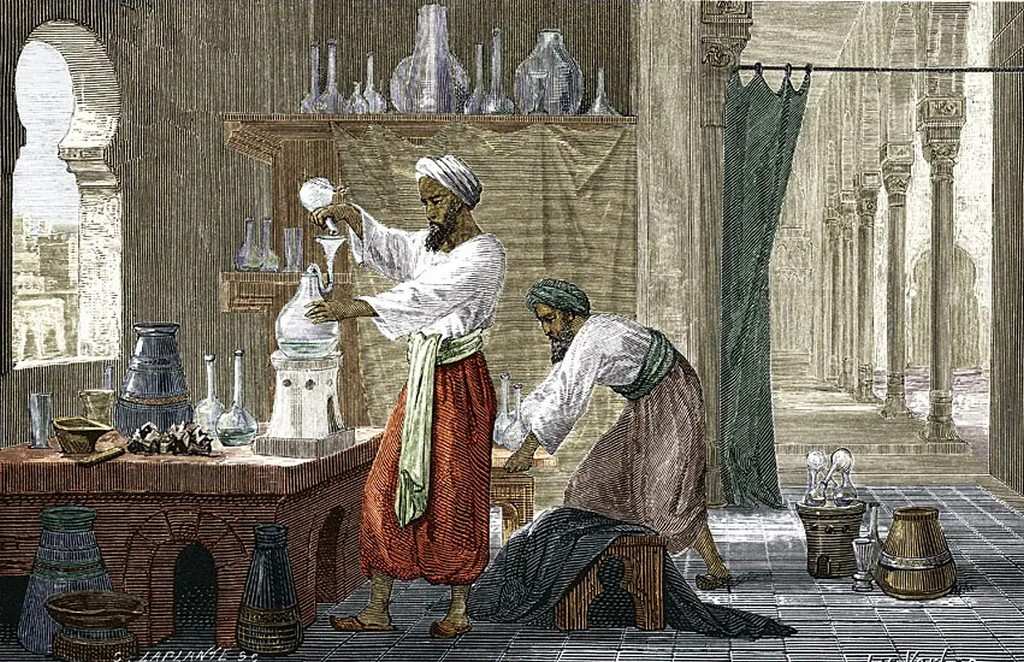
Accounts of his work describe more than one hundred perfume and aromatic preparations.
The Persian physician and philosopher Ibn Sina, or Avicenna, is also closely associated with advances in distilling flowers, particularly roses.
These developments helped transform perfume from mixtures of crushed botanicals and oils into increasingly refined aromatic waters and extracted essences.
So while France dominates the modern popular image of luxury perfume, the scientific development of perfumery owes an enormous debt to the Middle East.
What Is Perfume Actually Made From?
The basic idea sounds simple.
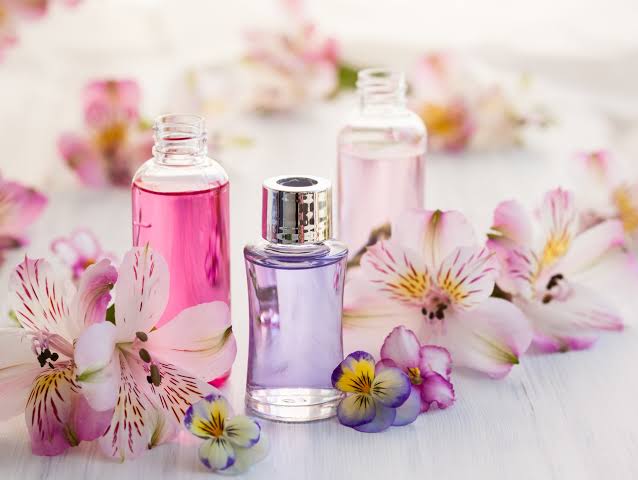
A perfumer takes aromatic materials, creates a concentrate and dilutes it—usually in alcohol—to the desired concentration.
The complexity comes from the hundreds or even thousands of potential materials available.
Flowers
Flowers remain among the most romantic perfume ingredients.
Common examples include:
- Rose
- Jasmine
- Orange blossom
- Tuberose
- Ylang-ylang
- Violet
- Iris
Some are tremendously expensive to obtain naturally.
A field of flowers produces only a relatively small quantity of aromatic material.
Woods
Sandalwood, cedarwood, vetiver roots, patchouli and agarwood—or oud—provide many of perfumery’s deeper notes.
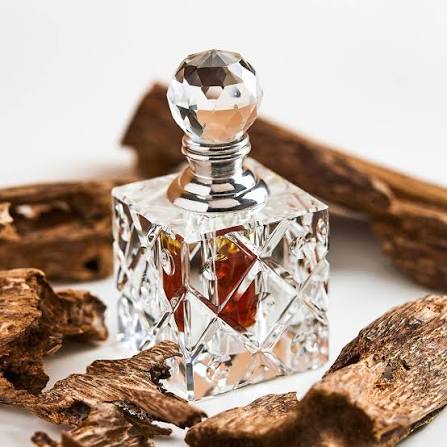
High-quality natural oud can be extraordinarily expensive because it develops when certain Aquilaria trees produce aromatic resin in response to biological stress or infection.
Citrus
Bergamot, lemon, mandarin, grapefruit and bitter orange are widely used in top notes.
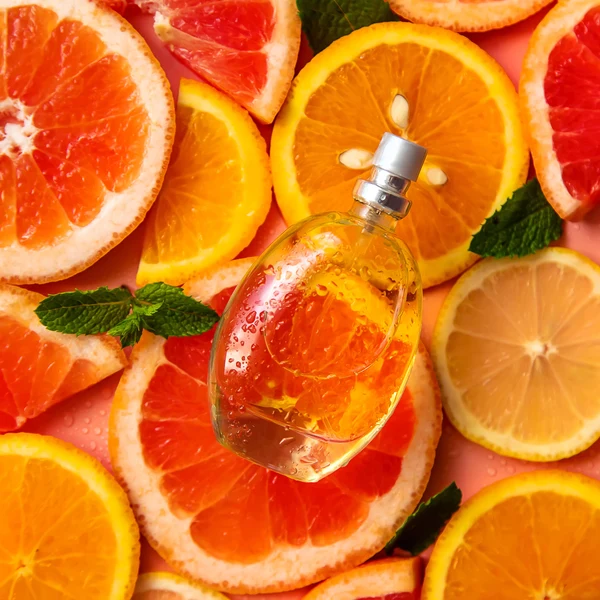
These materials provide the brightness you smell during the first minutes of wearing many perfumes.
Spices
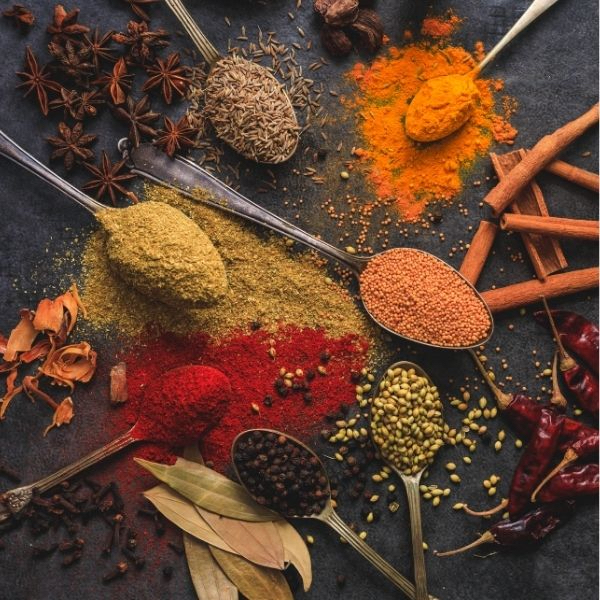
Cardamom, cinnamon, clove, pepper, saffron and nutmeg can add warmth and complexity.
Resins and balsams
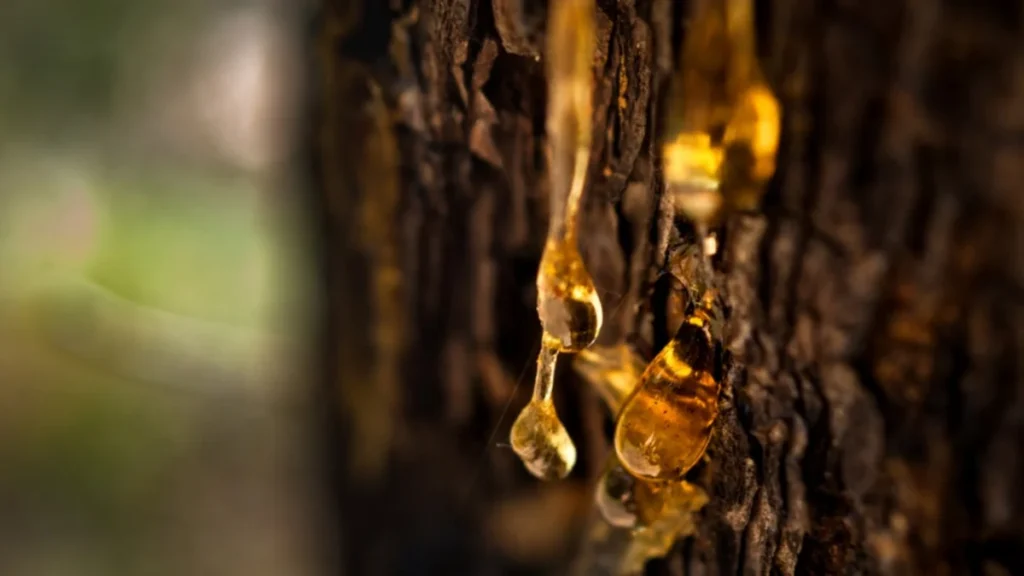
Frankincense, myrrh, benzoin and labdanum have been used for centuries.
Their connection with temples, religious ceremonies and ancient trade routes explains why resinous fragrances can feel almost historical.
Animalic materials—and their modern substitutes
Historically, ingredients such as natural musk, civet and ambergris were used extensively.
Modern ethical standards, regulation, cost and conservation concerns have caused many animal-derived ingredients to be replaced by synthetic or alternative materials.
Synthetic aroma molecules
There is a common misconception that “natural” automatically means luxurious and “synthetic” means cheap.
That is not how serious perfumery works.
Synthetic aroma molecules revolutionised fragrance because they allowed perfumers to create smells that cannot simply be extracted from a flower.
Chanel N°5 is one of history’s most famous examples.
Its aldehydes help create its abstract, luminous character.
Modern perfume is therefore usually a combination of nature and chemistry.
Which Country Creates the Most Important Perfume Recipes?
There is no reliable worldwide database counting the number of perfume formulas by country, so it would be inaccurate to say that one nation officially possesses “the most perfume recipes.”
Historically, however, two answers stand out.
For early written perfume formulas: the Middle East
Al-Kindi’s ninth-century work from the Islamic world contained more than one hundred aromatic formulas and distillation techniques, making the Middle East one of the most important centres in the documented history of perfume chemistry.
For modern fine perfumery: France
If we are talking about the modern luxury perfume industry, France is the strongest answer.
And within France, one city dominates the story:
Grasse.
Grasse originally became prosperous through tanning and glove making.
Perfumed gloves became fashionable, and the area’s favourable climate encouraged the cultivation of jasmine, rose, tuberose, orange blossom, violet and other aromatic crops.
By the 18th century, perfume production increasingly replaced tanning as one of the city’s defining industries.
Grasse remains known internationally as the cradle or capital of traditional French perfumery.
Fragonard’s perfume museum describes the city as an international centre where generations of trained “noses” learned to combine aromatic materials for major fragrance houses.
The region’s perfume-related savoir-faire—including cultivating perfume plants, understanding natural materials and composing fragrances—was recognised by UNESCO in 2018.
This is why you repeatedly see the words “rose from Grasse” or “jasmine from Grasse” associated with luxury perfumes.
They are not just marketing phrases.
They refer to one of the most historically significant fragrance-producing regions in the world.
Why Can Perfume Become So Expensive?
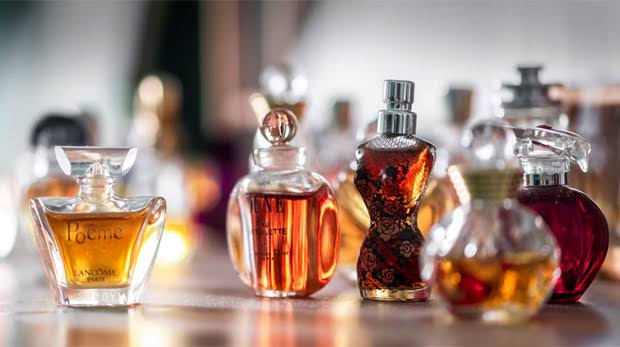
After looking at these 15 examples, I would divide the cost into five categories.
Rare ingredients
Natural jasmine, rose, oud, high-quality sandalwood, orris and certain botanical extracts can be exceptionally costly.
Yield matters.
If enormous quantities of flowers are required to produce a small amount of absolute, the raw material price becomes significant.
High perfume concentration
Extrait de parfum or parfum typically contains a higher proportion of fragrance concentrate than eau de toilette.
More concentrate generally means more expensive aromatic material per bottle, although concentration alone does not automatically indicate quality.
The perfumer
A great “nose” is like a great chef, composer or fashion designer.
Consumers are paying partly for creative expertise.
Creating an important perfume may involve hundreds or thousands of trials before the formula feels complete.
The bottle
At the extreme end, the bottle may be worth dramatically more than the perfume.
SHUMUKH is an obvious example.
The DKNY Million Dollar Bottle is another.
When gold, diamonds, Baccarat crystal, handmade glass or fine jewellery enter the equation, fragrance moves into another pricing category.
Scarcity
Only one SHUMUKH exists.
Only a tiny number of Imperial Majesty bottles were produced.
A rare object becomes more desirable precisely because most people cannot have it.
Luxury has always understood that psychology.
Are the World’s Most Expensive Perfumes Actually the Best?
Not necessarily.
This is the part of luxury perfume I think people sometimes misunderstand.
Price measures rarity, positioning, ingredients, craftsmanship and presentation.
It does not objectively measure how beautiful something will smell to you.
Someone may genuinely prefer a $150 perfume to a $5,000 extrait.
And that is perfectly reasonable.
Scent is extraordinarily personal.
Skin chemistry changes how a perfume develops.
Memory influences whether a particular flower feels comforting or unpleasant.
Culture affects our relationship with ingredients such as oud, rose, musk and incense.
Even climate changes the experience. A dense amber perfume worn beautifully during a European winter may feel suffocating on a hot afternoon in Southeast Asia.
This is why I would never recommend purchasing a very expensive fragrance purely because a list calls it the “best perfume in the world.”
Smell it first.
Wear it for several hours.
See what happens after the top notes disappear.
The dry-down is where many exceptional perfumes reveal themselves.
What the World’s Most Expensive Perfumes Tell Us About Luxury
When I look at SHUMUKH, Chanel N°5, Joy, Clive Christian No. 1 and the Bvlgari Opera Prima together, I see completely different definitions of extravagance.
SHUMUKH says luxury is spectacle.
DKNY’s million-dollar bottle says luxury can be jewellery.
Bvlgari says it can be Italian craftsmanship.
Clive Christian says it can be concentration, rarity and royal presentation.
Chanel N°5 says true luxury can become cultural history.
And Jean Patou’s Joy reminds us that sometimes luxury is simply thousands upon thousands of flowers disappearing into a tiny bottle.
Perhaps that is why perfume has survived for thousands of years.
A fragrance can begin with a flower growing in France, resin gathered thousands of kilometres away, a piece of sandalwood, a chemist’s aroma molecule and an idea inside a perfumer’s mind.
Those things are combined into a liquid we cannot even see once we wear it.
Yet that invisible scent can remind us of a person, country, hotel, relationship or moment decades later.
Diamonds may explain why some of these bottles cost hundreds of thousands of dollars.
But memory explains why human beings have kept making perfume for more than three thousand years.
And that may ultimately be the most valuable thing inside the bottle.