

There is something different about discovering Europe by road.
Flying can take you from Paris to Rome in a matter of hours, but you miss everything in between—the vineyard-covered hills, mountain villages, roadside cafés, coastal roads, old stone towns, and spontaneous stops that often become the most memorable part of the trip.
For me, traveling by land is one of the best ways to experience Europe because the journey itself becomes part of the destination. You are not simply checking countries off a list. You are watching landscapes change through the windshield, hearing different languages at fuel stations, tasting regional food in towns you had never planned to visit, and slowly seeing one culture blend into another as you cross borders.
Europe is particularly suited to this style of travel. Many countries are relatively close together, road networks are extensive, and it is possible to move from beaches to mountain ranges, medieval towns, major fashion capitals, and rural countryside within the same journey.
That freedom, however, comes with responsibility. A successful European road trip requires planning your route, understanding local driving rules, keeping your vehicle in excellent condition, budgeting for accommodation and fuel, and knowing when to slow down and enjoy where you are.
Here is how I would approach an unforgettable long-distance journey across Europe.
Why Traveling Europe by Land Feels Different
One of the biggest advantages of driving is that you experience the spaces between Europe’s famous destinations.

A flight gives you Paris and Milan.
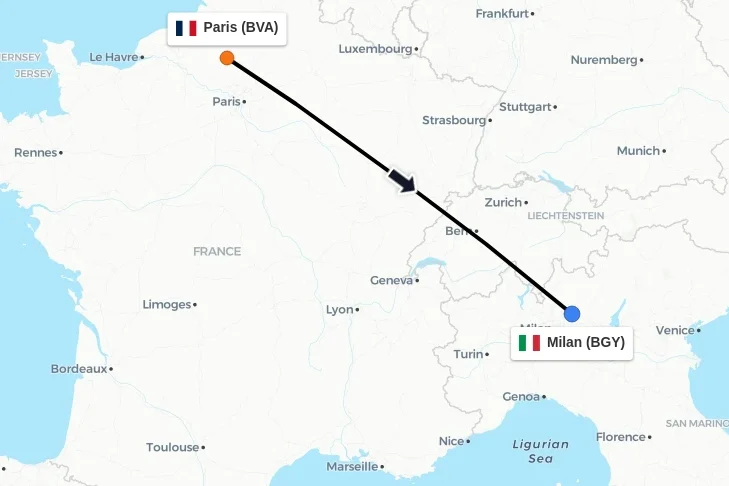
A road trip gives you Paris, Burgundy, the French Alps, Lake Geneva, small Swiss villages, Lake Como and eventually Milan.
Those places in between are often where the trip becomes personal.
European road travel also gives you flexibility. If you see an interesting medieval town from the motorway, you can take the next exit. If a local recommends a restaurant 30 kilometres away, you can go. If the weather changes and you would rather stay another evening near the Alps instead of continuing to the next city, you can adjust your schedule.
That is something tightly scheduled air travel rarely allows.
Driving rules are not identical across Europe, however. The European Union advises travelers to check the traffic regulations of every country they will enter, including licence requirements and insurance coverage. Seat belts are compulsory, children require appropriate restraints, and using a handheld mobile phone while driving is prohibited across EU countries.
For that reason, I like to think of a European road trip as a combination of adventure and preparation.
France: Vineyards, Provence, the Riviera and Alpine Roads
France could easily occupy an entire month-long road trip.
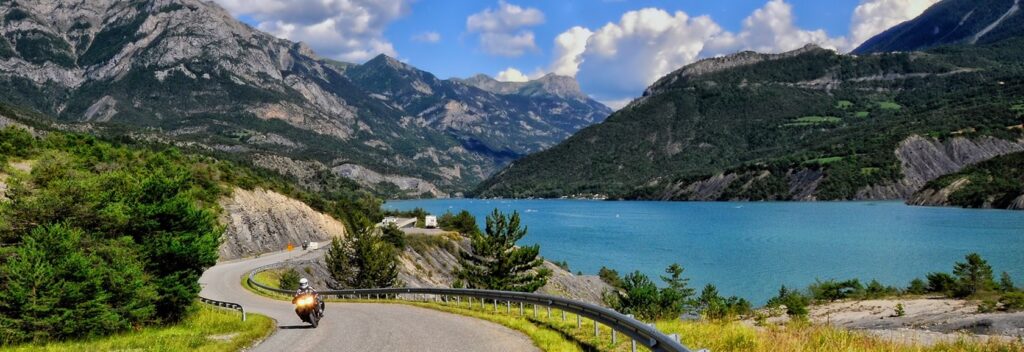
Instead of simply driving from Paris straight toward another country, consider traveling through the Loire Valley, Burgundy, Lyon, Provence and the French Riviera.
The Loire Valley is one of my favourite regions for slow driving. The countryside is scattered with villages, vineyards and magnificent historic estates. Château de Chambord, Château de Chenonceau and Château de Villandry are among the best-known stops, but smaller villages along the Loire are equally enjoyable when you are not rushing.
From there, you could continue toward Burgundy before reaching Lyon.
Best food stop: Lyon
Paris may receive more international attention, but Lyon has one of France’s strongest culinary identities. Traditional restaurants known as bouchons serve dishes connected to the region’s history, while the wider Rhône-Alpes area provides excellent cheeses, meats, produce and wines.
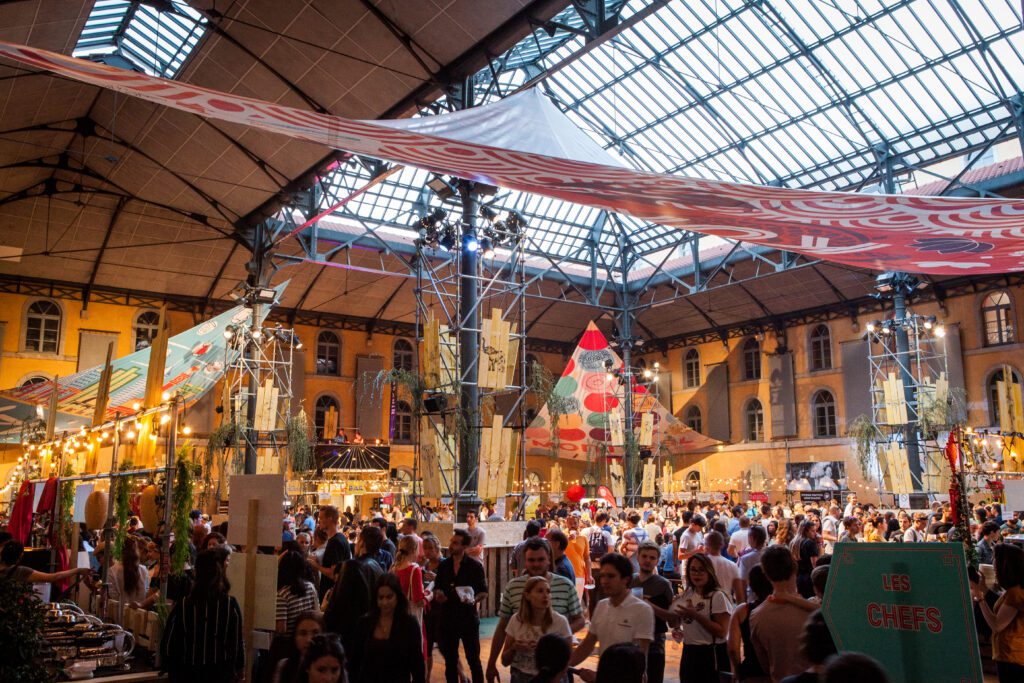
If I were driving through France, Lyon would be more than a fuel stop. I would stay overnight specifically to enjoy dinner.
From Lyon, continue south toward Provence.
Avignon, Aix-en-Provence, Gordes and the villages of the Luberon create exactly the type of landscape people often imagine when thinking about southern France—stone buildings, vineyards, lavender fields, cafés and warm Mediterranean light.
Eventually the road can bring you to Nice and the Côte d’Azur.
France has many recognised scenic driving routes, including the Loire Valley, the Alsace Wine Route and the classic journey between Paris and Nice through Lyon and Provence.
Best French stopover
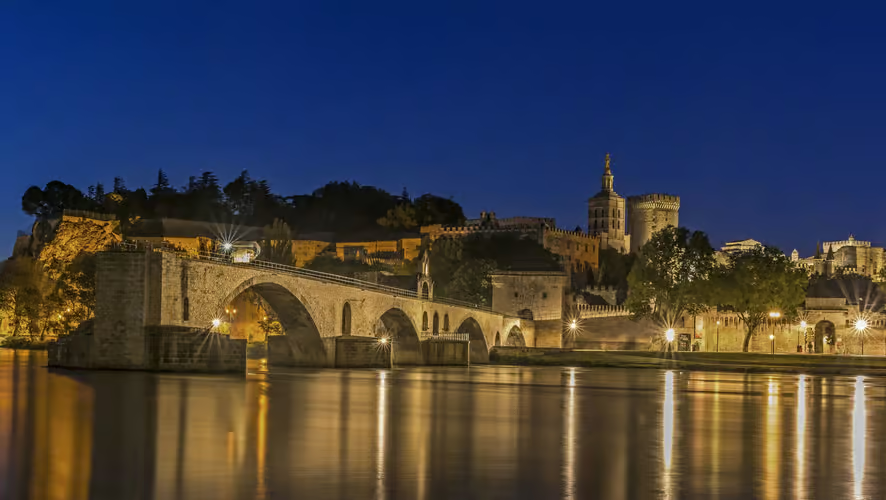
For a long north-to-south drive, Avignon makes an excellent overnight stop. It is compact enough to explore in an evening but culturally interesting enough that staying another day never feels wasted.
Affordable places to stay
Instead of booking hotels in central Paris or Nice, look at smaller communities 15–30 kilometres outside major cities.
Budget hotels, guesthouses, independently operated inns and apartment rentals usually provide better value. For road travelers, accommodation with free or inexpensive parking can sometimes save more money than choosing the cheapest room in a city centre.
Spain: Mediterranean Roads and the Basque Country
Spain deserves to be driven slowly.
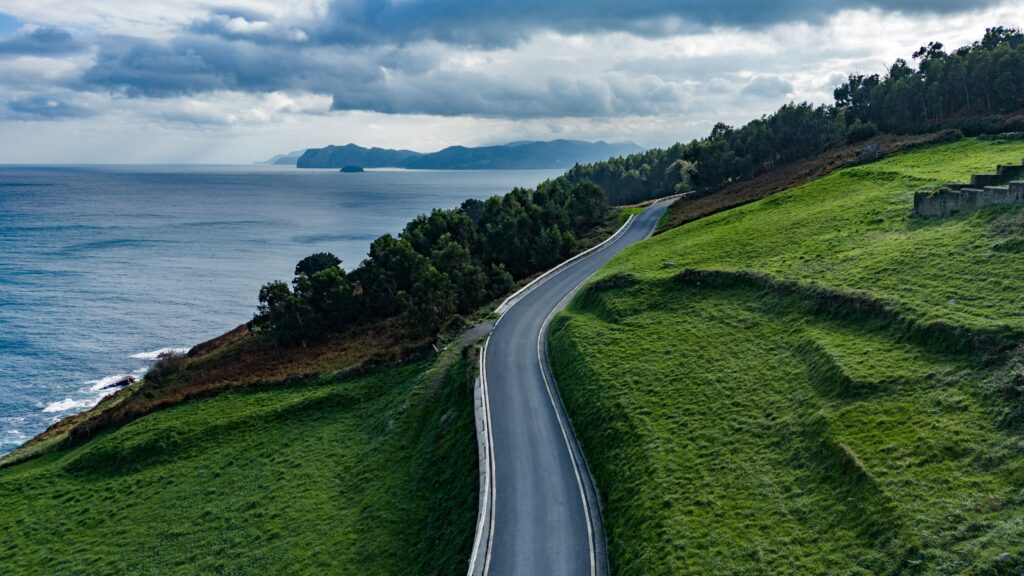
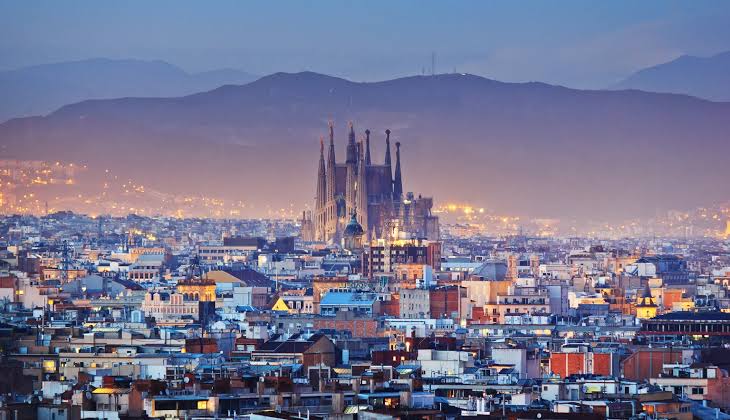
For a Mediterranean route, you could enter through Barcelona and travel south toward Valencia, Alicante, Granada and Málaga.
Barcelona is an obvious highlight, but one advantage of having a vehicle is being able to explore smaller destinations such as Tarragona or towns along the Costa Brava.
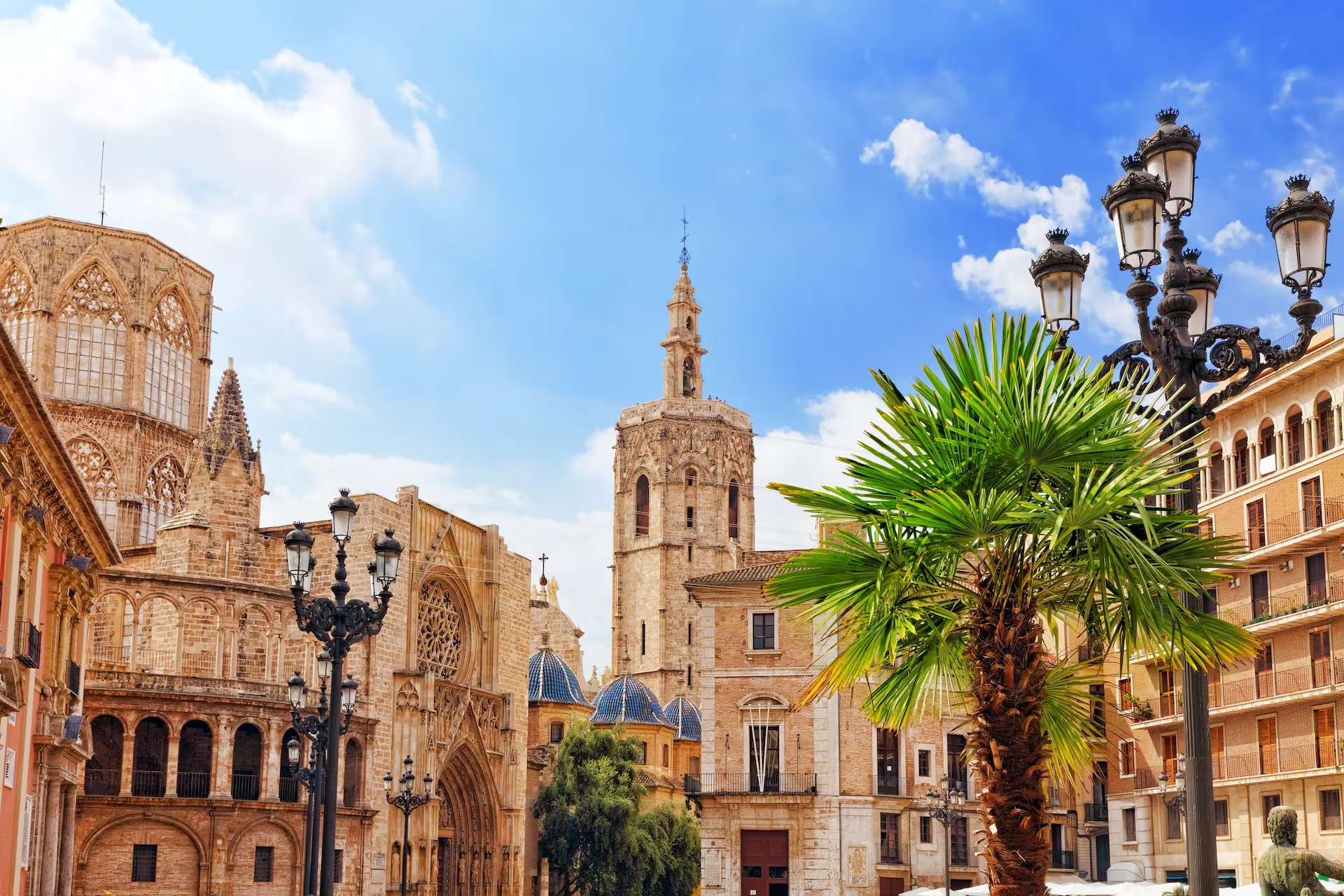
Heading south, Valencia provides a completely different atmosphere.
Best food stop: Valencia
If there is one dish I would specifically travel to Valencia to eat, it is paella.
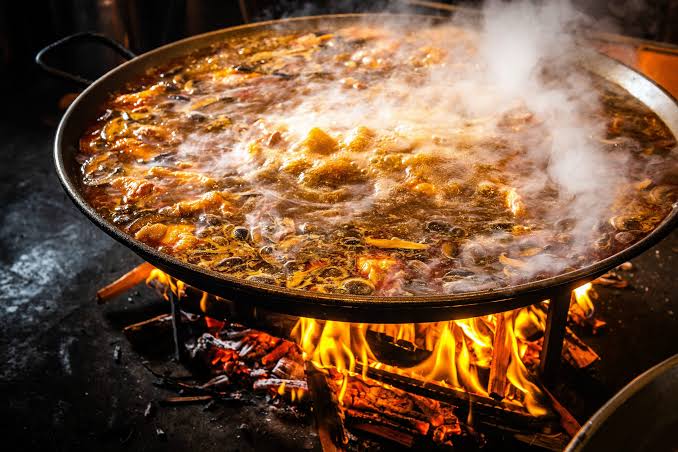
The traditional Valencian version developed in this region, and eating it locally gives you a completely different appreciation for the dish.
For something entirely different, head north instead toward San Sebastián.
San Sebastián for pintxos
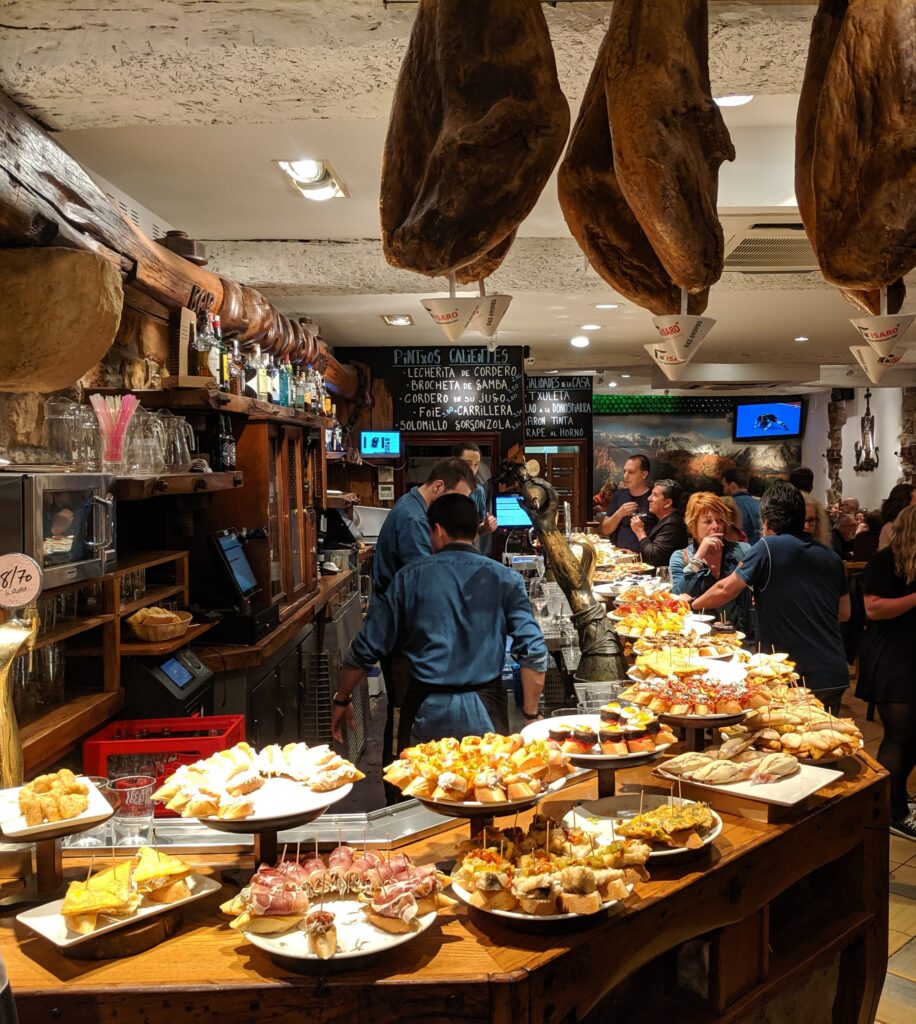
San Sebastián has become one of Europe’s most celebrated culinary destinations. Its dining culture stretches from highly regarded restaurants to informal bars serving pintxos—small dishes often enjoyed while moving from one bar to another through the old town. The MICHELIN Guide continues to list a substantial selection of recognised restaurants in the city.
This is exactly why road travel can be exciting.
You may plan your trip around landmarks, yet food can completely change your route.
Best Spanish stopover
If traveling between Barcelona and southern France, consider Girona. The old city is beautiful, walkable and easier to navigate than Barcelona.
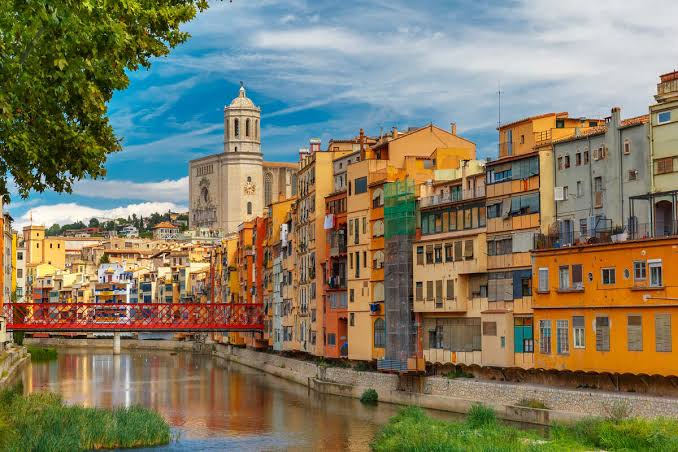
If crossing northern Spain toward France, San Sebastián is difficult to beat because you get both coastal scenery and exceptional food.
Portugal: Lisbon, Porto and the Atlantic Coast
Portugal works beautifully as either the beginning or end of an Iberian road trip.
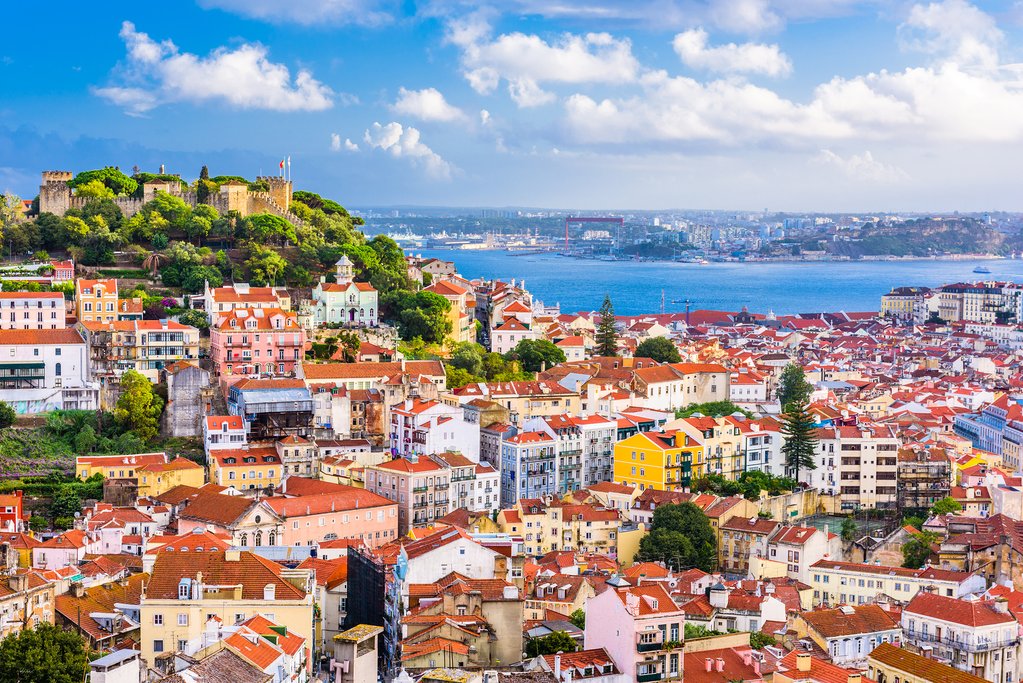
One route I particularly like would connect Lisbon, Sintra, Coimbra, the Douro Valley and Porto.
Lisbon itself is better explored on foot or public transportation once you have parked because of its steep streets and dense historic districts.
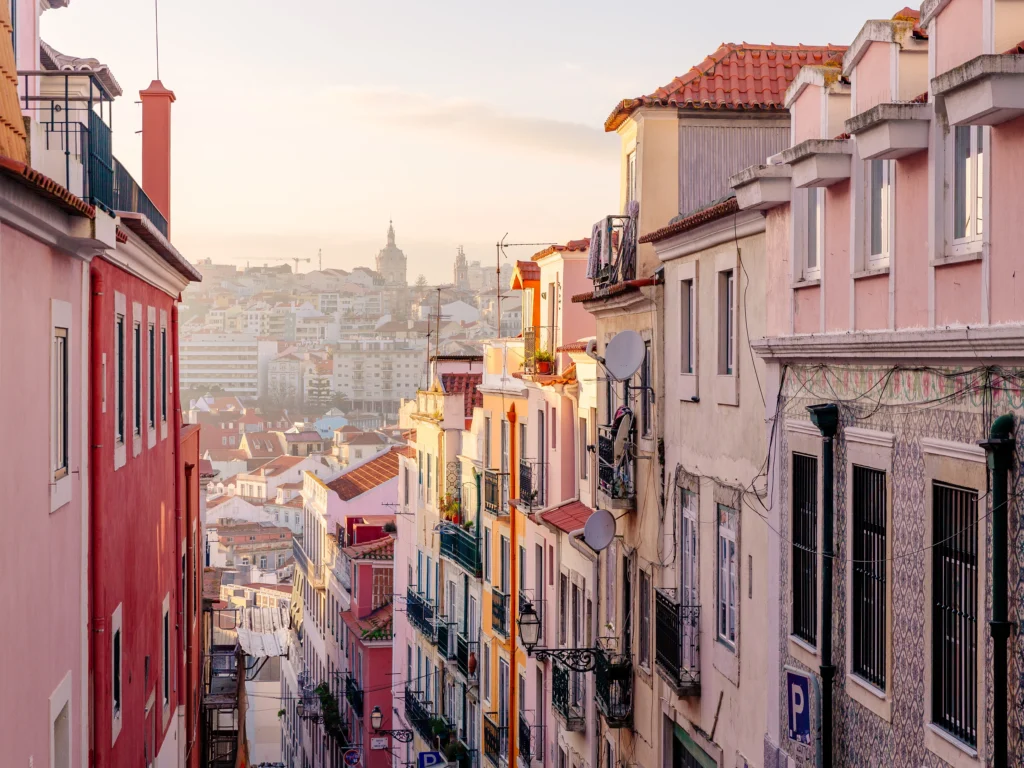
Outside the city, however, the car becomes invaluable.
Sintra is close enough for a day trip, while the Atlantic coastline gives you dramatic roads toward places such as Cascais, Nazaré and eventually Porto.
Best food stop: Lisbon
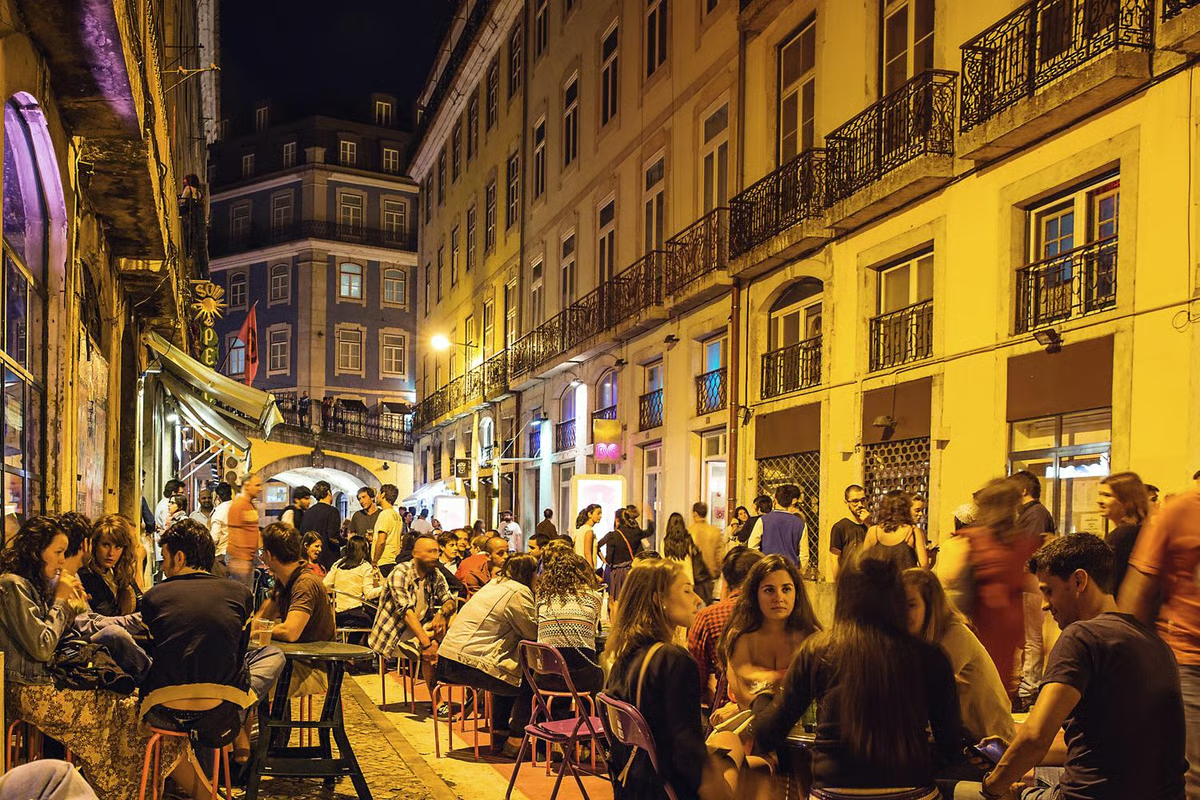
Lisbon is an excellent city for seafood, grilled sardines, bacalhau dishes, and, of course, pastéis de nata.
Porto brings different experiences, including dishes such as francesinha, alongside food connected to northern Portugal.
MICHELIN’s European dining coverage continues to highlight Lisbon and Porto alongside other major culinary destinations across southern Europe.
Best Portuguese stopover
Coimbra works particularly well between Lisbon and Porto.
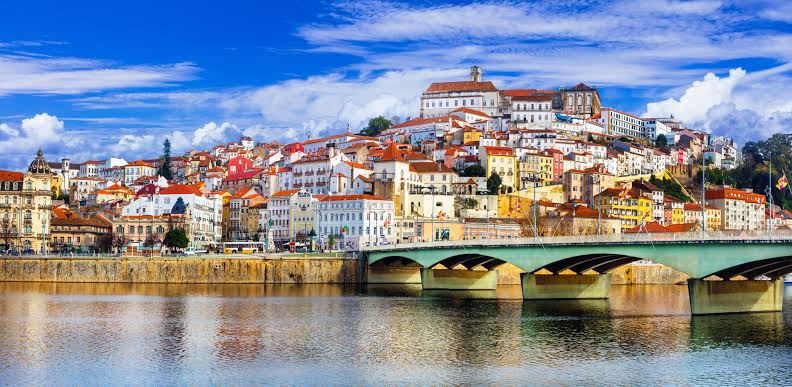
You can break up the journey, walk through one of Portugal’s oldest university cities and enjoy an evening without the crowds of the country’s two largest tourism centres.
Switzerland: Where the Drive Becomes the Attraction
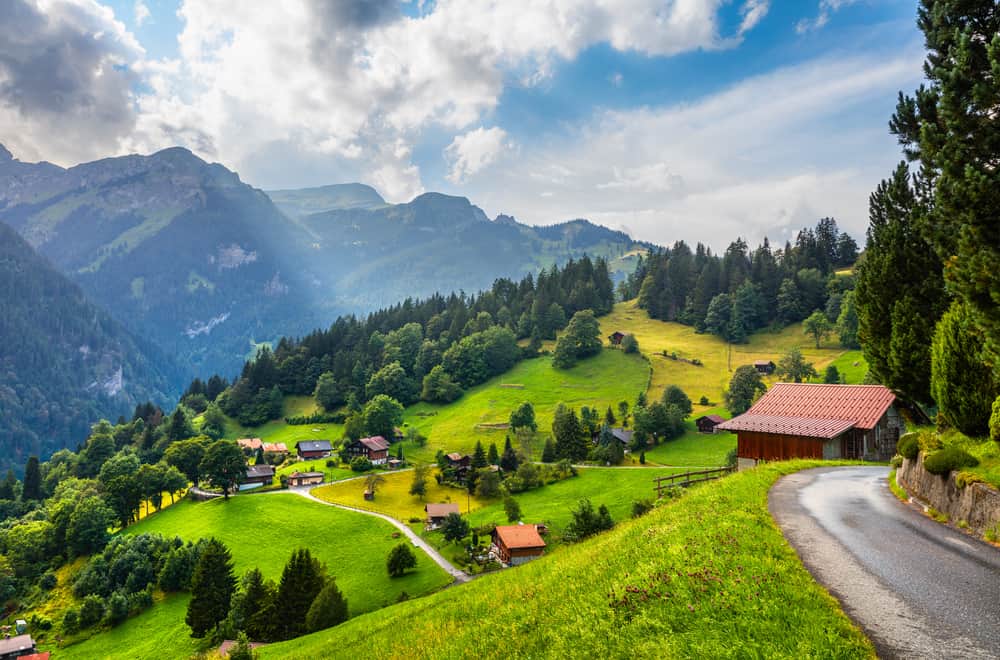
In Switzerland, you may find yourself stopping simply because the road itself is beautiful.
Lakes, mountain valleys and Alpine scenery appear almost continuously in certain regions.
A route connecting Geneva, Montreux, Interlaken, Lauterbrunnen, Lucerne and Zurich can be extraordinary.
Driving through Switzerland also demonstrates why a road trip should never be judged purely by kilometres. A seemingly short distance can take much longer because you will repeatedly want to stop.
Lauterbrunnen and the surrounding Alps
Lauterbrunnen Valley is surrounded by dramatic cliffs, waterfalls and mountain scenery.
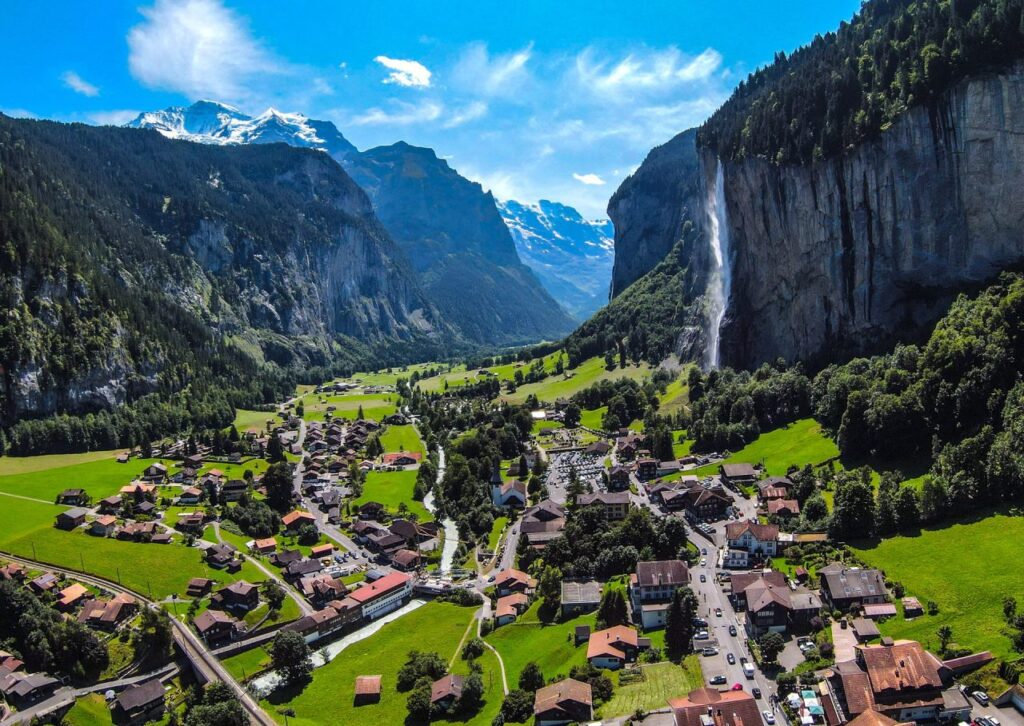
From this region, you can explore Interlaken and nearby mountain communities.
Some destinations, including Zermatt, restrict private cars, meaning you may need to park outside and continue by train. That is an important reminder that “traveling Europe by land” does not mean the car has to follow you everywhere.
Sometimes the best road trip includes parking the vehicle and switching temporarily to trains, cable cars or walking routes.
Best Swiss stopover
Lucerne is excellent because it sits between several major routes and combines lake scenery with a compact historic centre.
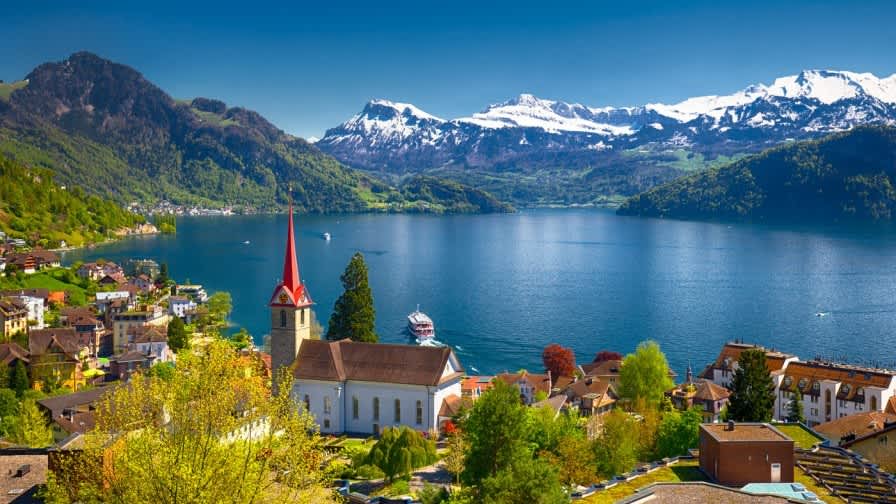
Budget-conscious travelers should consider staying in smaller towns outside famous resort areas such as Interlaken or Zermatt.
Switzerland is not generally Europe’s cheapest destination, so accommodation location makes a noticeable difference.
Italy: Perhaps Europe’s Ultimate Road-Trip Country
Italy is one of those countries where every region seems to give you another reason to stop.
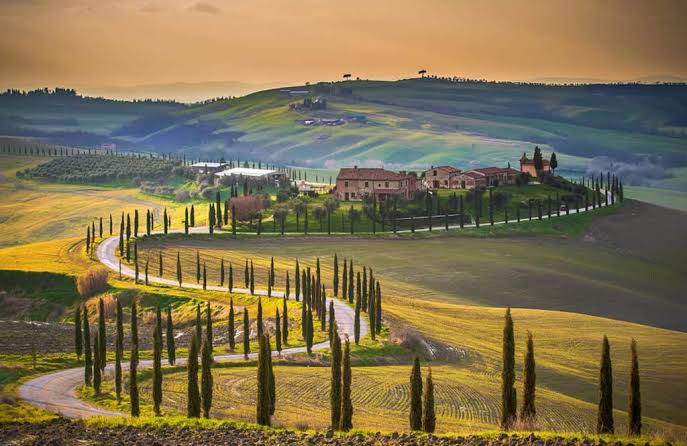
You could enter from Switzerland through the Lake Como region, continue toward Milan, then drive east to Verona and Venice before turning south toward Bologna, Florence and Rome.
Or you could follow Italy’s western side toward Genoa, Cinque Terre, Tuscany and eventually Naples.
Lake Como
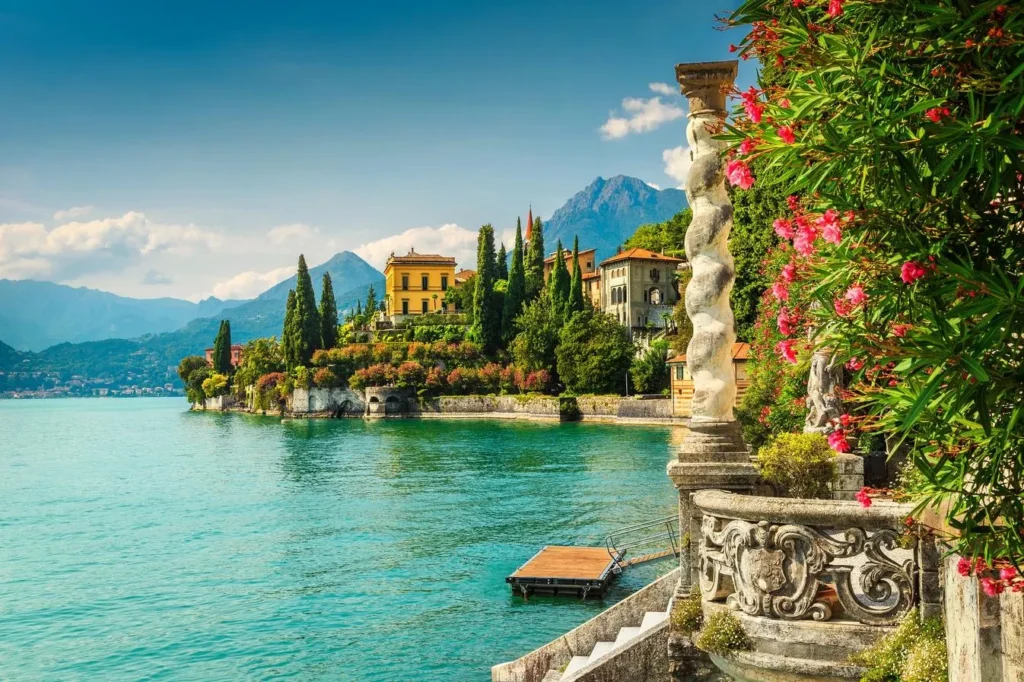
Driving around parts of Lake Como gives you mountain scenery, elegant villas and small lakeside towns.
The roads can be narrow, though, so patience matters more than speed.
Florence and Tuscany
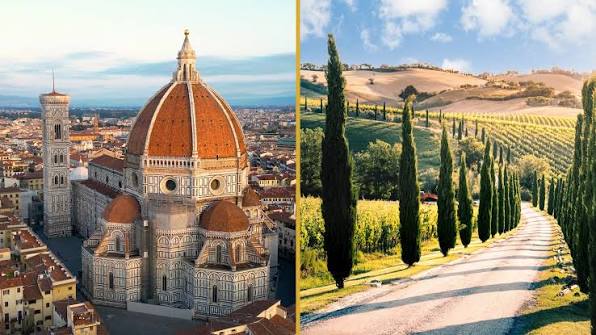
For road travel, Tuscany is arguably even more enjoyable than Florence itself.
The Tuscan countryside provides rolling hills, vineyards and villages such as San Gimignano, Montepulciano and Pienza.
This is where having your own vehicle changes the experience dramatically.
You can stop at smaller wineries, photograph landscapes from quiet roads and reach hill towns that may require several transportation connections without a car.
Best food stop: Bologna
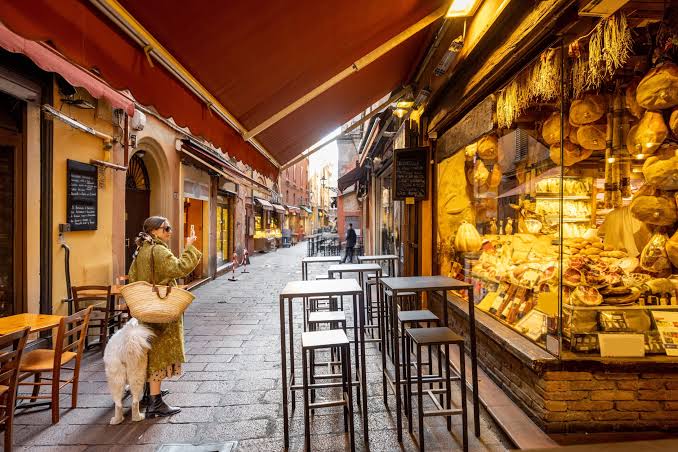
For food lovers, Bologna is one of my strongest recommendations.
This is the heart of Emilia-Romagna, a region connected with products and dishes known around the world.
Tagliatelle al ragù, tortellini and mortadella are closely associated with Bologna, while nearby areas are connected with Parmigiano Reggiano and traditional balsamic vinegar.
If my road trip allowed only one dedicated food stop in northern Italy, Bologna would be high on the list.
Best Italian stopover
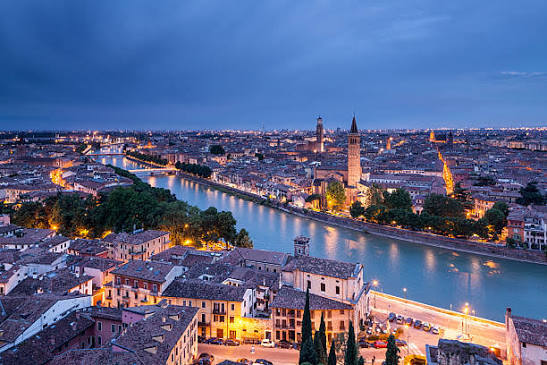
Verona is an excellent stop between Milan and Venice.
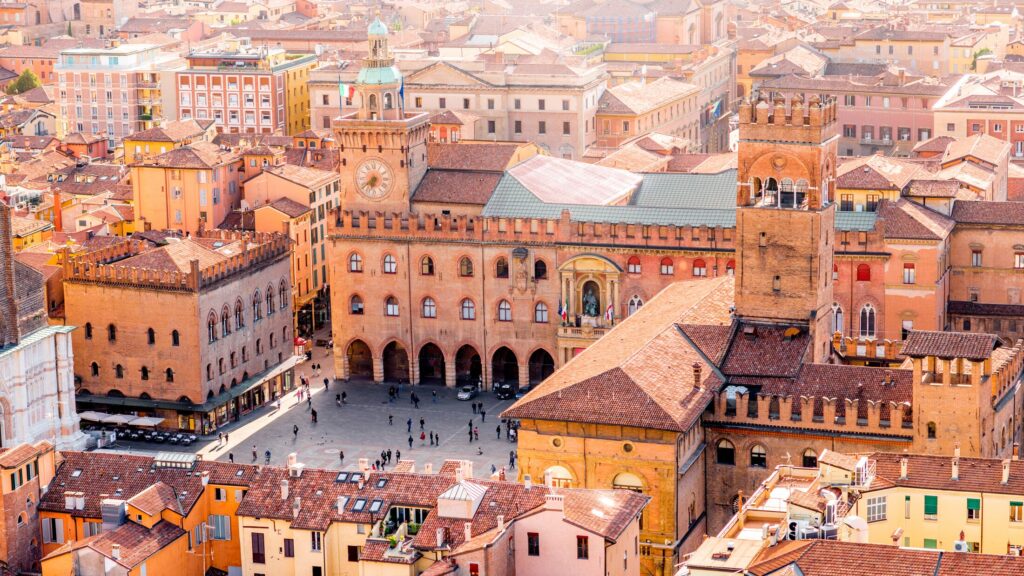
Another good choice is Bologna, particularly if you are driving between Venice and Florence.
For cheaper accommodation, search outside historic centres and check whether the property provides parking. Italian city-centre parking can quickly remove whatever money you saved on a discounted hotel room.
Austria: Alpine Landscapes and Elegant Cities
Austria works naturally into a road trip connecting Germany, Italy, Switzerland and Central Europe.
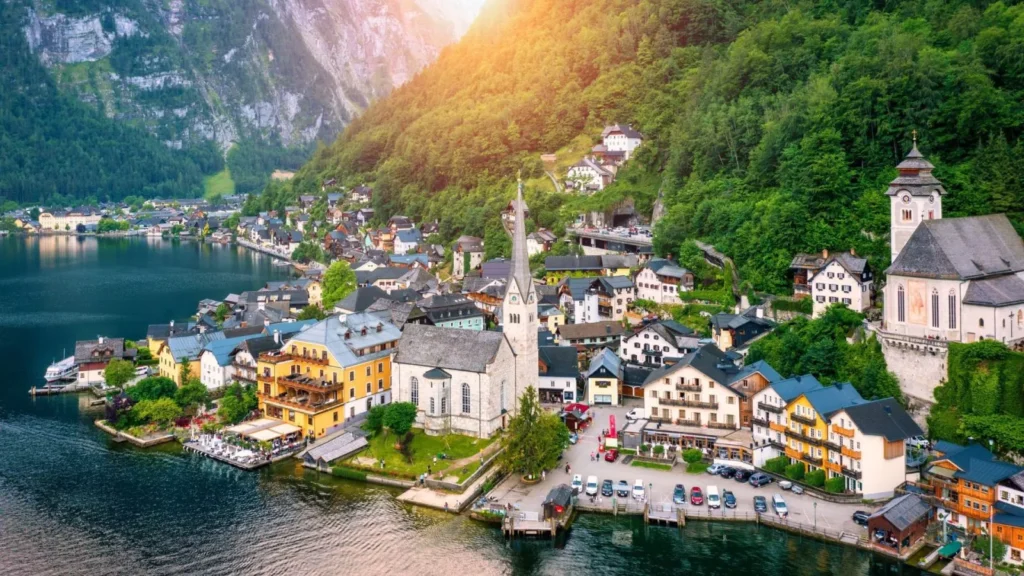
Innsbruck is especially attractive when arriving from northern Italy.
You are surrounded by mountains but still have the architecture, cafés and conveniences of a city.
Continue east and Salzburg becomes another excellent destination before Vienna.
Best food stop: Vienna
Vienna has an extraordinary café culture.
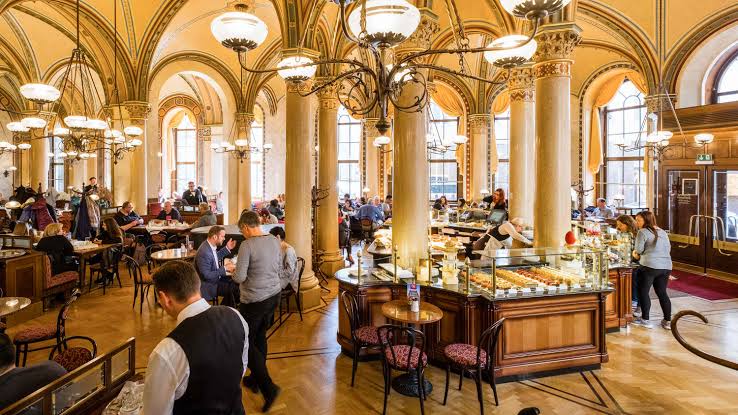
You can enjoy Wiener schnitzel, Tafelspitz, pastries, cakes and coffee while experiencing a city that feels both historic and sophisticated.
Best Austrian stopover
Salzburg works beautifully between Munich and Vienna.
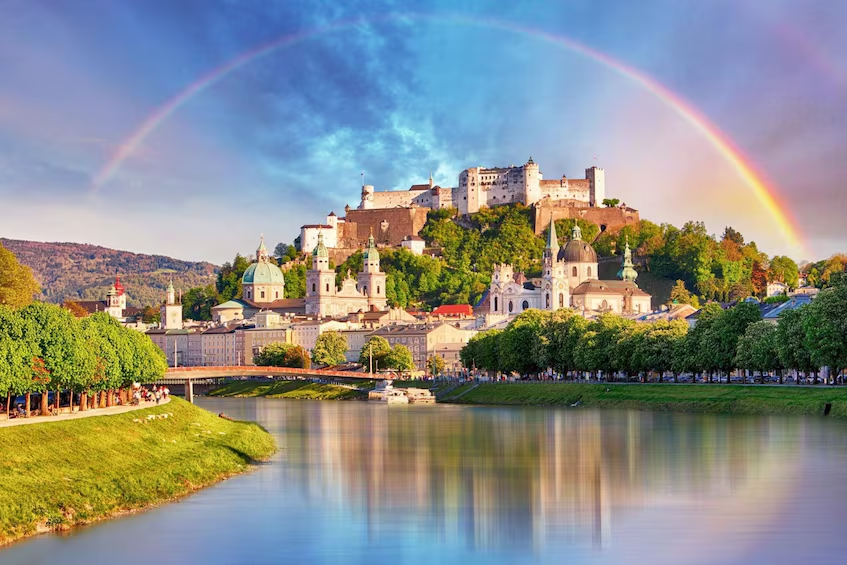
If traveling from Italy into Austria, Innsbruck is even more logical.
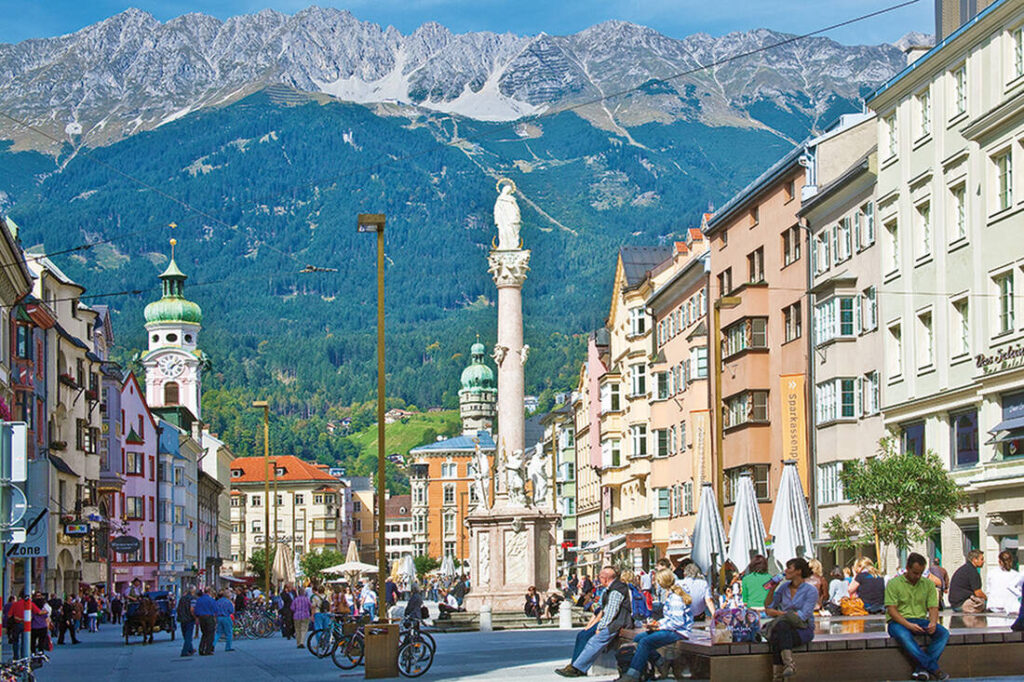
Both places give you enough to do for an evening while keeping you close to major road routes.
Germany: From Bavaria to the Black Forest
Germany’s road network makes it especially practical for long-distance travel.
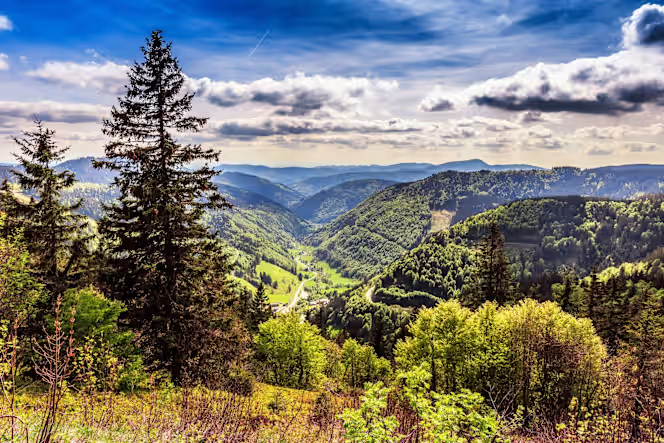
A classic route could include Munich, Füssen, the Bavarian Alps, Stuttgart and the Black Forest before continuing toward France.
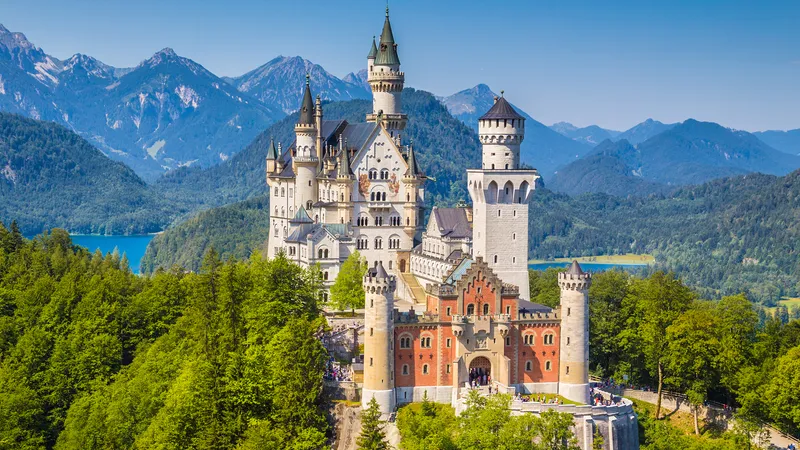
Neuschwanstein Castle near Füssen is one of Germany’s most famous attractions, but the surrounding Alpine landscape makes the journey worthwhile even before you arrive.
The Black Forest provides another completely different experience, with wooded roads, small towns and traditional villages.
Best food stop: Munich
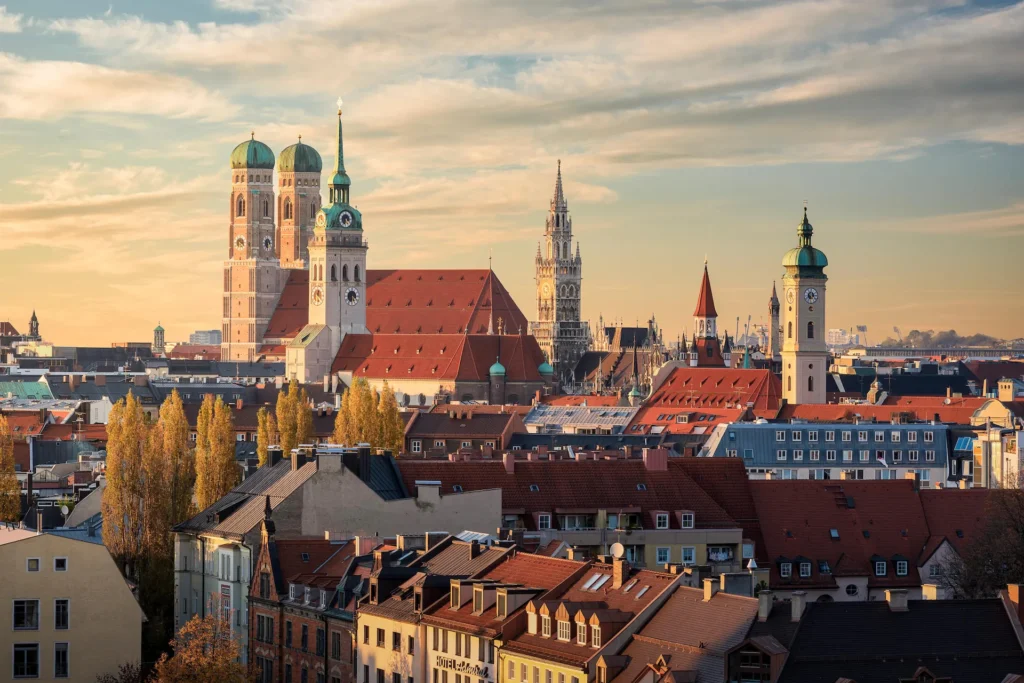
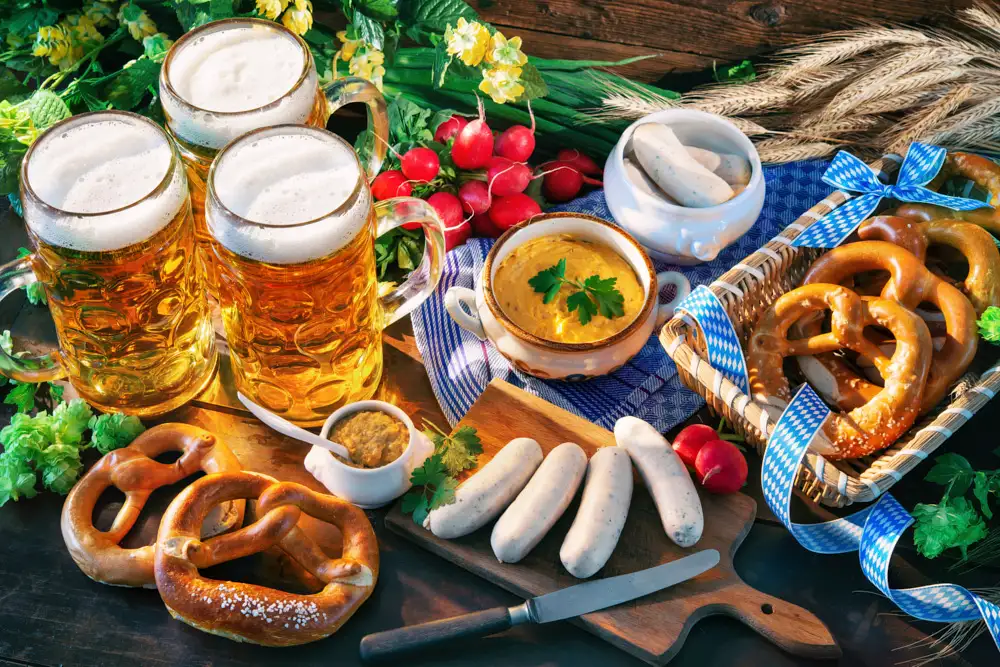
Munich is a natural place to explore Bavarian cuisine.
Try Weißwurst, pretzels, roast meats and regional dishes in traditional restaurants or beer halls.
Best German stopover
Freiburg im Breisgau works particularly well if you are heading between Germany, Switzerland and France.
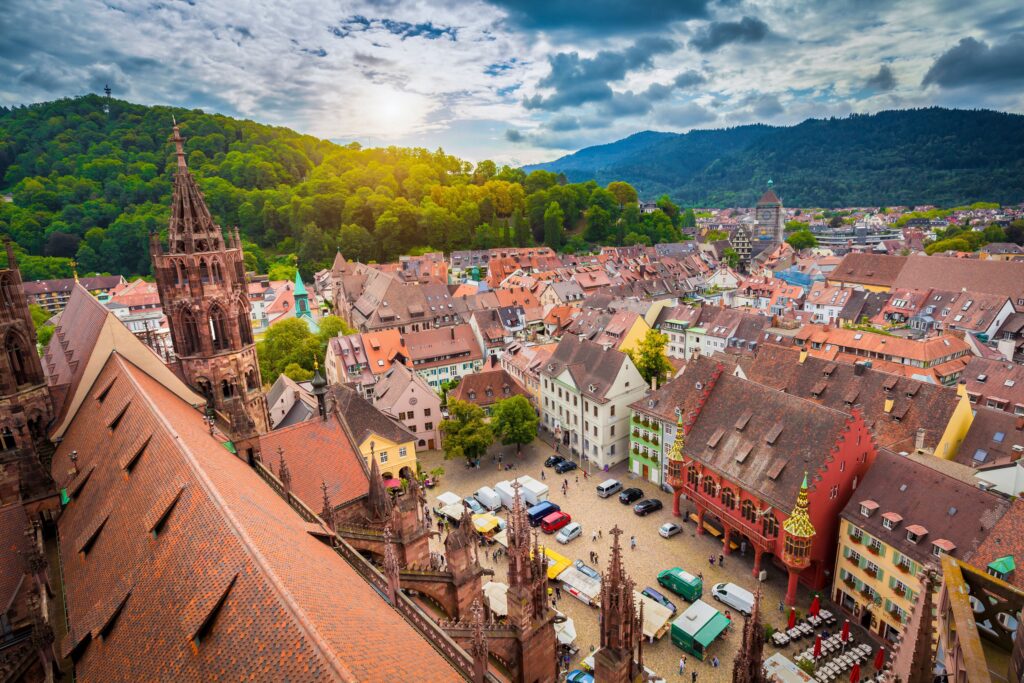
It is smaller than Munich, comfortable for an overnight stay and positioned near several attractive routes.
Slovenia and Croatia: Two Countries Made for Scenic Driving
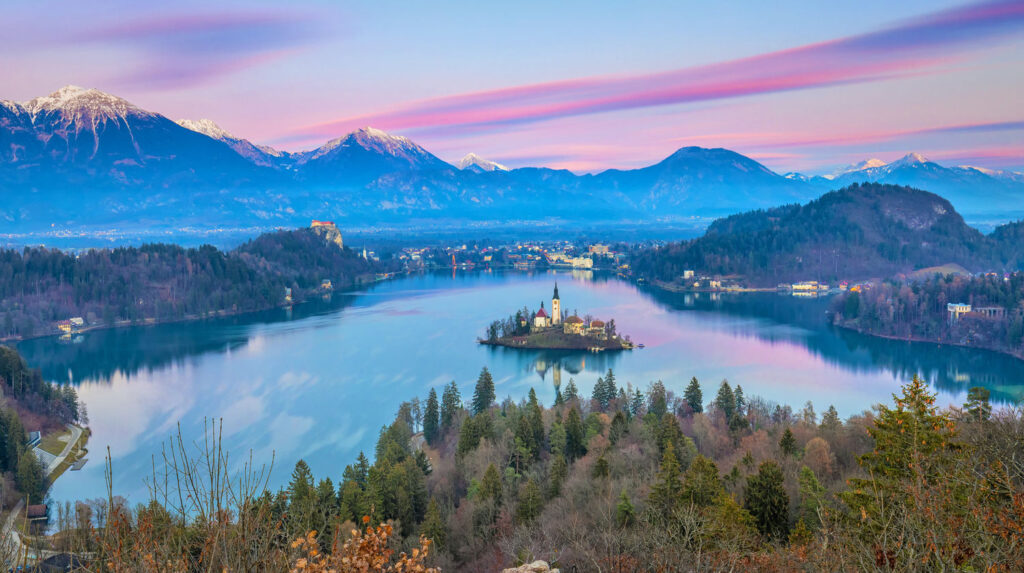
For travelers who continue southeast from Austria or Italy, Slovenia is an excellent surprise.
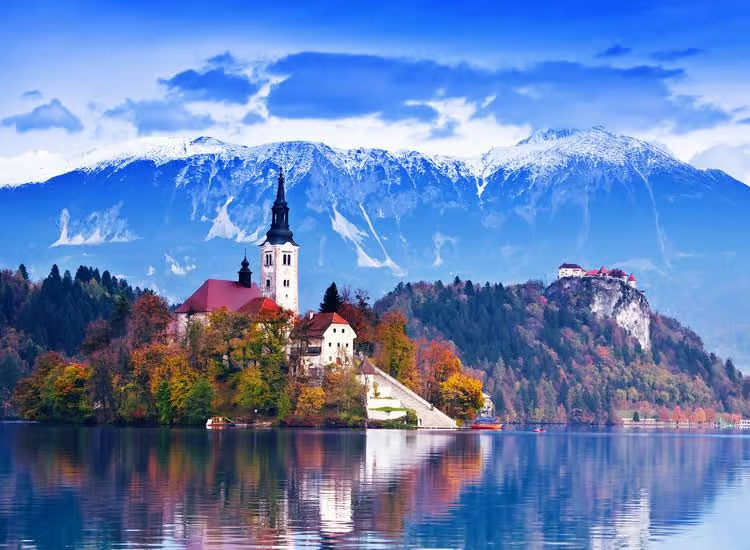
Lake Bled is the obvious attraction, but the Julian Alps and Soča Valley make driving here particularly rewarding.
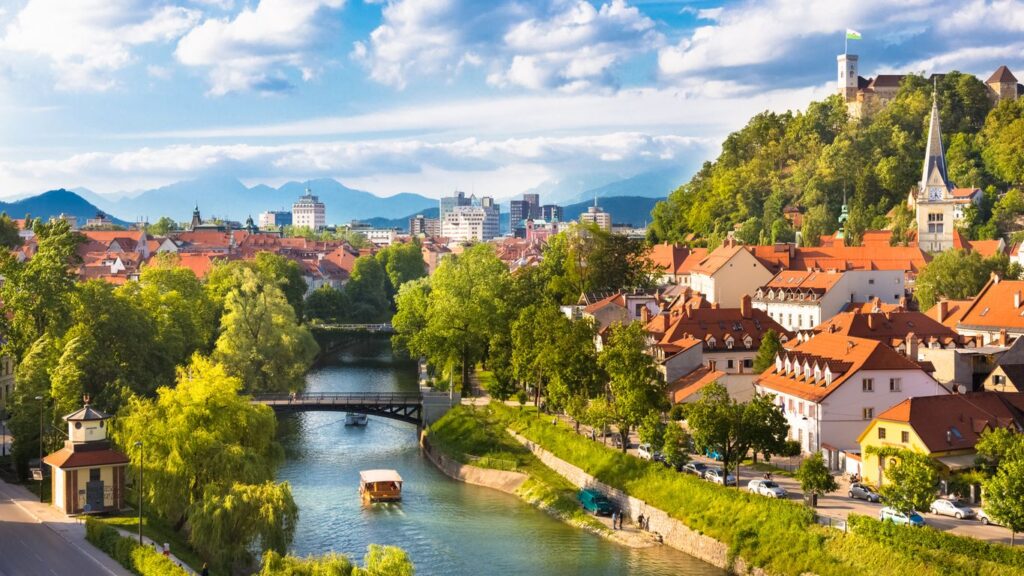
Ljubljana is compact and easy to combine with a wider itinerary.
From Slovenia you can continue south into Croatia.
Croatia gives you a completely different landscape, especially when your route reaches the Adriatic coast.
Destinations such as Rovinj, Zadar, Split and Dubrovnik can be connected into one long coastal journey.
Best food stops
In Slovenia, Ljubljana provides a good introduction to local cuisine.
In Croatia, coastal towns are excellent for grilled fish, seafood, octopus and dishes influenced by Mediterranean cooking.
Best stopovers
Lake Bled works naturally between Austria and Ljubljana.
In Croatia, Zadar makes an excellent stop when traveling the long stretch between Istria and Split.
Finding Affordable Places to Stay During a European Road Trip
Accommodation can become one of your largest expenses, especially when traveling for several weeks.
My first rule would be simple: do not automatically sleep in every famous city you visit.
You can visit expensive destinations during the day and sleep somewhere outside them.
Instead of central Venice, consider Mestre.
Instead of central Zurich, look at surrounding communities.
Instead of staying beside Lake Como, consider towns slightly farther inland.
Hostels are no longer only for backpackers. Many now offer private rooms, secure parking and family accommodations.
Guesthouses, small independent hotels and apartments can also provide excellent value.
For longer journeys, apartments with kitchens become especially useful because you do not have to eat in restaurants three times every day.
Another option is camping or campervan travel, although you need to follow country-specific rules about where overnight parking or camping is permitted.
Whatever you choose, I recommend prioritising four things:
- Secure parking
- Reliable guest reviews
- Easy road access
- Flexible cancellation when possible
A €10 cheaper hotel becomes a poor bargain if parking costs €30.
Before Crossing Europe, Check Your Vehicle Carefully
Beautiful scenery means very little if your car breaks down halfway up a mountain pass.
For long-distance road travel, vehicle preparation should be treated as seriously as booking accommodation.
Check the engine oil
Check your oil level before departure.
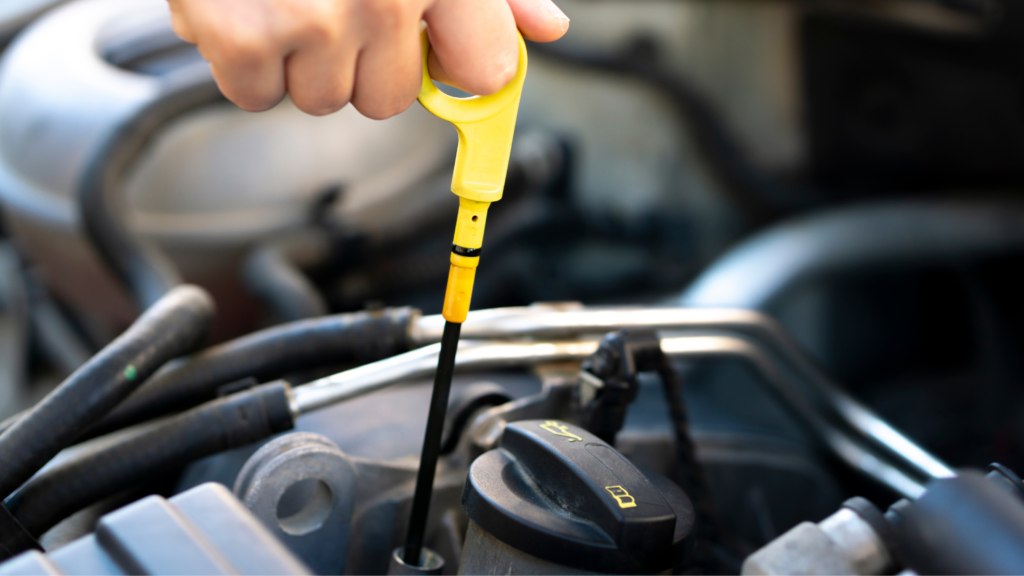
If your vehicle is approaching its scheduled oil change, I would change it before a long European trip rather than hope it lasts until I return.
Carry the correct specification of engine oil if your vehicle typically consumes some between services.
Check fuel and plan refuelling stops
Do not wait until the fuel warning appears, particularly in rural or mountain areas.
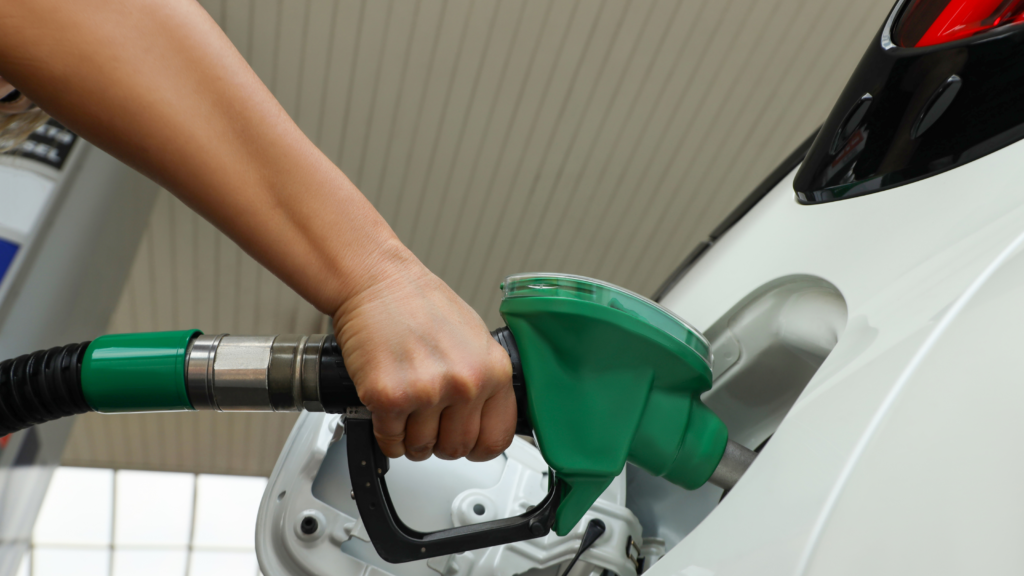
Motorway fuel stations are convenient but can be more expensive. When possible, refuel before entering long motorway stretches.
For electric vehicles, charging infrastructure has expanded substantially, but route planning is still essential—particularly in rural areas and during busy travel seasons.
Inspect your brakes
Long mountain descents place significantly greater demands on your brakes than ordinary city driving.
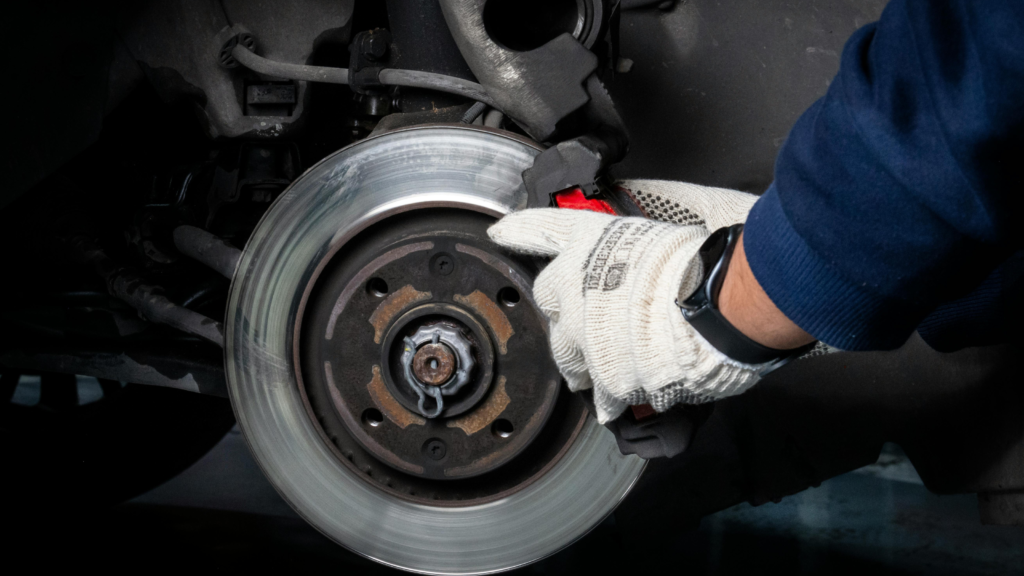
Have the brake pads, discs and brake fluid checked before departing.
If you notice vibration, squealing, poor pedal response or unusually long stopping distances, resolve the problem before beginning the journey.
Check your tyres
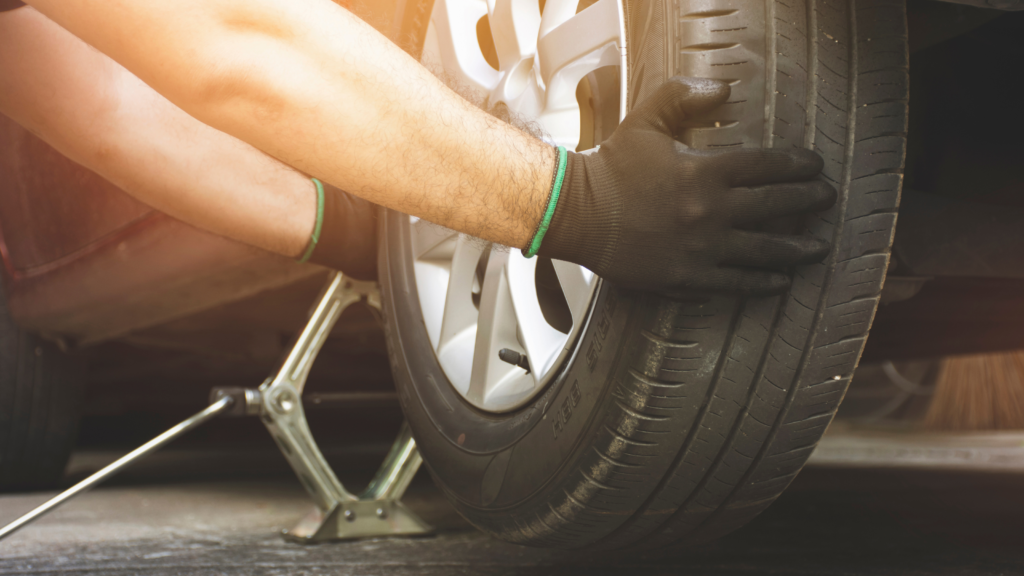
Tyres are one of the most important safety components on the vehicle.
Check:
- Tyre pressure
- Tread depth
- Uneven wear
- Cuts or bulges
- Spare tyre or tyre repair kit
Remember that pressure recommendations may change when the vehicle is heavily loaded with passengers and luggage.
Weather also matters. Depending on your route and season, countries may impose specific winter tyre or equipment requirements.
Check coolant and other fluids
Your vehicle may encounter everything from Mediterranean heat to cold mountain conditions during one trip.
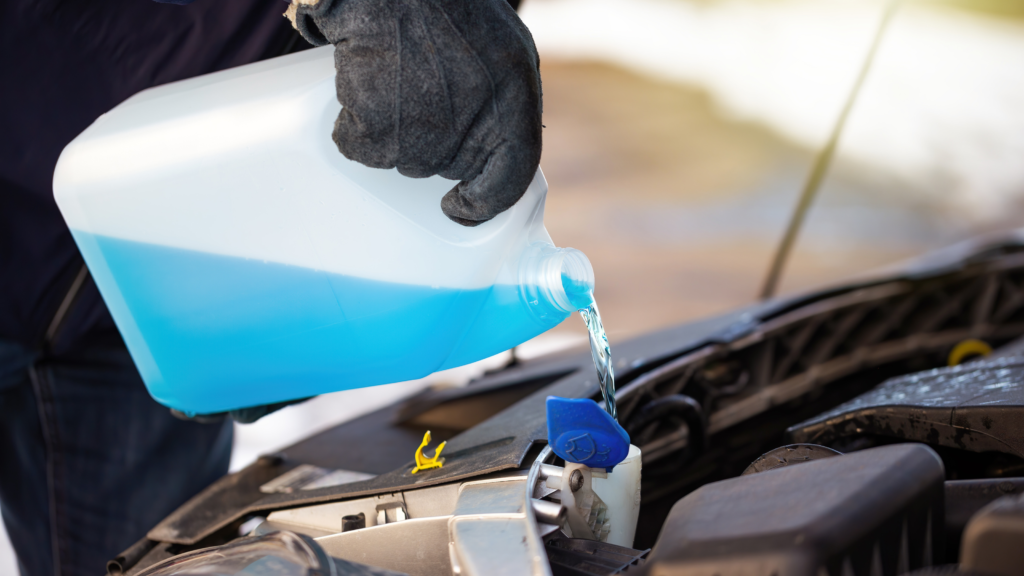
Check coolant, windscreen washer fluid, transmission fluid where applicable and power-steering fluid on vehicles that require it.
Check your lights
Make sure headlights, brake lights, indicators, fog lights and number-plate lights are functioning.
Different European countries can also have different requirements for equipment carried in the vehicle.
Before departure, check the current rules for every country on your route rather than assuming one country’s requirements apply everywhere. The EU specifically notes that traffic regulations are not uniform across member states.
Remember Tolls, Vignettes and Low-Emission Zones
Cross-border European driving is relatively easy, but road charging systems vary.
Some countries rely heavily on motorway toll booths, while others require motorway vignettes.
Cities may also operate low-emission zones that restrict particular vehicles.
France, for example, uses the Crit’Air environmental sticker system in designated areas. Other European countries have their own systems or restrictions.
Research these before arriving.
Finding out that your hotel is inside a restricted zone after you have already driven there is not the kind of spontaneous travel experience anyone wants.
What Makes a European Road Trip So Exciting?
The most exciting aspect is not simply seeing more countries.
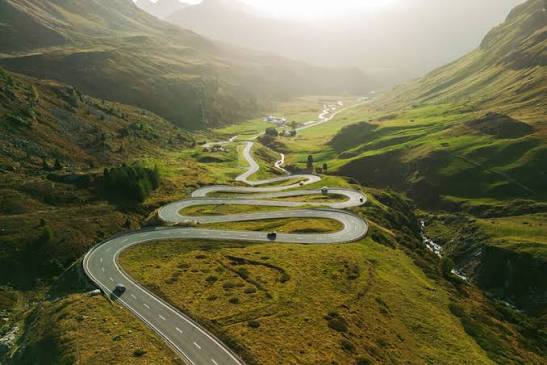
It is watching Europe change gradually.
You leave southern France and road signs begin appearing in Italian.
Mountain architecture changes.
The coffee changes.
Lunch changes.
Fuel stations sell different snacks.
By the time you reach Austria, the Mediterranean atmosphere has been replaced by Alpine villages.
Several hours later you may be in Germany.
Continue east and you can reach Slovenia or Croatia.
Travel north and another completely different Europe appears.
That continuity is difficult to appreciate when you fly.
Driving also introduces an element of uncertainty that I enjoy.
You may discover that the tiny town you chose only because you needed dinner becomes one of your favourite places.
A scenic road may take twice as long as planned because you keep stopping for photographs.
You may decide that one night in Tuscany should become three.
Those changes are not necessarily failures of planning.
Often, they are the entire point.
A Sample Multi-Country European Road Trip
If I had several weeks available, one route I would seriously consider would be:
Paris → Loire Valley → Lyon → Avignon → Nice → San Sebastián → Barcelona → French Alps → Switzerland → Lake Como → Milan → Verona → Venice → Bologna → Florence → Innsbruck → Salzburg → Munich → Black Forest → Alsace → Paris
It would be a long journey, but that is precisely what makes it appealing.
You would experience French wine regions, Mediterranean beaches, Basque food culture, Spanish architecture, Alpine mountains, Italian lakes, Renaissance cities, Austrian valleys, Bavarian towns and German forests—all without needing to enter an airport after beginning the journey.
A different southern route could continue from Italy through Slovenia and Croatia, eventually following the Adriatic coast.
Europe gives you the freedom to design these journeys around whatever matters most to you—food, fashion, history, beaches, mountains, photography or simply driving.
Final Thoughts: Sometimes the Journey Is the Destination
Traveling Europe by land requires more effort than flying.
You need to understand road rules, plan fuel stops, think about parking, inspect your vehicle, budget for tolls and sometimes change your route because weather or traffic has other plans.
But those inconveniences are part of what makes the experience feel real.
You remember the mountain road where you stopped for coffee.
You remember the family-run guesthouse outside Florence.
You remember buying bread from a village bakery in France because you were hungry and happened to see it beside the road.
You remember driving into Switzerland while snow-covered mountains slowly appeared in front of you.
You remember the restaurant in Bologna you never would have discovered if you had flown directly to Rome.
Those moments happen because you are traveling through Europe rather than simply traveling to European destinations.
For me, that is the real attraction of a European road trip.
The famous cities are still there waiting for you. Paris, Barcelona, Milan, Vienna and Munich are wonderful destinations in their own right.
But when you travel by land, the road connecting them becomes another destination altogether—and sometimes it becomes the part of Europe you remember most.