

The idea of supporting your skin “from within” has become an important part of the UK beauty and wellness market. Today, shoppers can choose from traditional multivitamins containing vitamin C, biotin and zinc, marine collagen powders, hyaluronic acid capsules, omega-3 oils, botanical antioxidants and increasingly complex formulas designed specifically for skin, hair and nails.
However, not every beauty supplement is the same, and a premium-looking bottle does not necessarily mean that a product has stronger scientific evidence or more rigorous laboratory testing.
For this guide, I looked at established and emerging supplement companies available in the UK, focusing specifically on their skin-health ranges, company history, manufacturing practices, testing transparency and the ingredients they use.
An important clarification is necessary before comparing them: ordinary food supplements in the UK do not receive a medicine-style “licence to operate” or individual medicinal product licence simply because they contain vitamins. They are principally regulated as foods. The Food Supplements Regulations set composition and labelling requirements, while only authorised nutrition and health claims may be used in Great Britain. If a product is presented as treating, preventing or curing disease, the MHRA may instead classify it as a medicinal product.
With that distinction in mind, here are ten companies worth knowing.
1. Advanced Nutrition Programme
Established: 2006
Market: Premium professional skincare nutrition
Notable products: Skin Accumax, Skin Moisture Lock, Skin Omegas+, Skin Clear Biome, Skin Youth Biome
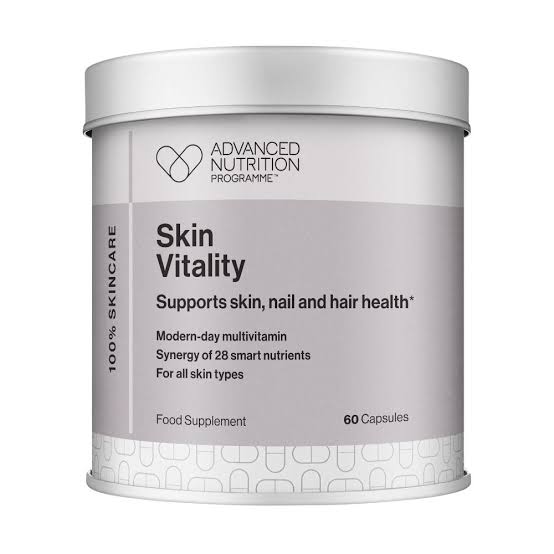
Advanced Nutrition Programme is one of the most specialised companies on this list because skin nutrition is not simply a small category within a large vitamin catalogue—it is central to the brand.
The company says it was founded in 2006 after research into how vitamins and nutrients could support skin from within. Its range now includes targeted products for normal skin health, hydration, ageing, the microbiome, omega fatty acids and general wellbeing.
One example is Skin Moisture Lock, which combines hyaluronic acid with a wheat-derived source of ceramides and manganese. Advanced Nutrition Programme reports results from a small pilot study involving 12 participants, although consumers should recognise that a small pilot is not equivalent to a large independent clinical trial.
What about its laboratories?
This is one of the more transparent brands in the group. Advanced Nutrition Programme says ingredients and finished products undergo testing for active ingredients, contaminants, heavy metals and microbes. The company states that products may undergo more than 400 tests during the development and manufacturing process and that ingredients are manufactured in GMP-certified facilities. It also reports independent third-party testing.
Strength: Particularly focused on skin science and product testing.
Potential drawback: The specialist formulas tend to sit at the premium end of the market, and some contain fish, wheat or other ingredients unsuitable for certain consumers.
2. Vitabiotics – Perfectil
Established: 1971
Market: Mainstream and premium vitamins
Notable skin range: Perfectil
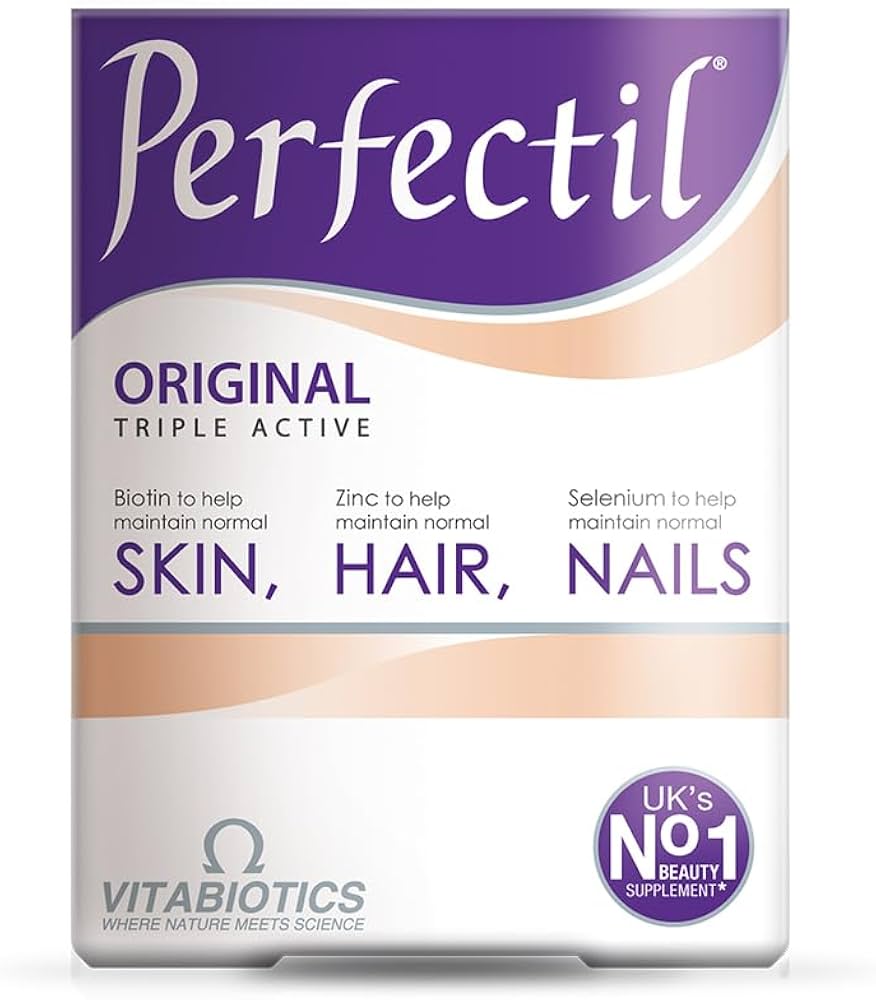
Vitabiotics is one of Britain’s longest-established vitamin businesses. Its own history traces the company back to 1971, and its portfolio has grown into numerous categories covering women, men, children, pregnancy and beauty nutrition.
For skin health, the key brand is Perfectil.
Perfectil Original contains more than 20 micronutrients. Among them are biotin, which has an authorised role in maintaining normal skin, and zinc, which contributes to the maintenance of normal hair, skin and nails. Higher-tier formulas such as Perfectil Max add additional nutritional components.
Vitabiotics also offers collagen-containing beauty products, including formulas combining marine collagen with botanical extracts and micronutrients.
What about its laboratories?
Vitabiotics heavily emphasises scientific formulation and published research. The company describes decades of research behind its nutrition brands, although consumers should still distinguish between studies involving particular ingredients or formulations and proof that every beauty claim applies equally to every person.
Strength: Long history, extensive formulations and easy UK availability.
Potential drawback: Multi-ingredient formulas can overlap substantially with other vitamins a person may already be taking.
3. Wild Nutrition
Established: 2013
Market: Premium natural and women’s nutrition
Notable product: Collagen 500 Plus and Food-Grown nutrient formulas
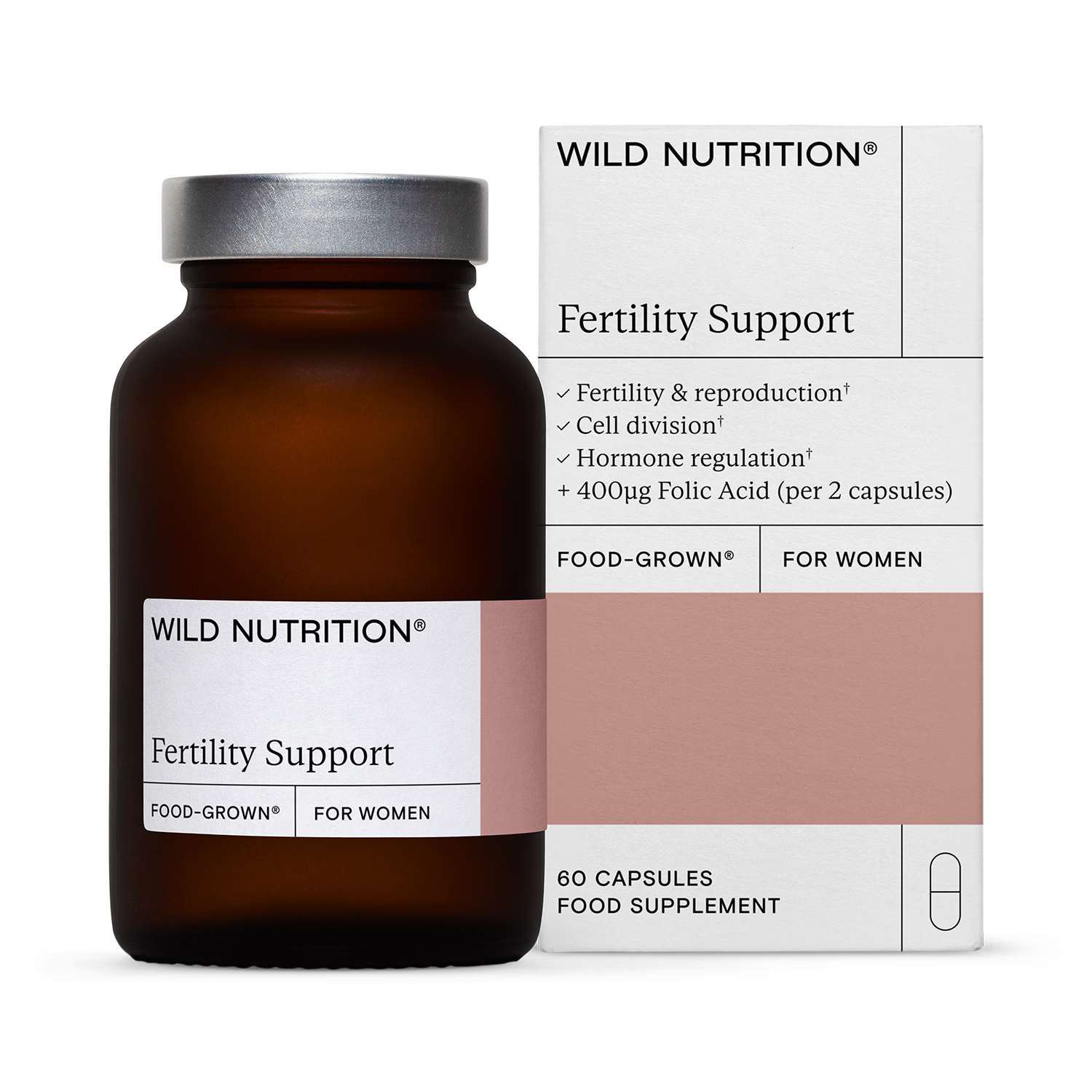
Wild Nutrition was founded by nutritional therapist Henrietta Norton and dates its brand history to 2013. The company specialises in what it calls Food-Grown nutrients and has a strong women’s-health market alongside products for skin, hair and nails.
Its Collagen 500 Plus combines hydrolysed marine collagen with silica, vitamin C, vitamin E and biotin. Vitamin C has an authorised health relationship with normal collagen formation for normal skin function, while biotin contributes to maintaining normal skin.
Laboratory and manufacturing standards
Wild Nutrition says its products are manufactured in the UK to Good Manufacturing Practice standards and that every batch undergoes independent third-party testing. It also identifies itself as a member of the Health Food Manufacturers Association.
That testing disclosure is important. Rather than simply claiming “premium ingredients,” the brand provides at least some information about how manufacturing quality is managed.
Strength: Strong manufacturing transparency and targeted formulas.
Potential drawback: Marine collagen products are unsuitable for vegans and people with certain fish allergies.
4. Rejuvenated
Established: Collagen Shots launched in 2003
Market: Beauty-from-within and healthy-ageing supplements
Notable product: Collagen Shots
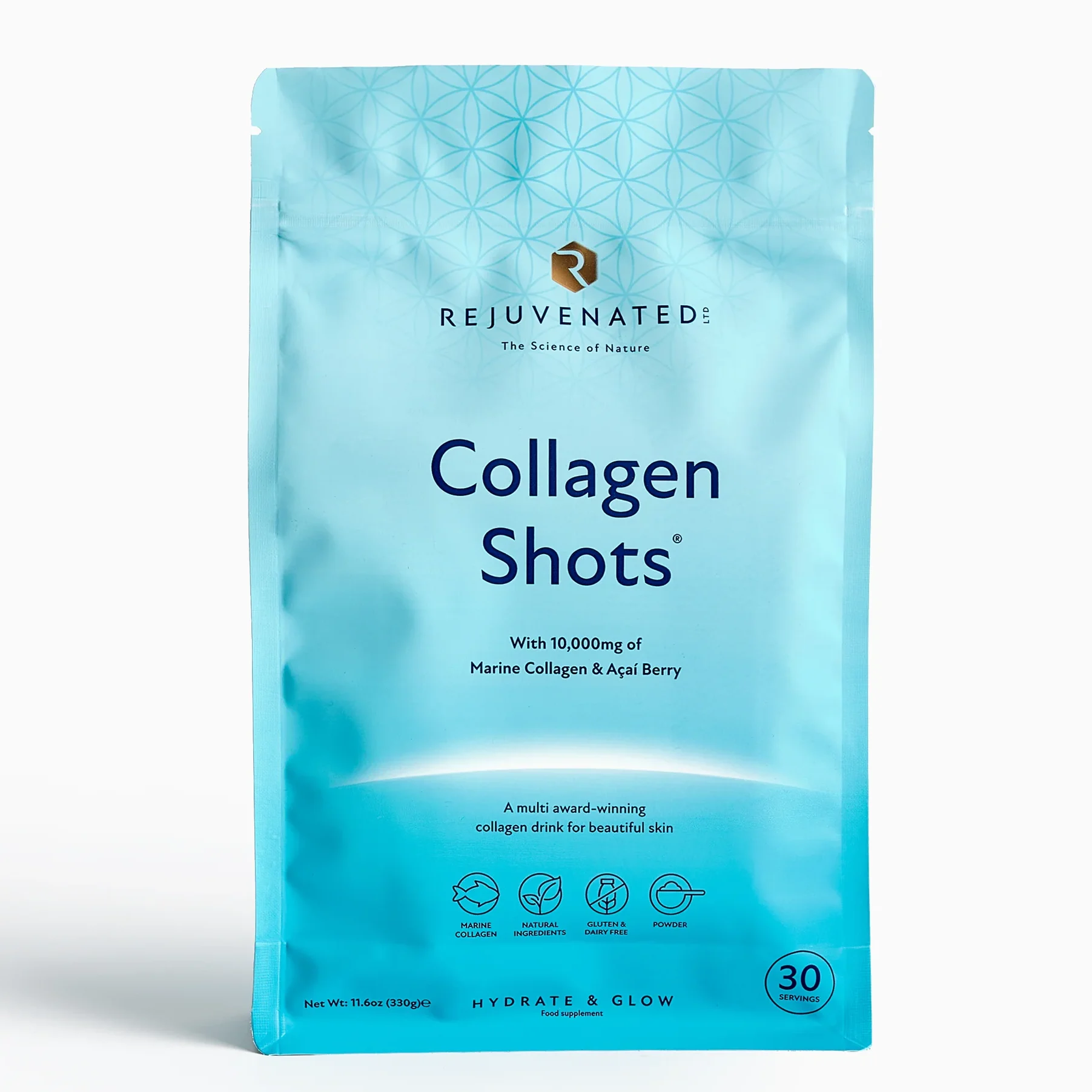
Rejuvenated is particularly interesting because it was working in the collagen category long before collagen powders became fashionable on social media. Founder Kathryn Danzey says she launched the company’s Collagen Shots in 2003.
The current Collagen Shots formulation provides 10,000 mg of hydrolysed marine collagen per serving, combined with additional beauty-focused nutrients.
Rejuvenated also markets skin hydration and antioxidant formulas and has positioned itself firmly within the “beauty from within” category.
Laboratory evidence
The company says Collagen Shots were tested in an independent 60-day study at GBA Polska Analytical Laboratories involving 30 healthy women aged 35–55. Reported outcomes included improvements in measures such as elasticity, hydration and radiance. As with any brand-sponsored research, the study design, sample size and independence should be considered when interpreting the results.
Rejuvenated also states that its products use UK-based manufacturing and are developed with nutritionists and scientists.
Strength: Long history in ingestible collagen and some product-specific clinical testing.
Potential drawback: Premium collagen products can become expensive when taken continuously.
5. Bare Biology
Established: 2013
Market: Premium omega-3, collagen and women’s wellness
Notable skin product: Skinful Marine Collagen
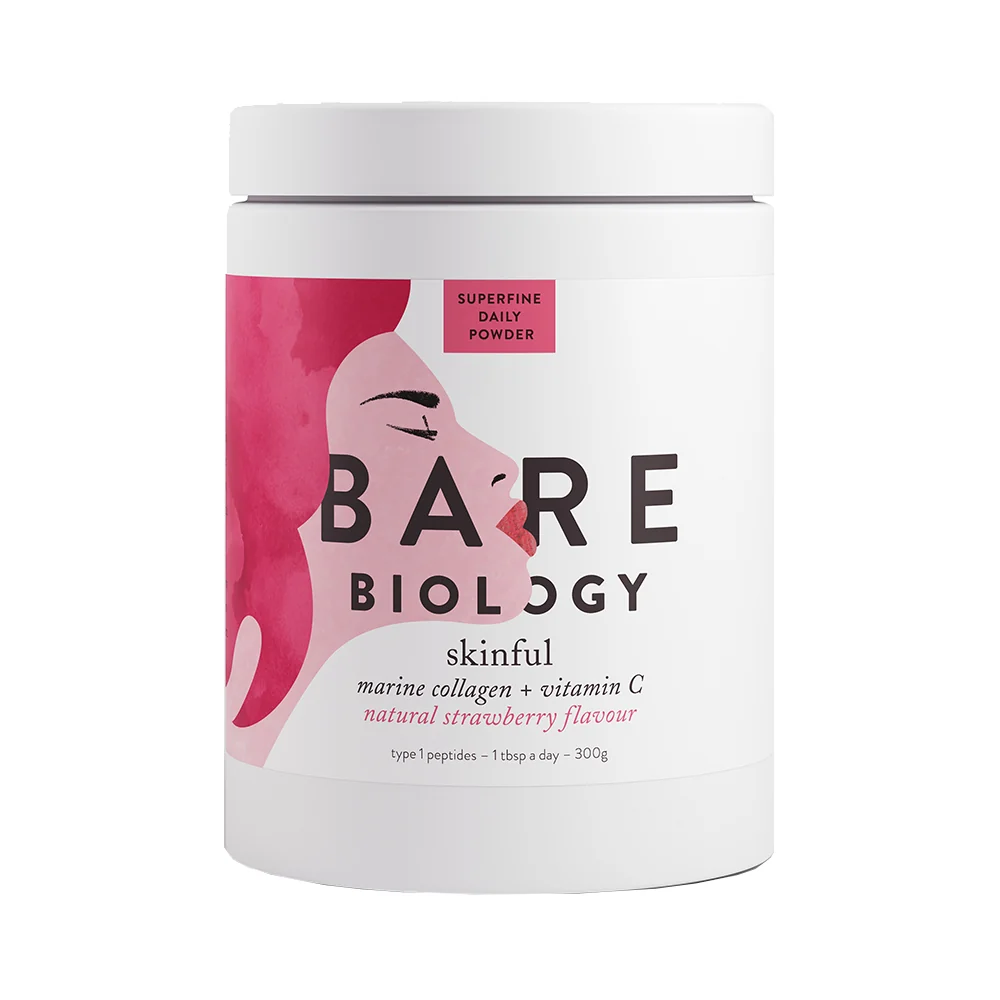
Bare Biology was launched in 2013 by Melanie Lawson, initially focusing strongly on high-quality omega-3 products.
The company has since expanded into collagen, vitamin D, magnesium and other nutritional categories. Its skin-oriented range includes Skinful Pure Marine Collagen.
What makes Bare Biology particularly interesting is its emphasis on ingredient purity rather than simply the number of ingredients in a formula.
Laboratory testing
Bare Biology says every batch of its omega-3 supplements is tested through the International Fish Oil Standards programme and also undergoes the company’s own testing. The brand publishes batch-testing information and states that its supplements are manufactured under applicable GMP principles.
This is particularly relevant for marine oils because quality involves more than EPA and DHA numbers. Oxidation, freshness and contaminants also matter.
Strength: High transparency around omega-3 purity and third-party testing.
Potential drawback: Much of its strongest testing story concerns omega-3 products rather than proving cosmetic outcomes from every beauty supplement.
6. Fitimins
Operating company: Factra Ltd
Company registration: England and Wales company no. 10671550
Market: Specialist UK vitamins, nootropics and wellness supplements
Notable skin product: Marine Collagen 2000mg
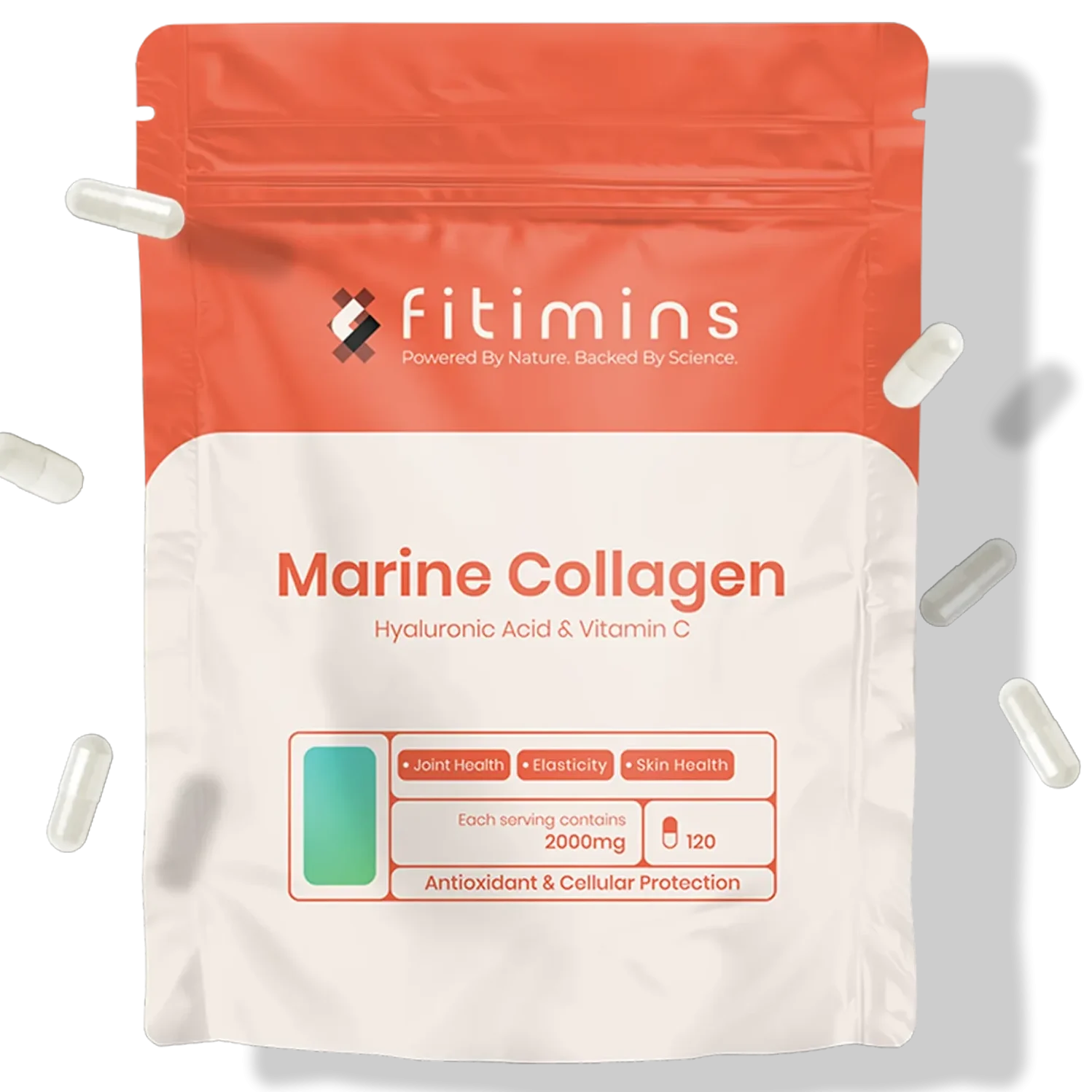
Fitimins deserves inclusion among the UK brands to watch because it combines a broad supplement portfolio with a dedicated skin-health category.
Fitimins is owned by Factra Ltd, which the company’s legal pages identify as an English and Welsh registered company. Unlike medicinal products, its ordinary supplements do not require an MHRA medicine licence merely to be marketed as food supplements.
One of the company’s most relevant beauty products is Marine Collagen 2000mg, combining marine collagen, hyaluronic acid and vitamin C. Fitimins positions the formula around skin, hair and nail support.
From a regulatory perspective, the strongest established claim within that combination is vitamin C’s contribution to normal collagen formation for normal skin function; broader promises about reversing ageing or wrinkles require more cautious interpretation.
Laboratory and formulation approach
Fitimins says its supplements are made in the UK and that formulas are developed by an in-house formulation/chemist team. The company also maintains a scientific-studies section linking ingredients to research literature.
However, compared with companies that publicly describe batch-by-batch independent testing protocols or specific GMP/BRC certifications, consumers may reasonably want additional information about third-party verification for individual products.
Strength: Broad ingredient selection, UK formulation and relatively accessible pricing.
Potential drawback: More detailed public batch-testing and certification information would make comparisons with highly transparent competitors easier.
7. Nutravita
Established: 2014
Market: Affordable mainstream nutritional supplements
Notable products: Marine Collagen with Hyaluronic Acid, biotin, vitamin C, vitamin E
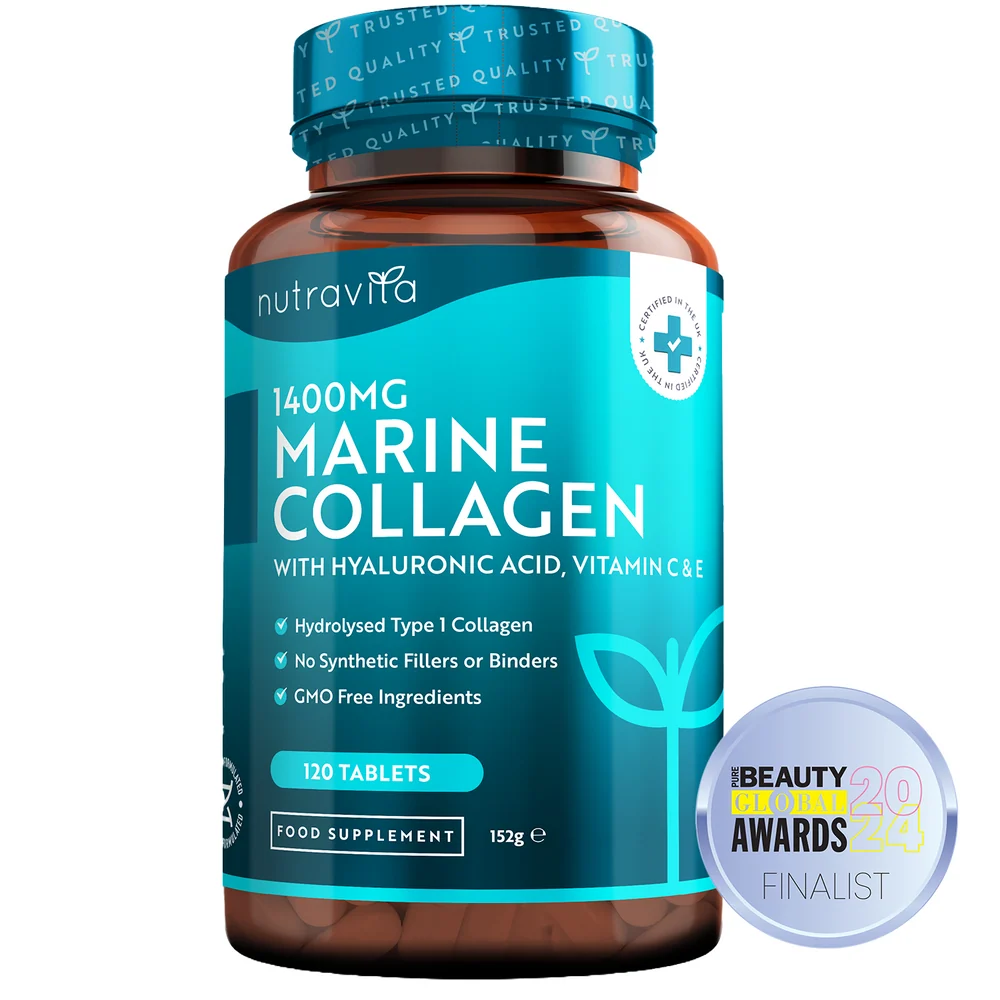
Nutravita says it was established in 2014 and now sells more than 100 supplement formulations.
For skin health, shoppers can find marine collagen with hyaluronic acid, bovine collagen powder, biotin with zinc and selenium, vitamin C and vitamin E products.
Its range therefore suits consumers who prefer buying individual nutrients rather than one complicated beauty formula.
Manufacturing and laboratories
Nutravita says its products are manufactured, batch-tested and certified in the UK and refers to GMP and BRC manufacturing standards. The company also says it uses pharmacologists, chemists and research scientists in its product-development process.
Strength: Broad selection and relatively transparent manufacturing information.
Potential drawback: Some individual supplements are supplied at high nutrient percentages, so consumers need to consider what they already obtain from food and other supplements.
8. Cytoplan
Established: The company cites a long history dating back several decades
Market: Practitioner-oriented and food-based supplementation
Notable products: CytoProtect Hair, Skin & Nails and Skin Collagen Support
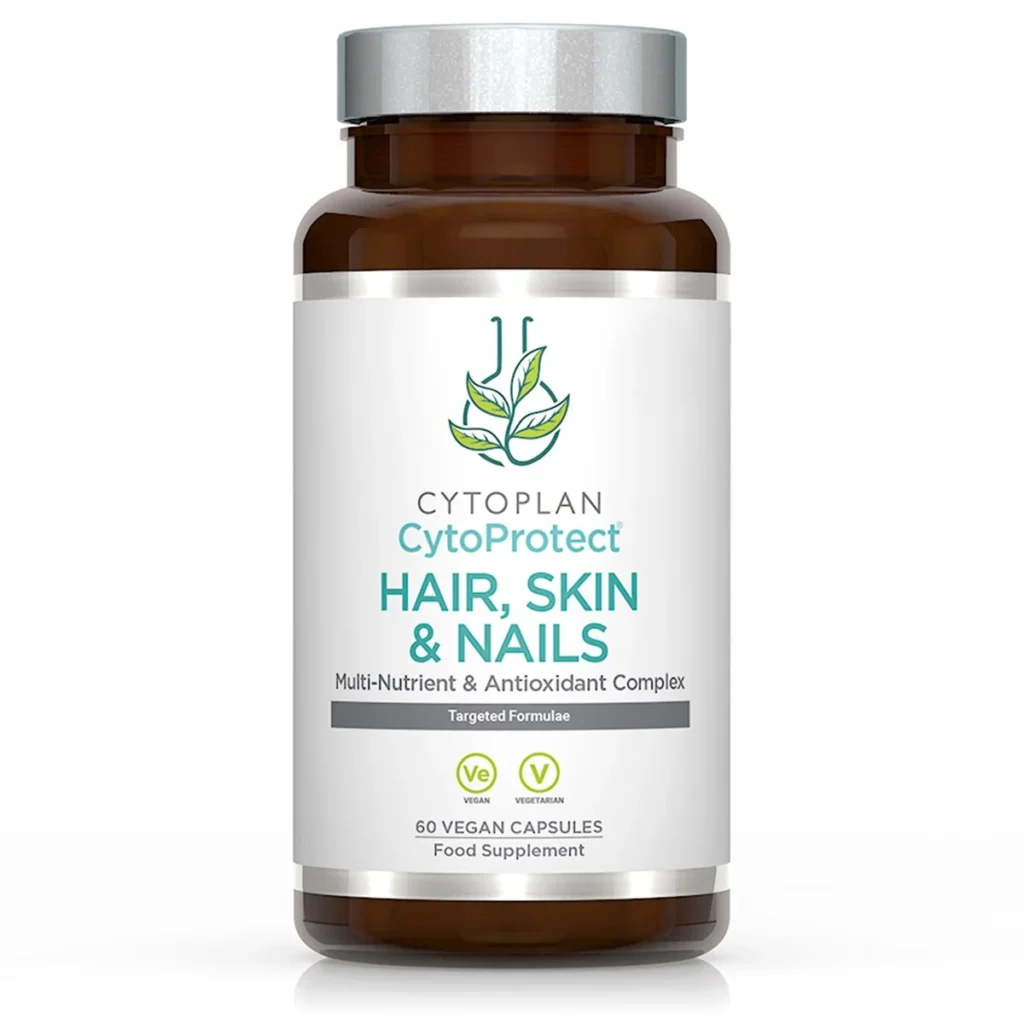
Cytoplan is a British supplement company with roots stretching back several decades. Its current materials describe a long history in food-based nutritional products and a practitioner-led approach.
Its CytoProtect Hair, Skin & Nails formula contains biotin, zinc, selenium and vitamin C along with MSM and botanical ingredients.
Cytoplan also offers Skin Collagen Support, combining vitamin C, hyaluronic acid and a plant-based “vegan collagen” blend with botanical antioxidants.
Consumers should understand that products marketed as vegan collagen generally do not contain animal-derived collagen protein in the same way marine or bovine collagen does. Instead, they usually provide amino acids or compounds intended to support the body’s own collagen pathways.
Laboratory standards
Cytoplan says all its products are manufactured in GMP facilities. It also describes supplier auditing, raw-material specifications and checks involving heavy metals, allergens, GMOs, solvents, pesticides and other safety factors.
Strength: Detailed raw-material quality and supplier-control policies.
Potential drawback: The practitioner-oriented range can be more complicated for consumers unfamiliar with nutritional terminology.
9. Holland & Barrett
Established: 1870
Market: Mass-market health and wellness retail
Products: Own-brand vitamins, collagen, biotin, silica and hair/skin/nail formulas

Holland & Barrett differs from most companies here because it is both a retailer and a major own-brand supplement business.
Its roots go back to 1870, when the original business began as a grocery store. Today its catalogue spans vitamins, minerals, herbal supplements, collagen and dedicated hair, skin and nail products.
The advantage here is accessibility. Consumers can compare collagen, biotin, vitamin C, zinc, silica and botanical formulas in physical shops as well as online.
The company’s own educational material is also somewhat more cautious than many beauty-marketing pages. For example, recent expert-reviewed content notes that biotin’s reputation for nail growth can run ahead of the medical evidence and highlights the importance of overall nutrition and possible underlying deficiencies.
Strength: Accessibility, price range and broad choice.
Potential drawback: Because the assortment is huge and includes both own-label and third-party brands, manufacturing and testing standards must be assessed product by product rather than assumed across everything on the shelf.
10. Healthspan
Established: 1996
Market: Direct-to-consumer vitamins, nutrition and healthy ageing

Healthspan was founded by Derek Coates in 1996, initially offering six products before expanding substantially. Its portfolio now extends across vitamins, minerals, nutrition and skincare.
Healthspan is less exclusively focused on “beauty supplements” than Advanced Nutrition Programme or Rejuvenated, but its longevity in the UK nutritional market makes it relevant when consumers are comparing established supplement companies.
Its broader positioning also highlights an important point: healthy skin is not dependent upon a single “beauty vitamin.” Adequate nutrition, protein, essential fatty acids and overall health matter alongside specific beauty-oriented formulations.
Strength: Established British supplement history and broad nutritional range.
Potential drawback: Consumers looking specifically for highly specialised skin-nutrition systems may find more targeted choices elsewhere on this list.
Which Vitamins Actually Matter for Skin Health?
The strongest argument for vitamins is not that taking huge amounts will create flawless skin. It is that certain nutrients are required for normal biological processes, including those involving skin.
| Nutrient | Role relevant to skin | Common supplement form | Main consideration |
| Vitamin C | Contributes to normal collagen formation and helps protect cells from oxidative stress | Ascorbic acid, buffered vitamin C | More is not automatically better |
| Biotin (B7) | Contributes to maintenance of normal skin and hair | Biotin tablets/capsules | Deficiency is uncommon in people with balanced diets |
| Zinc | Contributes to maintenance of normal skin, hair and nails | Zinc citrate, picolinate, gluconate | High long-term intake can interfere with copper |
| Vitamin E | Helps protect cells from oxidative stress | Natural or synthetic tocopherol | Fat-soluble; excessive supplementation is unnecessary |
| Vitamin A | Required for normal skin and epithelial biology | Retinol or beta-carotene | Excess preformed vitamin A can be harmful, particularly in pregnancy |
| Vitamin D | Important for wider health and cell function | D3 or D2 | Dose should reflect dietary/sun exposure and individual need |
| Collagen peptides | Provide amino acids used in connective tissues | Marine or bovine collagen | Evidence is promising but not equivalent to a medicine |
| Omega-3 | Essential fatty acids with roles throughout cell membranes and normal physiology | Fish oil or algae oil | Purity, oxidation and EPA/DHA levels matter |
| Hyaluronic acid | Naturally occurs in connective tissues and is widely used in beauty supplements | Sodium hyaluronate | Oral beauty evidence is less established than basic vitamin functions |
| Botanical extracts | May provide polyphenols or other bioactive compounds | Turmeric, grape seed, acerola, bilberry etc. | Evidence and drug-interaction risks vary considerably |
Vitamin C has one of the clearest connections because it is necessary for collagen synthesis. The body also needs sufficient protein, zinc, copper and other nutrients to manufacture collagen naturally.
Vitamins Versus Herbal Supplements
It is important not to treat vitamins and herbal products as interchangeable.
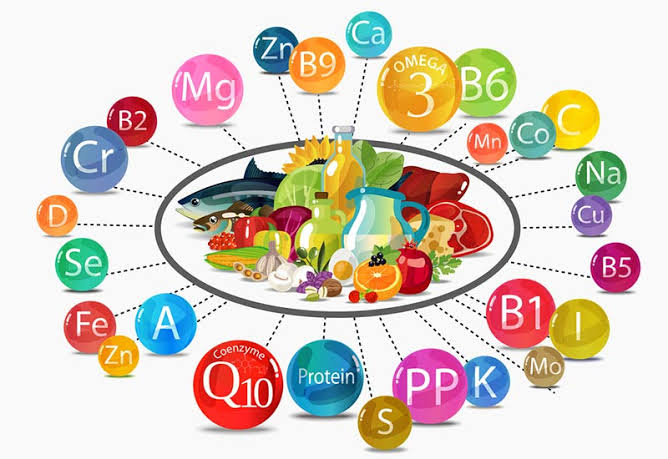
Vitamins and minerals are nutrients the human body requires in defined amounts. Deficiencies can therefore produce genuine health consequences.
Herbal supplements, by contrast, contain plant-derived compounds such as turmeric, ashwagandha, grape seed, saw palmetto or other botanical extracts. Their biological effects can be more complicated, and the evidence can vary enormously from one plant to another.

A product containing a botanical ingredient is not automatically safer simply because it is “natural.”
The MHRA operates a Traditional Herbal Registration (THR) system for herbal products that are presented as medicines for certain minor conditions. A registered product can display a THR number. Importantly, the traditional-use basis of a THR does not mean the same thing as clinical proof of efficacy.
Meanwhile, botanicals sold simply as food supplements remain under food law unless their composition or claims cause them to be classified as medicines.
How Are Skin Supplements Regulated in the UK?
The UK system is more regulated than the phrase “supplements are unregulated” suggests, but it is also different from pharmaceutical regulation.

Food supplements must comply with the Food Supplements Regulations and wider food-safety and labelling legislation. Permitted vitamin and mineral forms are controlled, and food businesses are responsible for placing safe products on the market.
Health claims are another major part of regulation.
A company cannot legally invent a medical benefit simply because an ingredient sounds scientific. In Great Britain, authorised nutrition and health claims are recorded in the official Great Britain Nutrition and Health Claims Register.
If a company markets a vitamin supplement as curing acne, treating eczema or preventing a disease, for example, that can potentially move the product into medicinal territory. The MHRA determines whether a product should be classified as a medicine based partly on its composition and presentation.
Food safety requirements also include controls relating to chemical contaminants such as certain metals and other undesirable substances.
This is why GMP, BRC/BRCGS, HACCP practices, raw-material screening and independent laboratory testing can be useful additional indicators when assessing a manufacturer.
Are Skin Vitamins Safe?
For most healthy adults, appropriately formulated vitamin supplements used at recommended doses are generally intended to supplement the diet rather than replace it.

But “vitamin” does not mean “risk-free.”
Water-soluble vitamins are often assumed to be completely harmless because excess quantities can be excreted, but high doses can still cause adverse effects.
Fat-soluble vitamins such as A, D, E and K deserve particular attention because the body can store them.
There are also possible interactions between supplements and medicines. NHS guidance routinely advises patients to tell their doctor or pharmacist about herbal products, vitamins and supplements they take because interactions may occur and information for some herbal combinations remains limited.
Pregnancy creates another important consideration. Certain high-dose vitamin A products, botanical ingredients and specialist formulas may not be appropriate during pregnancy or breastfeeding.
Fish-derived collagen or omega-3 formulas can also present allergy issues, while vegan consumers need to distinguish marine or bovine collagen from plant-based “collagen support” formulas.
The Pros of Skin Supplements
- They can help correct or prevent nutritional shortfalls when dietary intake is inadequate.
- Targeted formulas make obtaining nutrients such as vitamin C, zinc and biotin convenient.
- Collagen peptides may offer modest benefits to skin hydration or elasticity in some studies, although evidence quality varies. A 2023 meta-analysis reported improvements in skin hydration and elasticity across oral collagen studies.
- Reputable manufacturers increasingly publish laboratory, sourcing and batch-testing information.
- Some formulas combine nutrients with complementary roles, reducing the need for multiple separate products.
The Cons
- Benefits may be exaggerated by beauty marketing.
- Taking several overlapping products can lead to unnecessarily high nutrient intakes.
- Supplements can be expensive when used every day for months or years.
- Herbal ingredients can interact with prescription medicines.
- Fish or bovine collagen is unsuitable for some dietary preferences and allergies.
- A supplement cannot replace adequate nutrition, sleep, sun protection or medical treatment.
- Evidence for ingredients such as collagen is still evolving. Even respected medical sources note that research remains less conclusive than the advertising around collagen often implies.
What Should You Look for in a Supplement Company’s Laboratory Standards?
I would pay more attention to testing systems than to pictures of scientists wearing white coats.

Useful quality indicators include:
- GMP manufacturing – showing that established production controls are followed.
- BRC or BRCGS certification – particularly relevant to food safety and manufacturing.
- Independent third-party analysis – stronger than relying exclusively on an internal laboratory.
- Batch testing – particularly valuable because supplement quality can vary between production runs.
- Heavy-metal and contaminant screening.
- Microbiological testing.
- Ingredient traceability.
- Certificates of analysis or conformity.
- Transparent allergen information.
- Published research that actually relates to the finished formula, rather than simply listing unrelated studies about individual ingredients.
Using those criteria, companies such as Advanced Nutrition Programme, Wild Nutrition, Bare Biology, Nutravita and Cytoplan stand out for publishing relatively detailed information about manufacturing or testing procedures.
Fitimins also states that its products are formulated and manufactured in-house in the UK with an in-house chemistry/formulation team, while Rejuvenated has taken the additional step of commissioning testing of its flagship collagen formula in an independent laboratory.
Which UK Skin Supplement Company Is Best?

There is no single company that will be best for every consumer.
For specialist skin nutrition, Advanced Nutrition Programme has one of the most focused portfolios.
For a long-established mainstream beauty multivitamin, Vitabiotics’ Perfectil remains one of the most recognisable choices.
For consumers prioritising independent batch testing and natural formulations, Wild Nutrition is particularly interesting.
For high-dose collagen drinks, Rejuvenated specialises heavily in the category.
For omega-3 purity and marine nutrition, Bare Biology has unusually strong testing transparency.
For consumers looking for UK-made specialist supplements at more accessible prices, Fitimins offers an increasingly broad range including its Marine Collagen formula.
Nutravita is competitive for consumers who want individual vitamins, collagen and minerals without luxury pricing, while Cytoplan appeals strongly to practitioner-focused shoppers.
Holland & Barrett wins on accessibility, while Healthspan brings three decades of experience in the UK nutritional market.
The bigger lesson, however, is that skin supplements should be viewed as nutrition support rather than a shortcut to perfect skin.
Healthy skin depends on far more than capsules. Adequate protein, fruit and vegetables, essential fats, hydration, sleep, avoiding smoking and excessive alcohol, and protecting the skin from excessive ultraviolet exposure remain fundamental.
A vitamin can correct a nutritional gap. Collagen may contribute useful amino acids. Zinc, vitamin C and biotin perform genuine biological functions.
But no supplement can replace a healthy lifestyle, appropriate skincare or medical advice when persistent skin problems are involved.
The best product is therefore not necessarily the supplement with the longest ingredient list or the most dramatic “anti-ageing” advertisement. It is one that provides an appropriate formulation, uses transparent manufacturing and testing standards, complies with UK food and health-claim regulations, and fits the nutritional needs of the individual taking it.