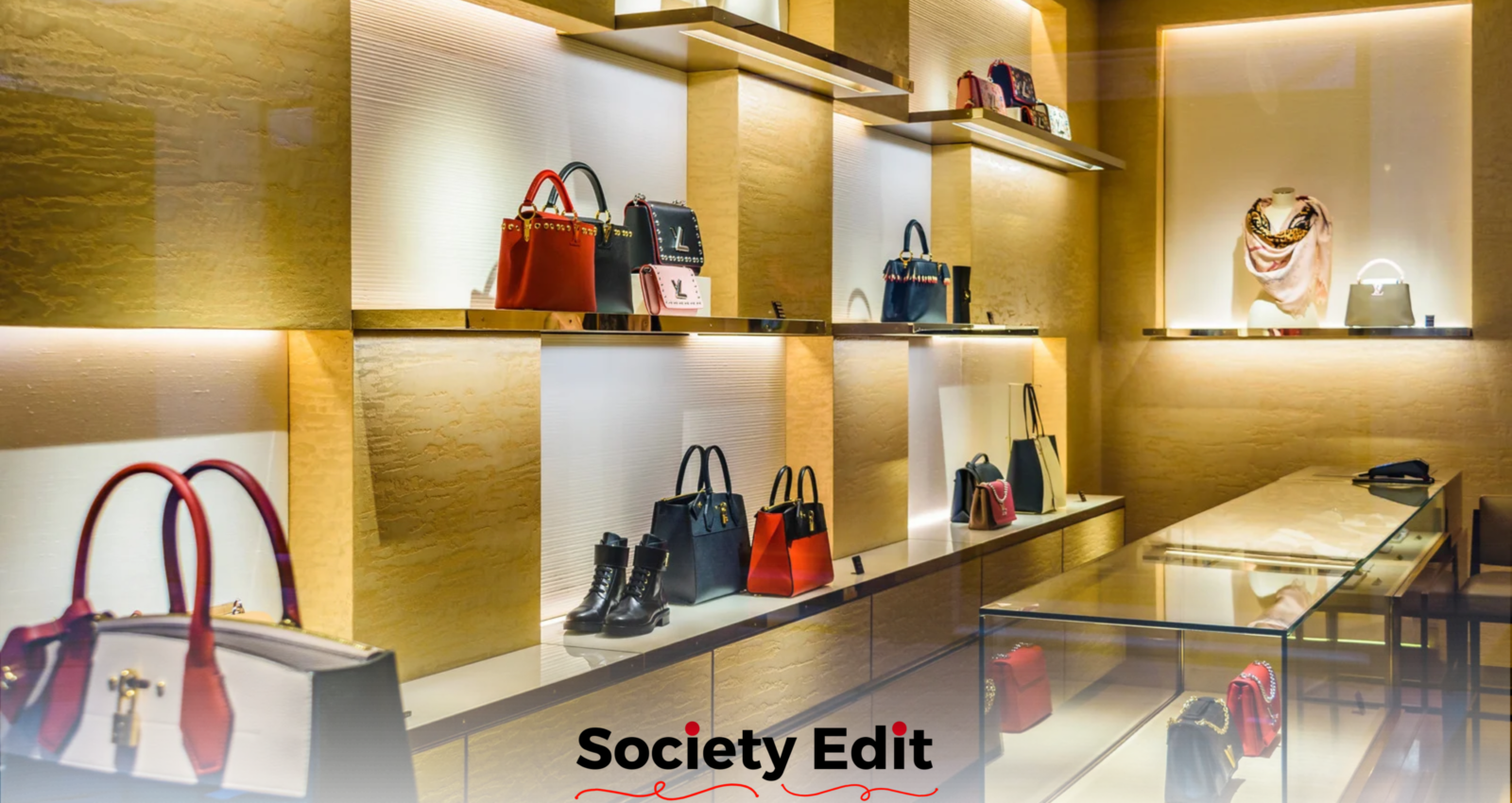
After years of handling, comparing and collecting luxury handbags, I have learned that a bag’s real value is rarely explained by the logo alone.
Two bags may look almost identical in photographs, yet one can feel completely different once it is in your hands. The leather density, stitching tension, edge painting, hardware weight, lining, symmetry and even the way the bag holds its shape can tell you a great deal about how it was made.
That is part of what makes luxury handbags so fascinating to collectors.
A great handbag can function as fashion, craftsmanship, cultural history and, in certain cases, a collectible asset. At the highest end of the market, rare Hermès, Chanel, Louis Vuitton, Dior and Gucci pieces have sold at auction for amounts that would buy a house in some parts of the world.
At the same time, a high retail price does not automatically make every luxury bag a good investment. Some styles depreciate heavily. Others become dated. Certain materials are difficult to maintain, while counterfeit versions have become sophisticated enough that buyers need to know exactly what they are looking at.
For this guide, I selected ten of the most globally recognised luxury houses based on their cultural influence, handbag heritage, resale demand and continued visibility in the luxury market. Resale reports consistently place names such as Gucci, Louis Vuitton, Chanel, Prada, Dior, Hermès, Balenciaga and Fendi among the most searched and traded luxury labels, while Hermès, Chanel and Louis Vuitton remain particularly strong in value retention.
Here are the luxury bag houses I believe every serious collector should understand.
1. Hermès
Country of origin: France
Founded: 1837
Founder: Thierry Hermès
Current creative leadership: Nadège Vanhee-Cybulski for womenswear; Hermès operates through multiple métiers rather than being defined by one handbag designer
Executive leadership: Axel Dumas, Executive Chairman
Approximate company value: Hermès had a market capitalization of about €170.3 billion in August 2026.
Famous bags: Birkin, Kelly, Constance, Picotin, Evelyne
Notable celebrity wearers: Victoria Beckham, Jennifer Lopez, Kim Kardashian, Cardi B and many prominent collectors
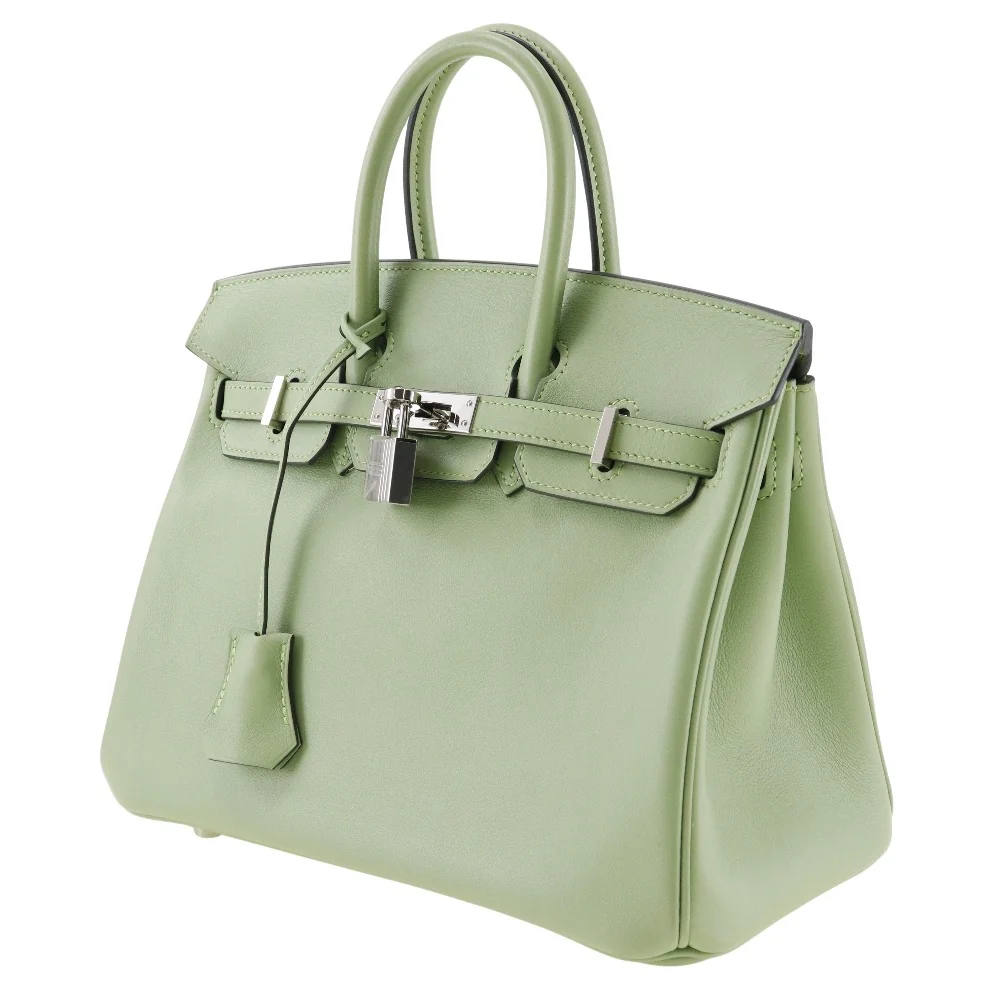
If I had to name one handbag company that sits above the rest of the collectible market, it would still be Hermès.
The difference becomes obvious when you examine an excellent Birkin or Kelly closely. The leather selection, hand-finishing, saddle stitching and structural precision are extremely difficult to reproduce convincingly.
Hermès began as an equestrian harness workshop, and that heritage still influences its obsession with leather and workmanship.
The Birkin was introduced in the 1980s after an encounter between actress Jane Birkin and Hermès executive Jean-Louis Dumas, while the Kelly traces its history much further back and became globally associated with Grace Kelly.
The most expensive Hermès bag
The record has continued to climb.
In June 2026, Christie’s sold an exceptionally rare Birkin 20 Faubourg Rouge Sellier for €635,000, setting a world auction record for the Faubourg category. Fewer than ten examples were reported to exist.
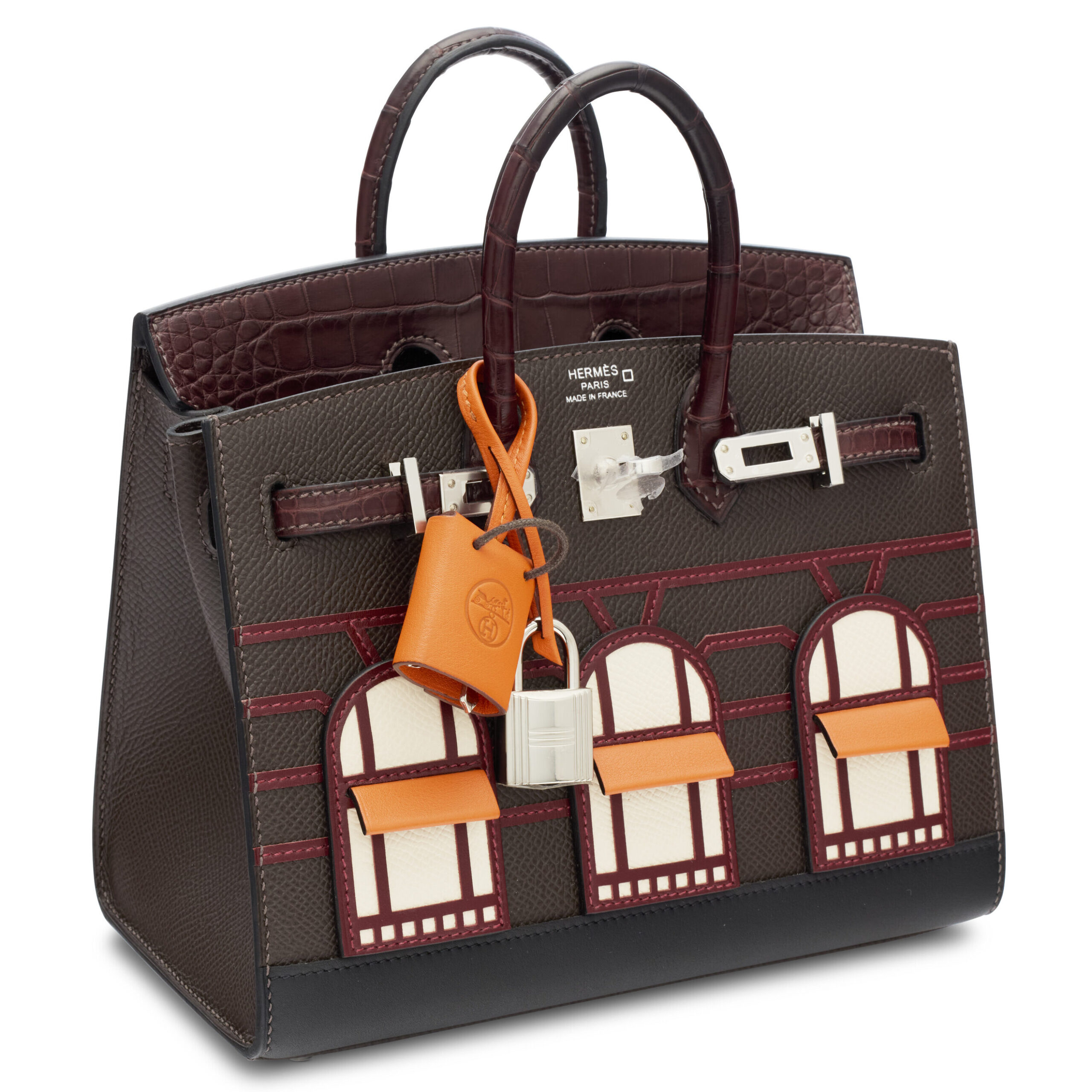
For collectors, however, private transactions can occur above publicly reported auction prices, so no auction figure should be interpreted as an absolute ceiling.
Why Hermès costs so much
Scarcity is deliberately controlled.
Many highly desirable Birkin and Kelly configurations cannot simply be ordered online. Exotic skins, unusual colours, limited editions and special-order combinations add additional layers of scarcity.
More importantly, Hermès has created a market where the customer is purchasing access, provenance and craftsmanship as much as the physical bag.
That strategy has helped make Hermès unusually resilient even during weaker periods in the broader luxury industry.
2. Louis Vuitton
Country of origin: France
Founded: 1854
Founder/designer: Louis Vuitton
Women’s artistic director: Nicolas Ghesquière
Men’s creative director: Pharrell Williams
CEO: Pietro Beccari
Parent company: LVMH
Parent-company market capitalization: approximately €239.05 billion in August 2026.
Famous bags: Speedy, Neverfull, Alma, Capucines, Keepall, Petite Malle
Notable ambassadors: Zendaya, Emma Stone, Ana de Armas and Jennifer Connelly are among prominent Louis Vuitton ambassadors.
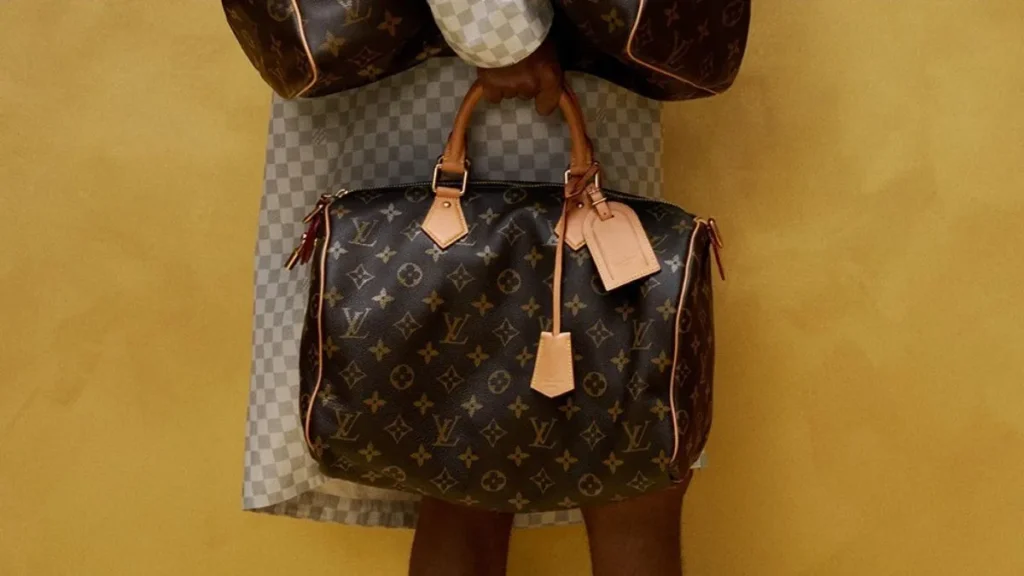
Louis Vuitton is probably the most immediately recognisable luxury luggage and handbag brand in the world.
The LV Monogram has become so familiar that it is both the company’s greatest strength and one of the most copied patterns in the counterfeit market.
Louis Vuitton started as a trunk maker, and I believe that history is still important when evaluating the brand. Its best products are not necessarily the most fashionable seasonal pieces. They are often designs connected to travel and construction.
The most expensive Louis Vuitton handbag sold at auction
In 2024, Christie’s sold a Louis Vuitton x Yayoi Kusama Pumpkin Bag for $151,200, establishing a world auction record for a Louis Vuitton handbag at that time.
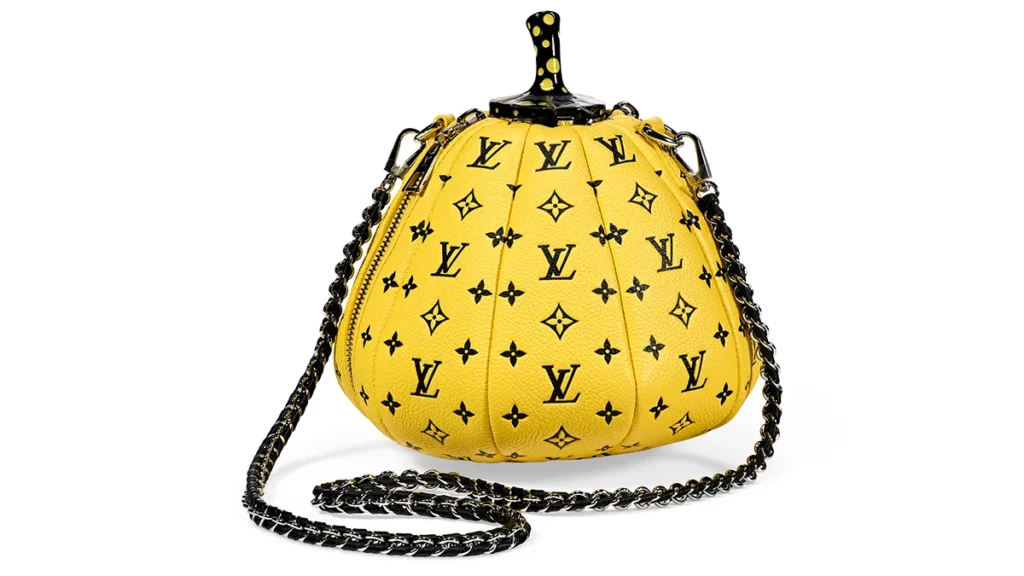
That tells you something important about collectible value: collaborations can become dramatically more valuable than ordinary production pieces.
Why collectors buy Louis Vuitton
Louis Vuitton offers more entry points than Hermès.
A first-time buyer can purchase Monogram canvas, while established collectors can move toward Capucines, exotic materials, limited editions or hard-sided trunks.
Its global recognition also creates relatively strong resale liquidity. You rarely need to explain what a Louis Vuitton Speedy is to a handbag buyer.
3. Chanel
Country of origin: France
Founded: 1910
Founder/designer: Gabrielle “Coco” Chanel
Current fashion artistic director: Matthieu Blazy
Global CEO: Leena Nair
Ownership: Privately held by the Wertheimer family
Company value: No reliable public market capitalization because Chanel remains privately owned
2025 revenue: approximately $19.3 billion.
Famous bags: Classic Flap, 2.55, Boy Bag, Chanel 19, 22
Notable ambassadors: Jennie, Nicole Kidman, Margot Robbie, Penélope Cruz, A$AP Rocky, Lupita Nyong’o and others.
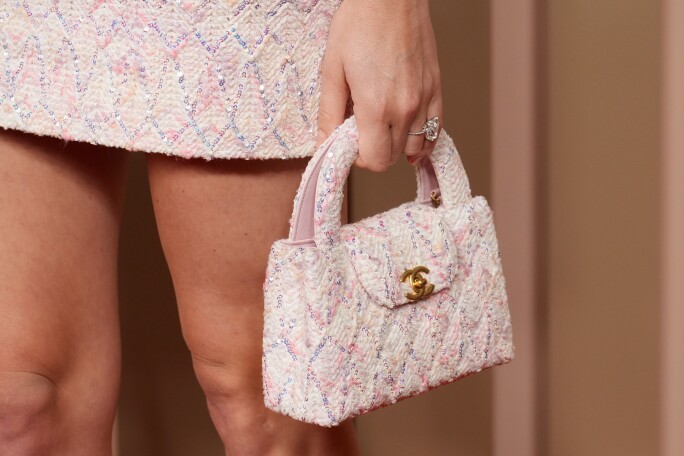
Chanel bags occupy a special place in my collection philosophy.
A black quilted flap with excellent leather and hardware can be one of the most versatile bags someone owns. But Chanel is also a brand where condition matters enormously.
Lambskin scratches. Corners wear. Quilting can flatten. Hardware can tarnish.
That means two identical-looking Chanel bags can have dramatically different resale values.
Matthieu Blazy now oversees Chanel’s fashion activities, including haute couture, ready-to-wear and accessories.
Most expensive Chanel handbag at auction
Christie’s established a new Chanel handbag auction record in December 2025 when a rare 2014 silver-and-black lambskin Shopping Basket Bag sold for $152,400.
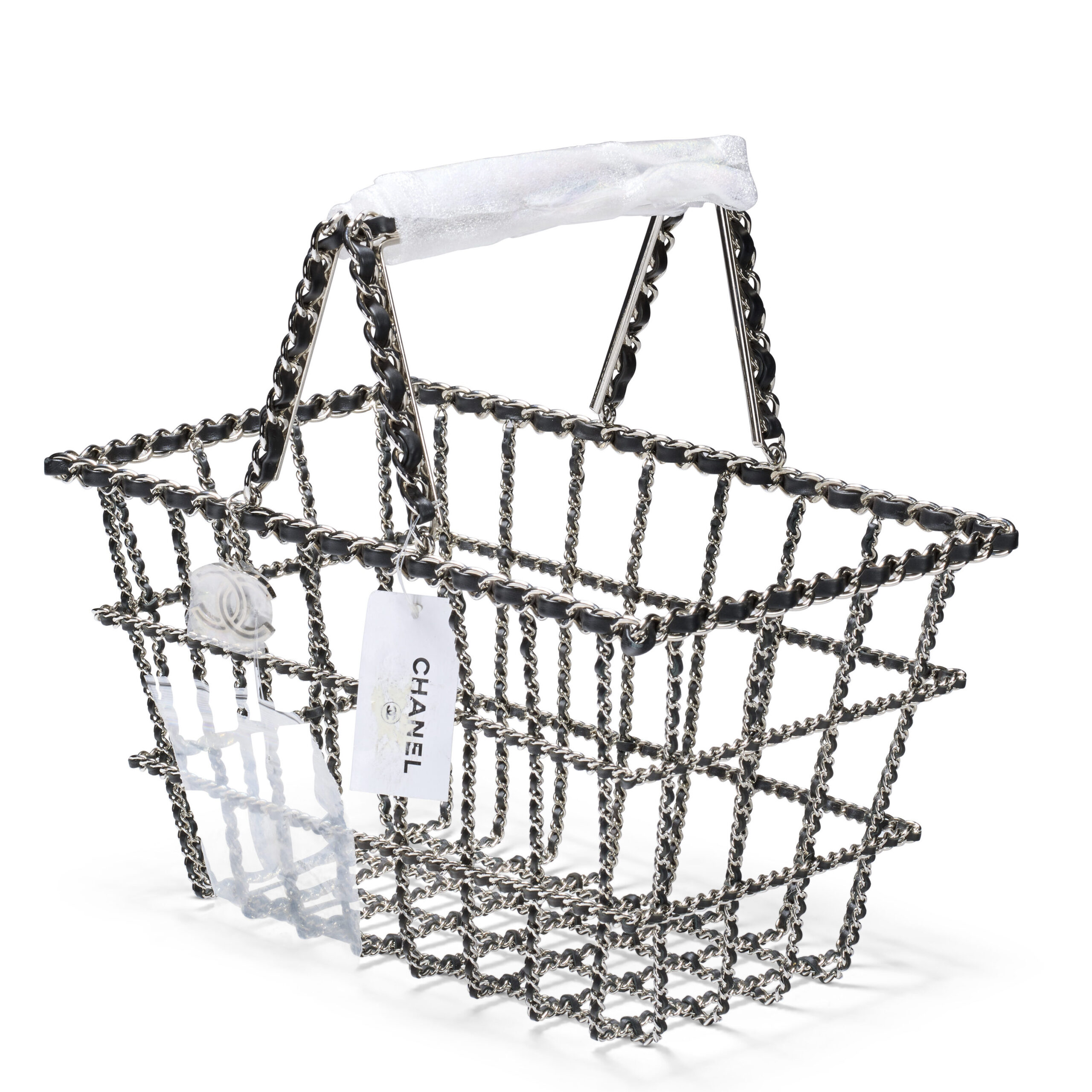
It was not an ordinary Classic Flap. It was a rare runway object from the Karl Lagerfeld period.
That distinction is crucial for collectors: rarity and provenance can overpower conventional assumptions about which model should be the most valuable.
4. Gucci
Country of origin: Italy
Founded: 1921 in Florence
Founder: Guccio Gucci
Current artistic director: Demna
CEO: Francesca Bellettini
Parent company: Kering
Kering market capitalization: approximately €35.81 billion in August 2026.
Famous bags: Bamboo 1947, Jackie, Horsebit 1955, Dionysus, Ophidia
Notable current celebrity associations: Demi Moore and Paul Mescal are among Gucci’s prominent contemporary ambassadors.
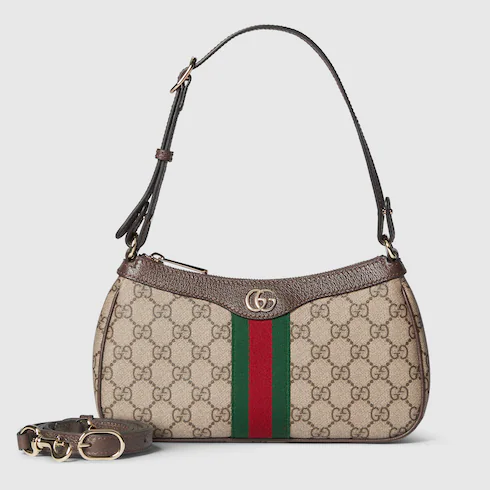
Gucci is one of the most interesting brands to collect because it has experienced several completely different creative identities.
The Tom Ford era, Alessandro Michele period and current Demna chapter all appeal to different collectors.
Gucci’s handbag DNA, however, goes much further back.
The Bamboo bag appeared in 1947, and the Jackie and Horsebit lines have repeatedly been revived without losing their historical identity. Gucci confirms that Demna became artistic director in 2025, while Francesca Bellettini now serves as President and CEO.
Most expensive Gucci bag at auction
A unique Gucci Bamboo bag featuring 18-karat gold and diamonds established a world auction record for a Gucci handbag at Christie’s in 2023. Christie’s described it as the most precious Bamboo bag created.
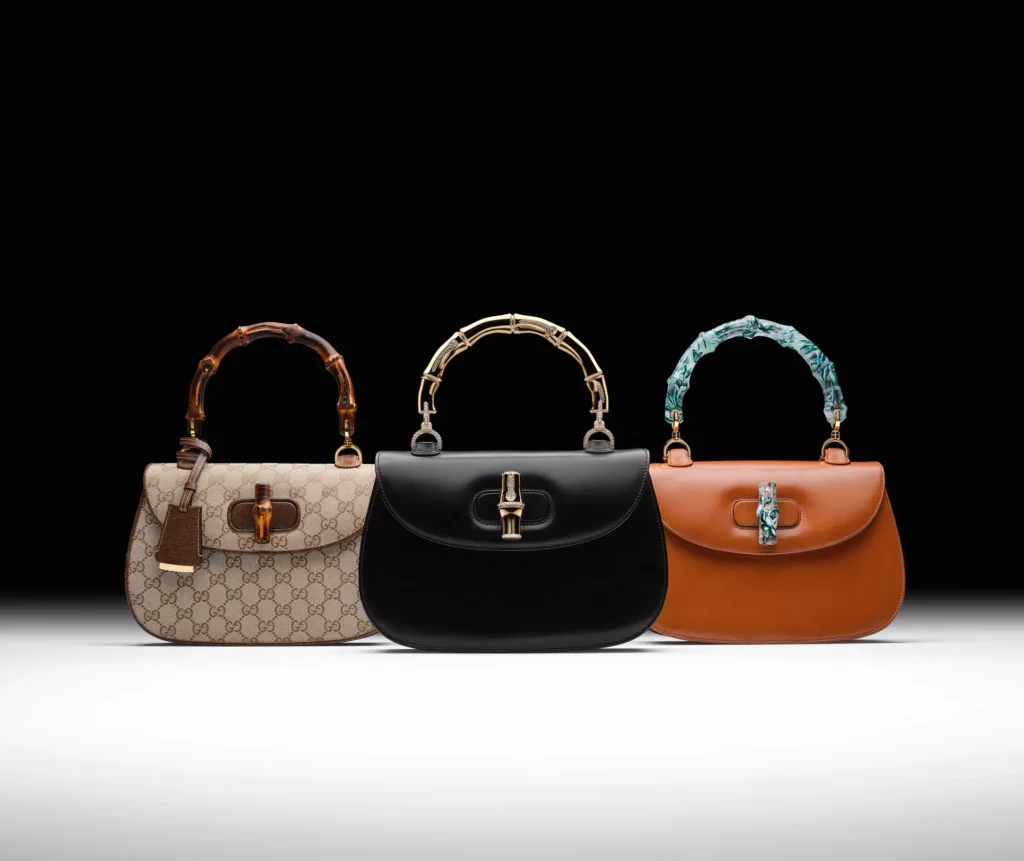
This is another example where jewellery-level materials transform a handbag into something closer to a collectible art object.
5. Christian Dior
Country of origin: France
Founded: 1946
Founder: Christian Dior
Current creative director: Jonathan Anderson
Chairman and CEO: Delphine Arnault
Parent company: LVMH
LVMH market capitalization: approximately €239.05 billion in August 2026.
Famous bags: Lady Dior, Saddle, Book Tote, Dior Toujours, D-Journey
Notable ambassadors: Jennifer Lawrence, Jisoo, Anya Taylor-Joy, Charlize Theron and Robert Pattinson are among major Dior ambassadors.
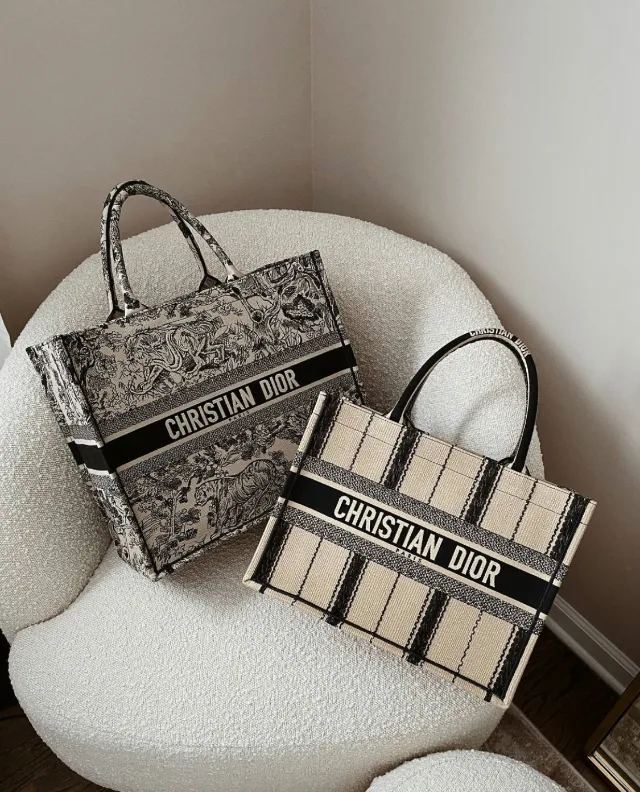
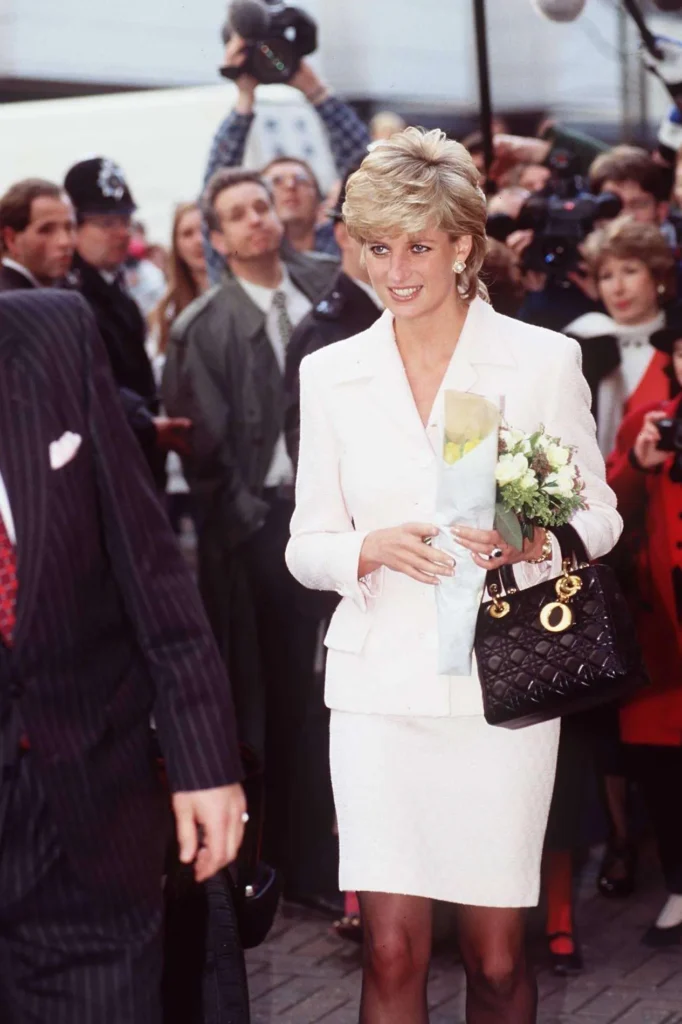
The Lady Dior is one of the bags I believe deserves to be appreciated beyond celebrity association.
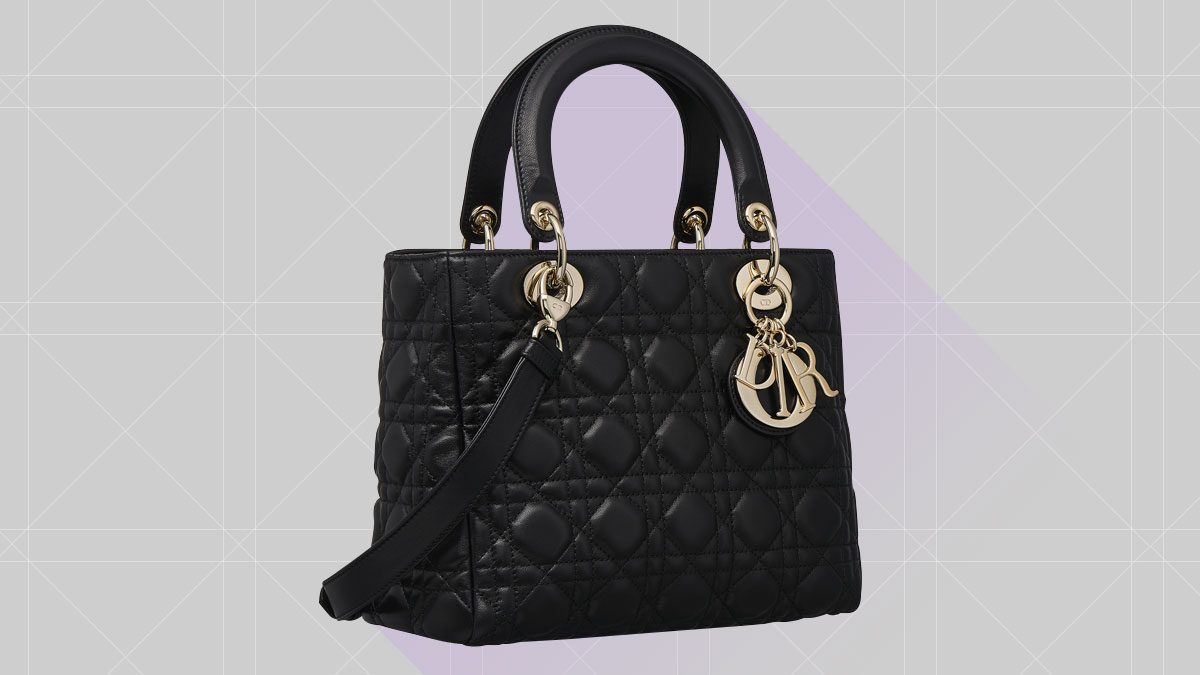
Its cannage quilting, structured body and charms give it a recognisable identity without relying on an oversized logo.
The bag became inseparable from Princess Diana, which helped transform it into a modern icon.
Dior is now under Jonathan Anderson’s creative leadership across haute couture and the principal men’s and women’s fashion lines, while Delphine Arnault remains Chairman and CEO of Christian Dior Couture.
Record Dior handbag prices
The Dior collector market accelerated dramatically in 2026.
At Christie’s Paris, rare John Galliano-era Saddle bags reached world-record levels. A lot containing two special Saddle models sold for €76,200, while another lot reached €50,800.
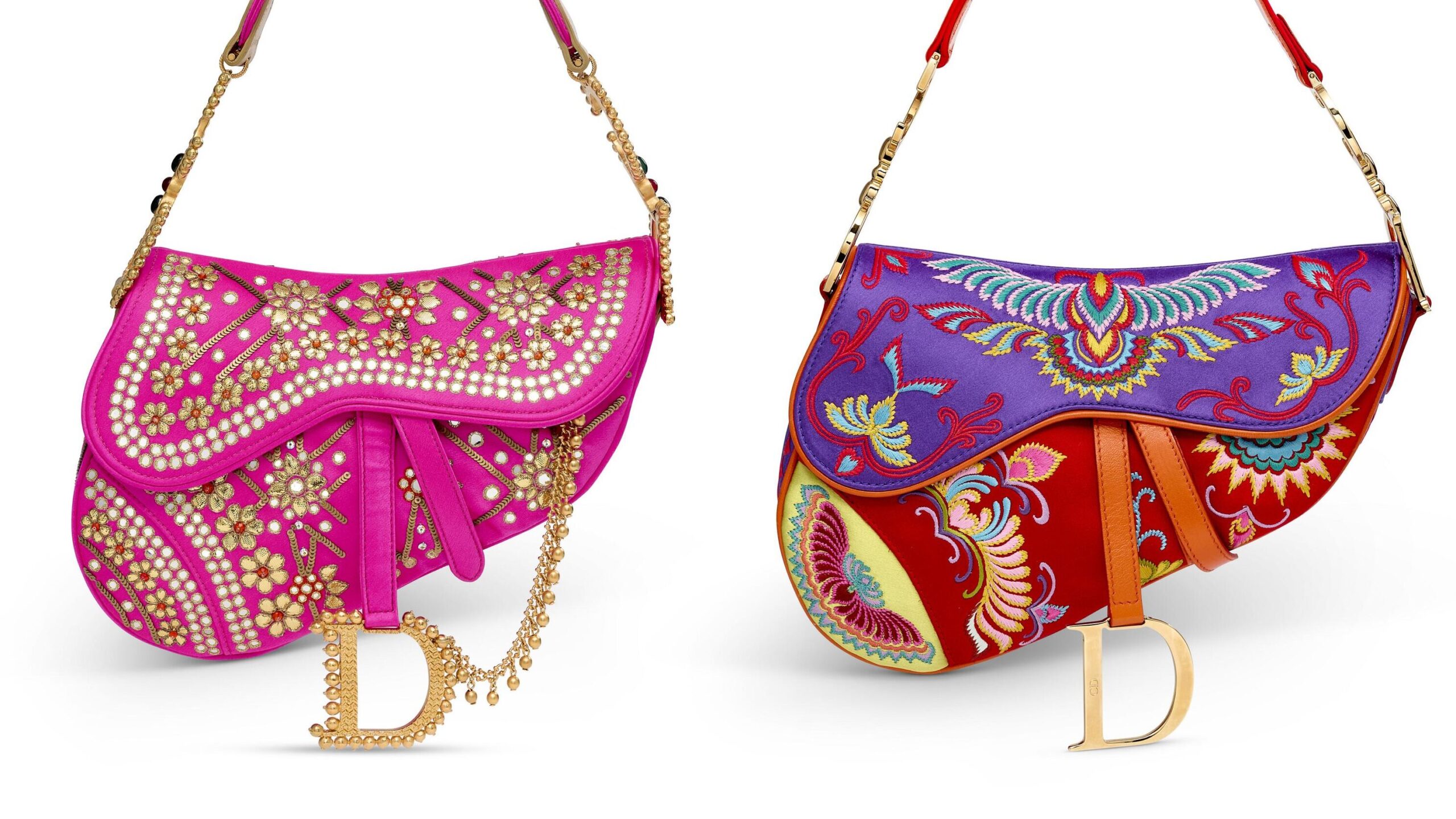
To me, this is one of the most important developments in the handbag market.
Collectors are beginning to treat important designer eras the way fashion collectors treat archival couture.
6. Prada
Country of origin: Italy
Founded: 1913 in Milan
Founders: Mario Prada and Martino Prada
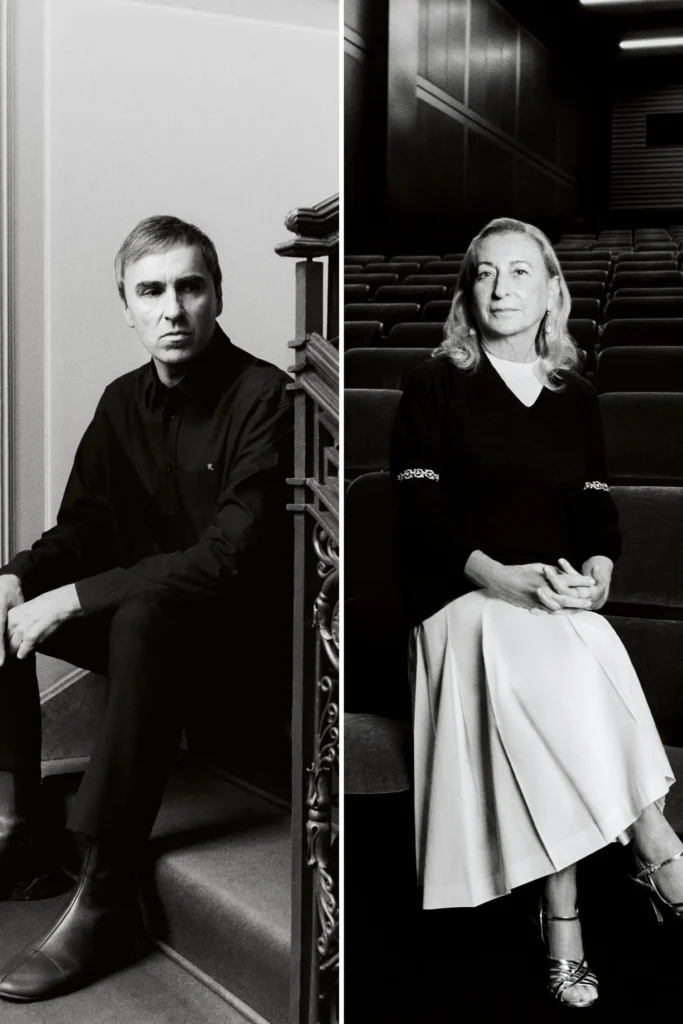
Current co-creative directors: Miuccia Prada and Raf Simons
Group CEO: Andrea Guerra
Market capitalization: approximately $14.84 billion in August 2026.
Famous bags: Galleria, Re-Edition, Cleo, Arqué
Notable celebrity relationships: Prada has worked with figures including Harris Dickinson and numerous actors and musicians through fashion and fragrance campaigns.
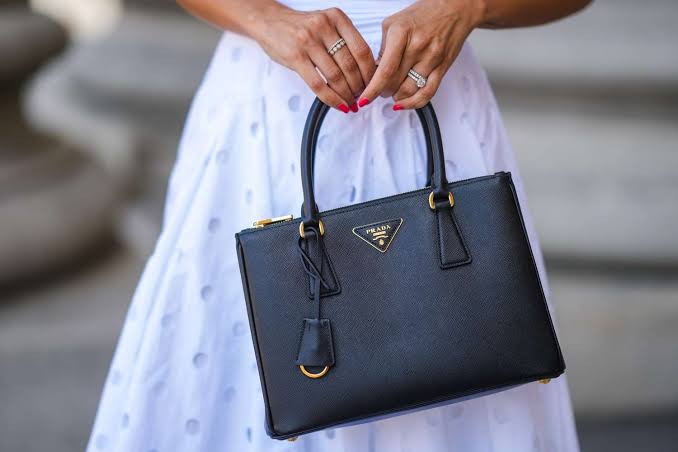
Prada occupies a different position from Hermès or Chanel.
Its strength is intellectual design.
Even when Prada releases something apparently simple—a nylon shoulder bag, for example—it frequently influences the rest of the fashion industry.
Miuccia Prada and Raf Simons continue as co-creative directors, while Andrea Guerra leads the Prada Group as CEO.
Prada’s most expensive bags
Unlike Hermès, Chanel and Louis Vuitton, there is no widely published, authoritative all-time world auction record for a Prada handbag that I would be comfortable presenting as definitive.
The most expensive Prada pieces are typically limited runway bags, exotic-leather Galleria variations and heavily embellished evening designs.
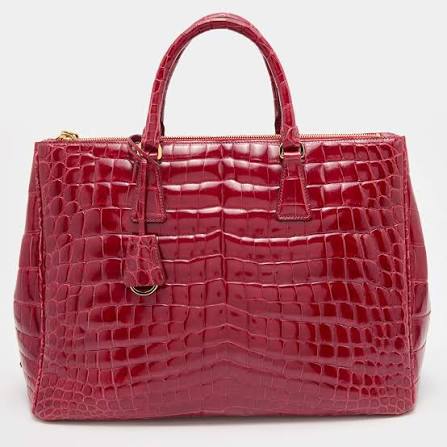
That lack of a spectacular six-figure auction record does not make Prada insignificant. It simply means its collector economy operates differently.
Prada buyers tend to prioritise fashion relevance and design over scarcity mechanics.
7. Fendi
Country of origin: Italy
Founded: 1925 in Rome
Founders: Adele and Edoardo Fendi
Chief Creative Officer: Maria Grazia Chiuri
Chairman and CEO: Ramon Ros
Parent: LVMH
Parent market capitalization: approximately €239.05 billion in August 2026
Famous bags: Baguette, Peekaboo, First, Sunshine Shopper
Notable ambassadors: Fendi campaigns in 2026 have featured figures including Mina of TWICE, Ren Meguro and Bang Chan.
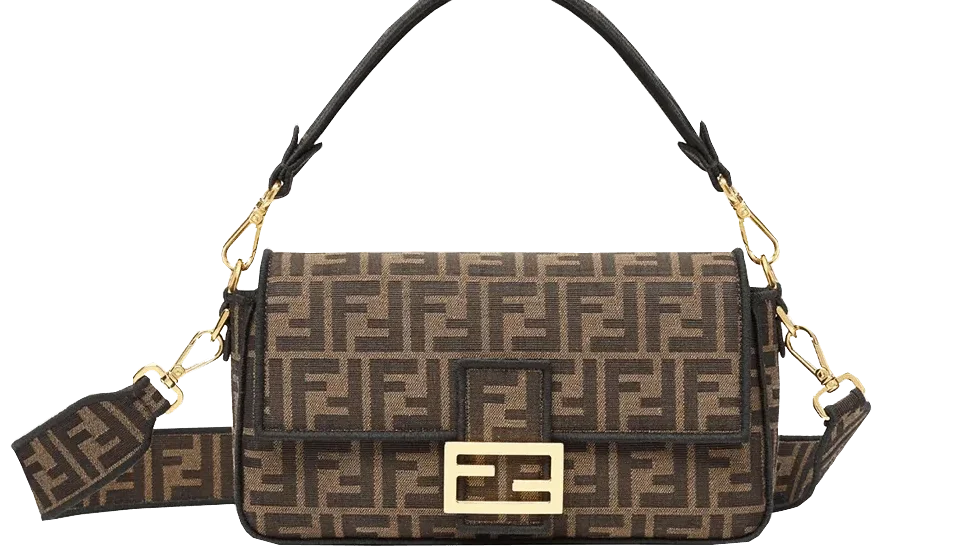
The Fendi Baguette changed handbag culture.
It helped popularise the idea of the “It bag” during the late 1990s and early 2000s and became deeply associated with Sex and the City.
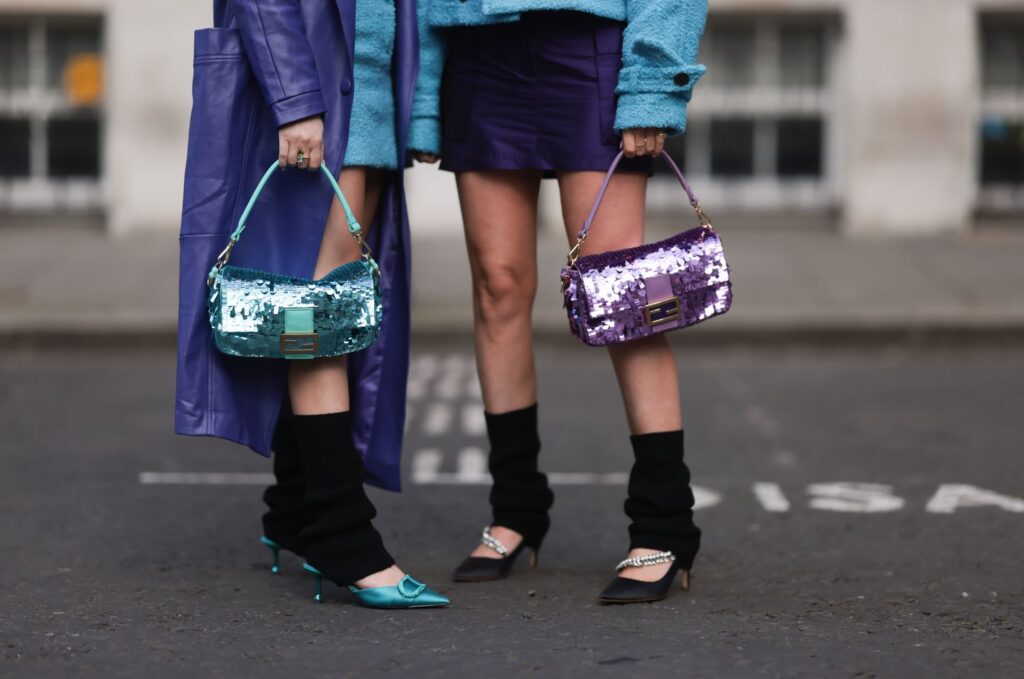
The Baguette is also one of those designs where fabric, beadwork and unusual finishes can be more interesting to collectors than plain leather.
Fendi appointed Ramon Ros CEO in 2025, while Maria Grazia Chiuri returned to the house as Chief Creative Officer and presented her first new Fendi collection in 2026.
Most expensive Fendi Baguette at auction
In June 2026, Christie’s sold an embellished Fendi Baguette previously owned by Elizabeth Taylor for $21,590, setting a world auction record for the Baguette model.
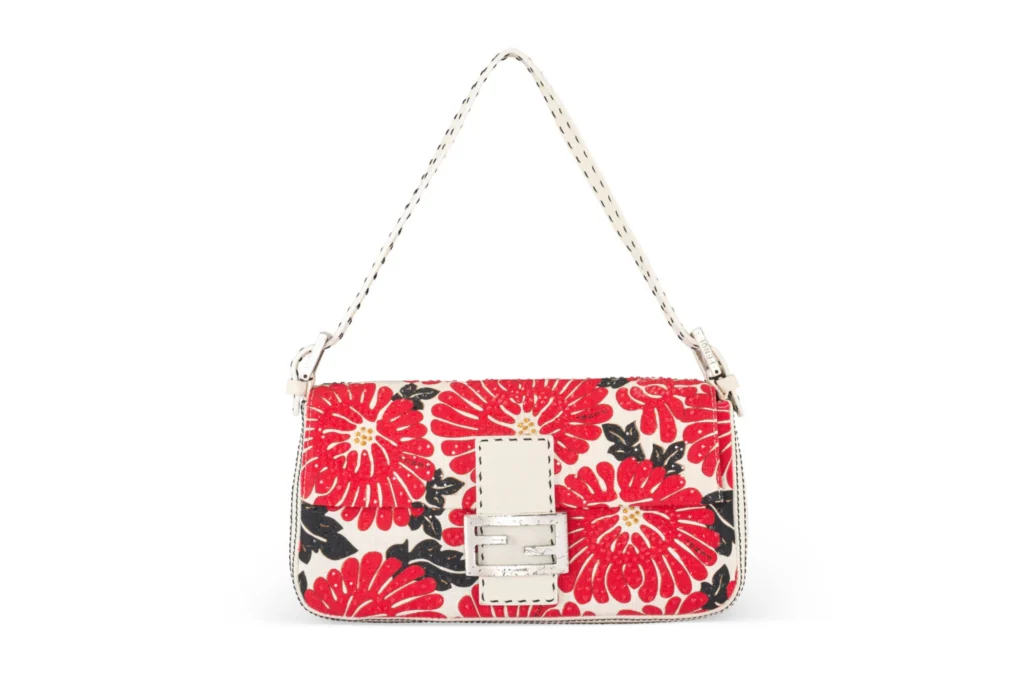
The result shows the power of provenance.
Without Elizabeth Taylor’s ownership history, the same bag would almost certainly have been valued differently.
8. Bottega Veneta
Country of origin: Italy
Founded: 1966 in Vicenza
Current creative director: Louise Trotter
Incoming CEO: Romain Spitzer, effective September 1, 2026
Parent company: Kering
Kering market capitalization: approximately €35.81 billion
Famous bags: Andiamo, Jodie, Knot, Cabat, Hop
Notable ambassadors and friends: Julianne Moore, Jacob Elordi, Shu Qi and others have been associated with the house.
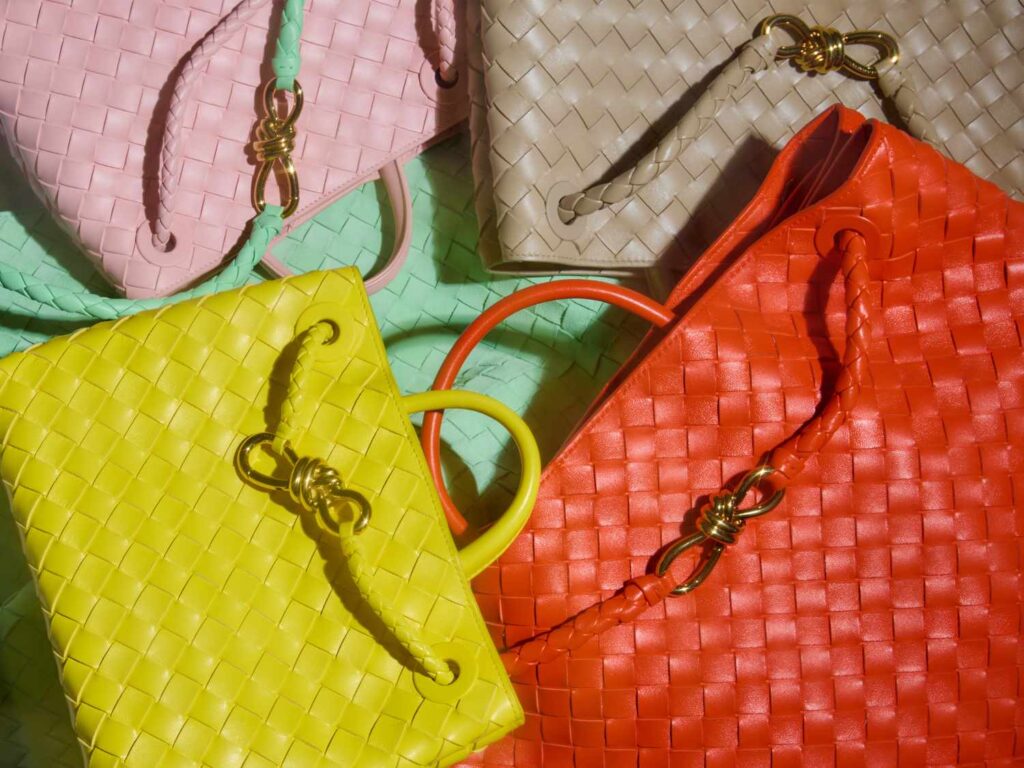
Bottega is one of my favourite examples of luxury without obvious monograms.
The Intrecciato leather weave performs the branding function.
When you know bags, you recognise Bottega immediately even when there is no name printed across the front.
The house was founded in Vicenza in 1966 and formally developed the Intrecciato technique into its central identity during the 1970s. Louise Trotter became creative director in 2025.
As of August 2026, Kering had already announced Romain Spitzer as the incoming CEO, effective September 1.
Most expensive Bottega bags
There is no universally recognised public auction record comparable with the Hermès Faubourg Birkin.
Bottega’s highest-priced retail pieces tend to involve exotic skins, intricate woven construction, artisanal techniques and limited editions.
From a collector’s perspective, Bottega is usually more compelling for craftsmanship than investment speculation.
9. Saint Laurent
Country of origin: France
Founded: 1961
Founders: Yves Saint Laurent and Pierre Bergé
Current creative director: Anthony Vaccarello
CEO: Cédric Charbit
Parent: Kering
Parent market capitalization: approximately €35.81 billion
Famous bags: Le 5 à 7, Loulou, Sac de Jour, Kate, Niki, Icare
Celebrity associations: Saint Laurent maintains one of fashion’s strongest celebrity-driven image strategies, particularly around film, music and red-carpet culture.
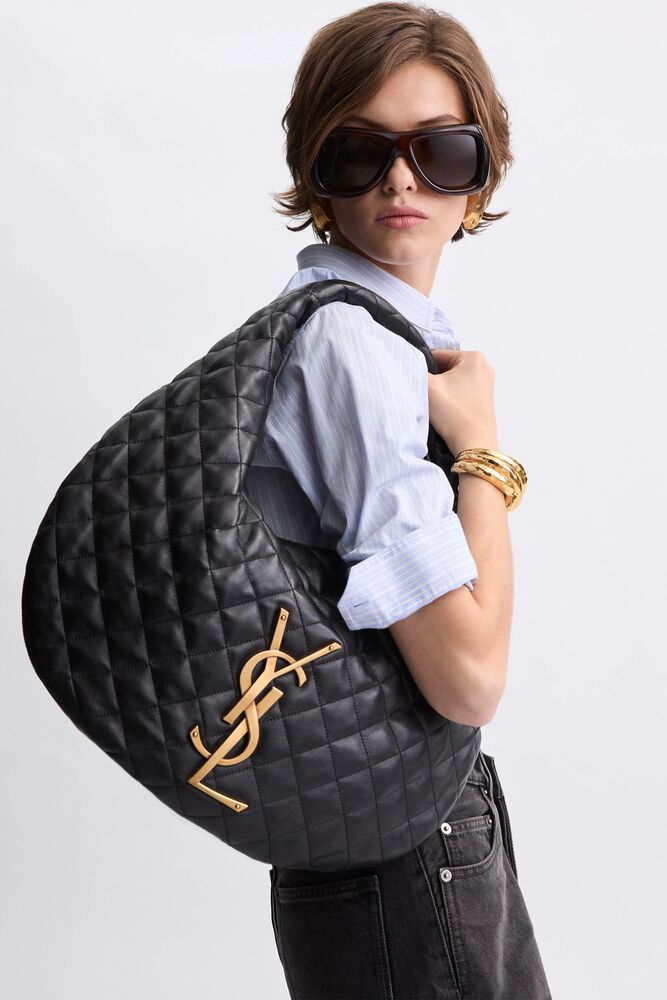
Saint Laurent is one of the brands I recommend when someone wants luxury without the extreme entry price of Hermès or the increasingly expensive Chanel Classic Flap.
The Sac de Jour remains one of its strongest structured designs, while the Le 5 à 7 and Niki appeal to buyers wanting something less formal.
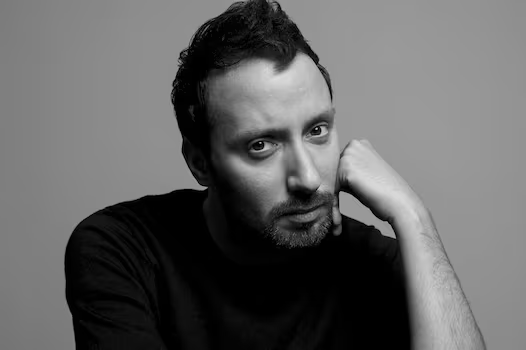
Anthony Vaccarello has led Saint Laurent creatively since 2016, and Cédric Charbit is the current CEO.
Most expensive Saint Laurent bags
Again, there is no widely recognised independent world-record auction figure comparable to Hermès or Chanel.
Saint Laurent’s most expensive conventional handbags tend to be exotic-skin versions, oversized specialty pieces and limited seasonal editions.
For most collectors, Saint Laurent is a fashion purchase rather than a high-value auction play.
That can actually be an advantage if you are buying to use the bag.
10. Balenciaga
Country of origin: Spain, with the couture house historically established in Paris
Founder: Cristóbal Balenciaga
Current creative director: Pierpaolo Piccioli
CEO: Gianfranco Gianangeli
Parent: Kering
Parent market capitalization: approximately €35.81 billion
Famous bags: Le City, Rodeo, Hourglass, Le Cagole
Recent ambassadors/friends: Balenciaga introduced a new ambassador community under Piccioli in 2026.
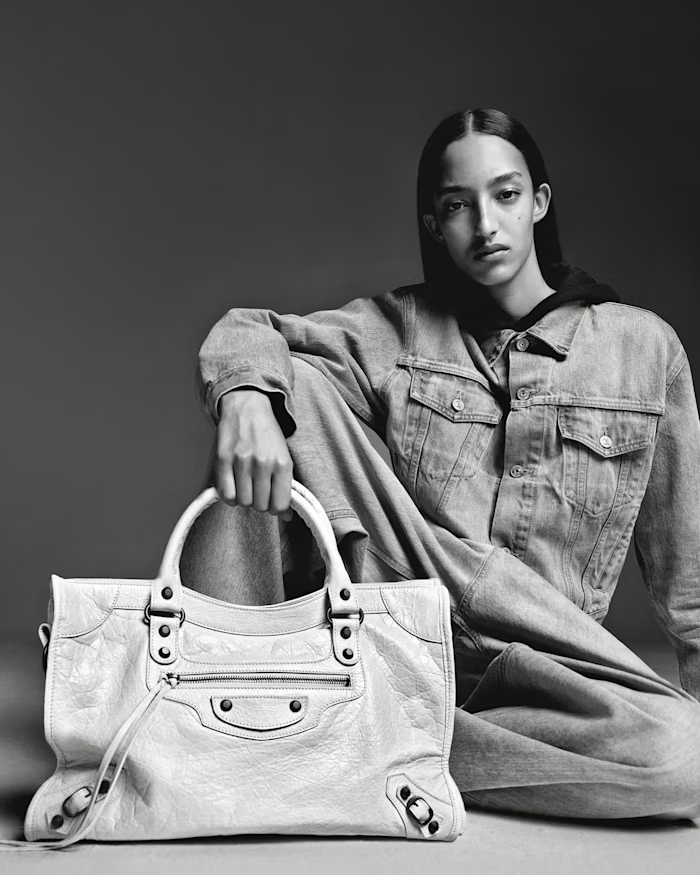
Balenciaga may be last on this particular list, but that does not mean it lacks influence.
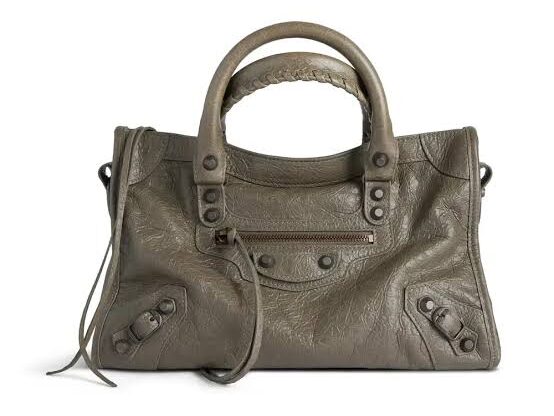
Its City bag, originally associated with the early-2000s fashion crowd, became one of the defining slouchy motorcycle bags of its era.
The house underwent another major creative change when Pierpaolo Piccioli took over, while Gianfranco Gianangeli became CEO in 2025.
Most expensive Balenciaga bags
Balenciaga does not have the type of established handbag auction record seen at Hermès.
The highest-value pieces tend to be runway rarities, exotic versions and historically important archival examples.
The City bag, however, has gained renewed collector interest as early-2000s fashion has returned.
Authentic vs Fake Luxury Bags: How I Examine Them
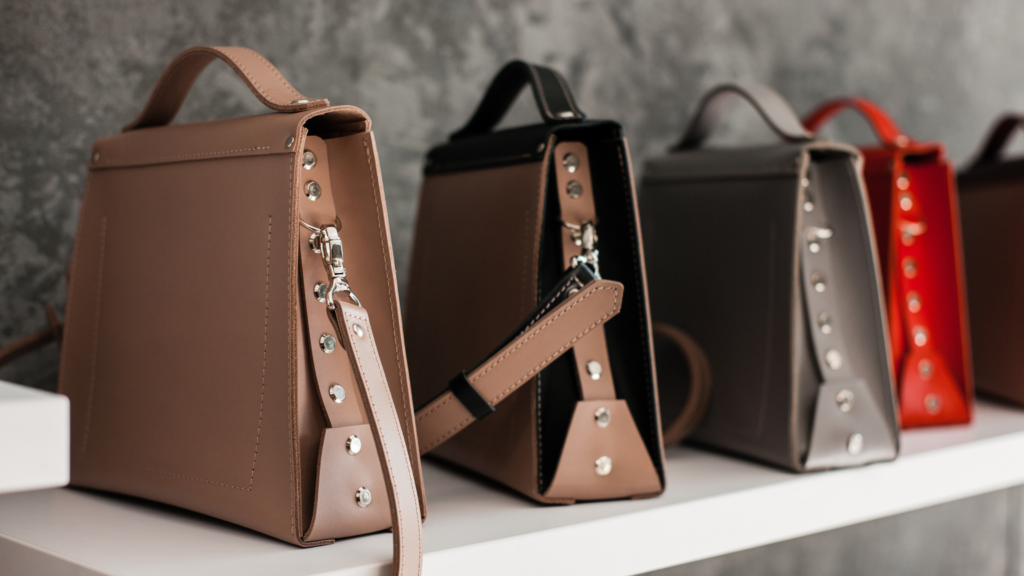
Counterfeit handbags have improved dramatically.
Twenty years ago, many fakes could be identified immediately.
Today, high-grade replicas may use genuine leather, convincing hardware and packaging copied almost perfectly from the original.
That means one detail is never enough.
When I examine a bag, I consider the entire object.
1. Construction
Luxury manufacturers generally work within very strict tolerances.
Look at whether the bag is symmetrical.
Does the flap sit correctly?
Are handles aligned?
Do seams terminate cleanly?
Poor geometry often exposes a counterfeit before the logo does.
2. Stitching
Do not fall for myths such as “every Chanel bag has exactly X stitches.”
Models, years and factories vary.
Instead, examine consistency.
Authentic stitching should generally show controlled tension, appropriate thread weight and deliberate alignment.
3. Leather
Leather is one of the hardest things to judge from photographs.
Authentic luxury leather has particular density, flexibility, grain and smell.
However, because genuine leather is increasingly used in replicas, leather alone is no longer enough to authenticate a bag.
4. Hardware
This is one of my favourite areas to inspect.
High-end hardware usually has satisfying weight, consistent plating, clean engraving and smooth operation.
A zipper that feels rough or hollow hardware can be suspicious.
But again, sophisticated replicas have improved.
5. Stamps and typography
Counterfeiters often struggle with fonts.
Look at spacing, letter proportions, depth and position.
A logo may say exactly the right thing while still looking subtly wrong.
6. Serial numbers, date codes and microchips
These are useful—but never use them as your only test.
Counterfeiters copy serial numbers too.
Some houses have also moved away from older authentication systems. Louis Vuitton, for example, transitioned away from the traditional visible date-code system in many products.
7. Provenance
Receipts, packaging and authenticity cards are helpful but not conclusive.
Everything can be forged.
When purchasing an expensive pre-owned bag, I prefer established resale companies or independent authentication specialists who provide financial guarantees.
Why Are Luxury Bags So Expensive?
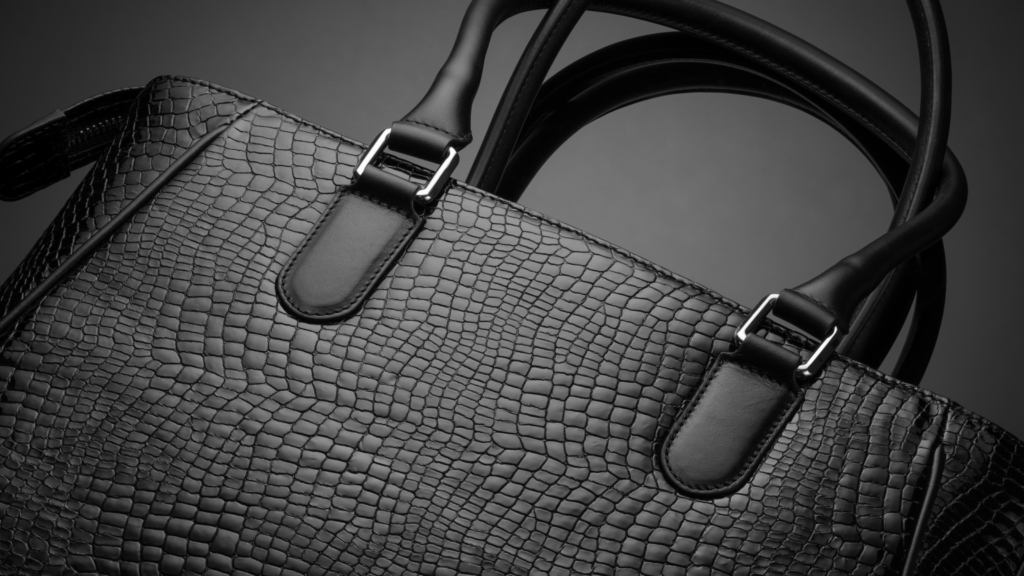
People often assume the answer is simply “because of the brand.”
Branding is a major component, but it is not the entire explanation.
Craftsmanship
Some bags involve substantial handwork.
Hermès saddle stitching is fundamentally different from mass-production stitching.
Embroidered Dior or Fendi pieces can require extraordinary labour.
Bottega’s woven leather construction is materially more complicated than producing a basic flat leather tote.
Materials
Premium calfskin, lambskin, goatskin and exotic skins are expensive because strict selection means large amounts of raw material may be rejected.
Hardware can involve palladium, gold plating, enamel, precious stones or actual precious metals.
Low production volume
Scarcity increases production cost.
A factory producing hundreds of thousands of identical bags can achieve efficiencies that an artisan workshop producing small numbers cannot.
Design and development
Consumers are not simply paying for raw materials.
Fashion houses employ designers, pattern makers, leather specialists, embroiderers, engineers, photographers, architects, marketing teams and retail employees.
All of those costs are reflected somewhere in the final price.
Retail experience
A luxury boutique on Avenue Montaigne, Bond Street or Fifth Avenue costs enormous amounts to operate.
The customer ultimately helps pay for that environment.
Marketing and celebrity influence
Ambassador contracts are a major component of modern luxury.
Louis Vuitton’s Zendaya campaign or Dior’s celebrity partnerships create cultural relevance far beyond the actual cost of manufacturing a handbag.
Prestige pricing
And yes—part of the price exists because consumers are willing to pay it.
Luxury is not priced through cost-plus economics alone.
If a Chanel bag costs $1,000 to manufacture, that does not mean the correct retail price must be $1,500.
The product is priced according to scarcity, brand equity, market positioning and perceived desirability.
Pros of Buying Luxury Handbags
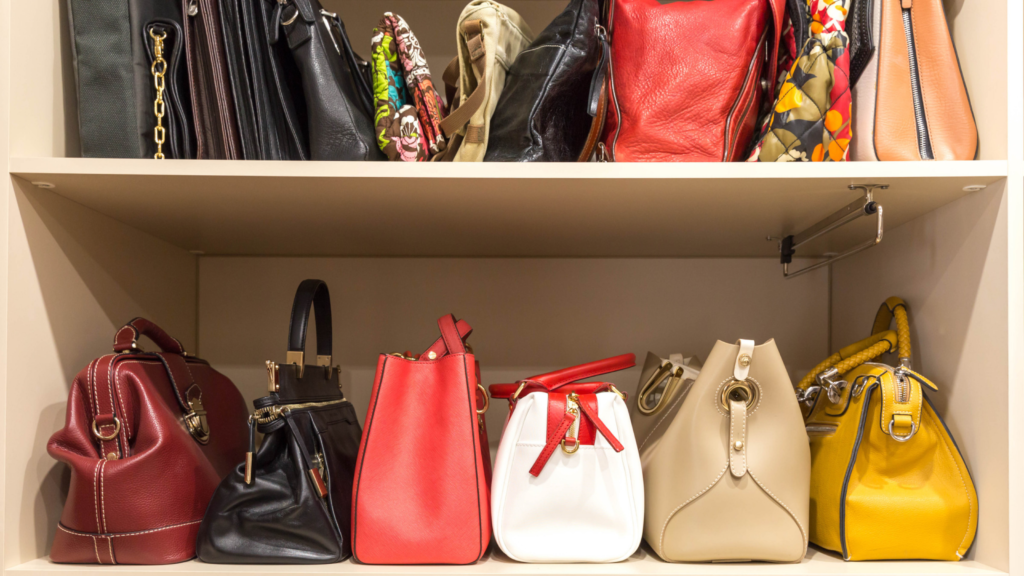
Excellent craftsmanship
At their best, luxury bags can last decades.
I have examined vintage bags that still feel better constructed than many new mass-market products.
Timeless design
A Kelly, Classic Flap, Lady Dior, Speedy or Jackie can survive fashion cycles remarkably well.
Resale value
Certain brands maintain significant value.
Resale analysis has historically placed Hermès, Chanel and Louis Vuitton among the stronger performers, though values fluctuate by model and market.
Repair and after-sales service
Major houses often provide repair services unavailable from cheaper fashion labels.
Collecting enjoyment
This is difficult to quantify.
For a collector, learning the history behind a particular year, designer, leather or collection can be as enjoyable as wearing the bag.
Cons of Luxury Bags
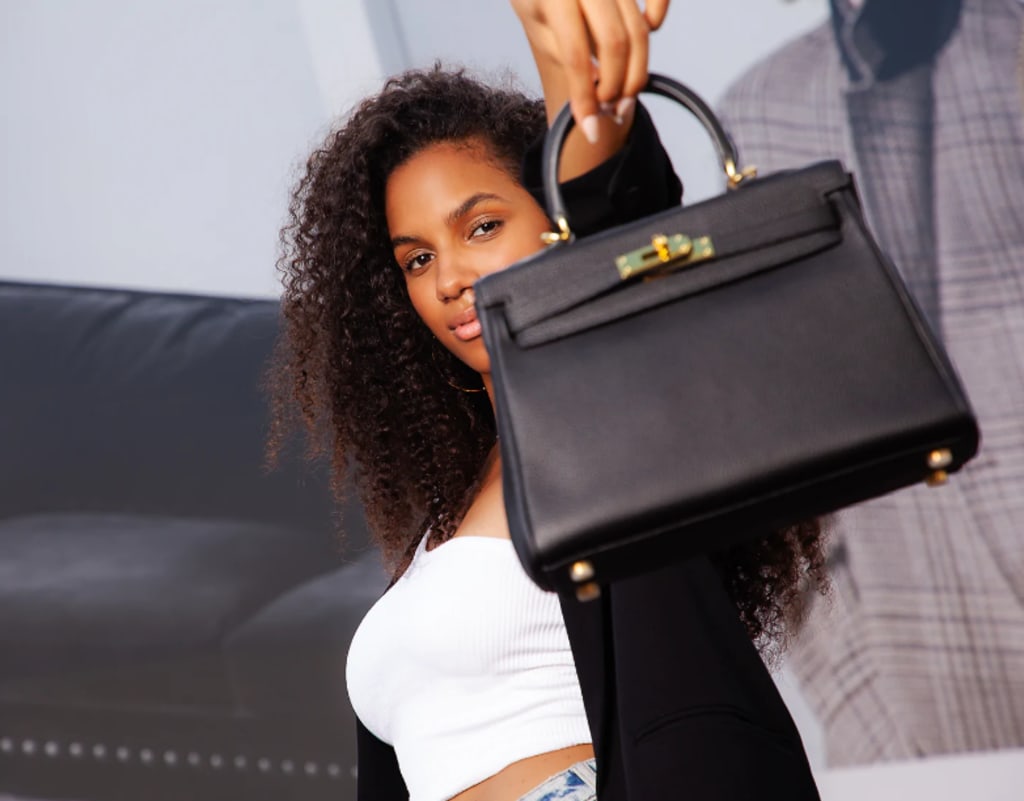
The prices have become extreme
Luxury handbag inflation has dramatically exceeded normal inflation in some categories.
A buyer entering Chanel or Hermès today faces a completely different market than a collector did 15 years ago.
A luxury bag is not automatically an investment
This is the mistake I see most often.
Many bags lose 30%, 40% or even 60% of retail value soon after purchase.
Only certain brands, models and configurations demonstrate consistent premium resale demand.
Maintenance can be stressful
Light-coloured leather stains.
Lambskin scratches.
Exotic leather requires specialised care.
Patent leather can transfer colour.
Hardware gets scratched.
Owning an expensive bag sometimes makes people afraid to use it.
Counterfeit risk
Buying pre-owned without sufficient knowledge can be dangerous financially.
The better the counterfeit industry becomes, the more authentication matters.
Fashion risk
A bag that dominates Instagram this year may feel dated in three years.
Buying only because something is trending is rarely a good collecting strategy.
Which Luxury Bags Hold Their Value Best?
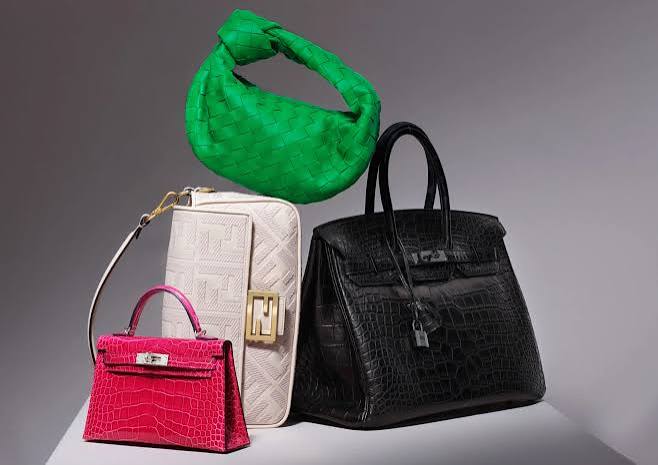
If resale matters to me, I focus on several factors.
Brand strength comes first.
Hermès remains the strongest overall.
Chanel remains extremely important.
Louis Vuitton has excellent liquidity, particularly for iconic designs and collaborations.
Certain Dior and Gucci archival pieces are showing increasing collector interest.
Then I consider model longevity.
A Birkin is not a seasonal trend.
Neither is a Kelly.
The Chanel 2.55 has decades of history.
The Lady Dior has a recognised identity.
The Gucci Jackie continuously returns.
Those are safer collector concepts than a bag that appeared for one runway season.
Finally, I consider condition, colour and material.
Black and neutral colours generally reach wider audiences.
Rare colours can command premiums, but only if there is collector demand.
Exotic skins can be highly valuable, although changing regulations, ethics and consumer preferences can also affect their future market.
My Collector’s Take: Which Brand Should You Buy?
If someone asks me for pure prestige and collecting power, I would choose Hermès.
For a classic wardrobe bag, Chanel remains extremely compelling.
If I want recognition, practicality and strong resale liquidity, Louis Vuitton is difficult to beat.
For French elegance, Dior is one of my favourites.
For Italian heritage, Gucci offers more historical depth than many people realise.
For intellectual fashion, I choose Prada.
For craft without visible logos, Bottega Veneta.
For easy Parisian evening style, Saint Laurent.
For fashion experimentation, Balenciaga.
And if I want a bag with genuine pop-cultural history, a great Fendi Baguette deserves serious consideration.
The most important lesson I have learned from collecting handbags is that price and quality are connected—but they are not the same thing.
A $10,000 bag can still be the wrong purchase.
A vintage bag bought for $1,500 can become the piece you use for twenty years.
The best luxury handbag is therefore not automatically the most expensive one.
It is the bag whose craftsmanship you appreciate, whose design fits your life and whose history makes you want to keep it long after the excitement of purchasing it has disappeared.
That is when a luxury bag stops being merely an expensive accessory and becomes part of a genuine collection.